




How to Get More Fibre: A Practical Guide to High-Fibre Foods




What actually is fibre?
Fibres are the collective name for the parts of plant foods that our digestive enzymes can’t fully break down, so they travel through the gut relatively intact instead of being absorbed. Together, these fibres act a bit like scaffolding and gel in our intestines: they add bulk and softness to stool, which can help with keeping you regular, and they help regulate how quickly we absorb glucose and fats by slowing down digestion. When they reach the large intestine, they provide food for gut microbes and ferment some fibres into short‑chain fatty acids (SCFAs), which provide energy for cells in the colon and are absorbed into the blood to have wider effects on the body. (source).
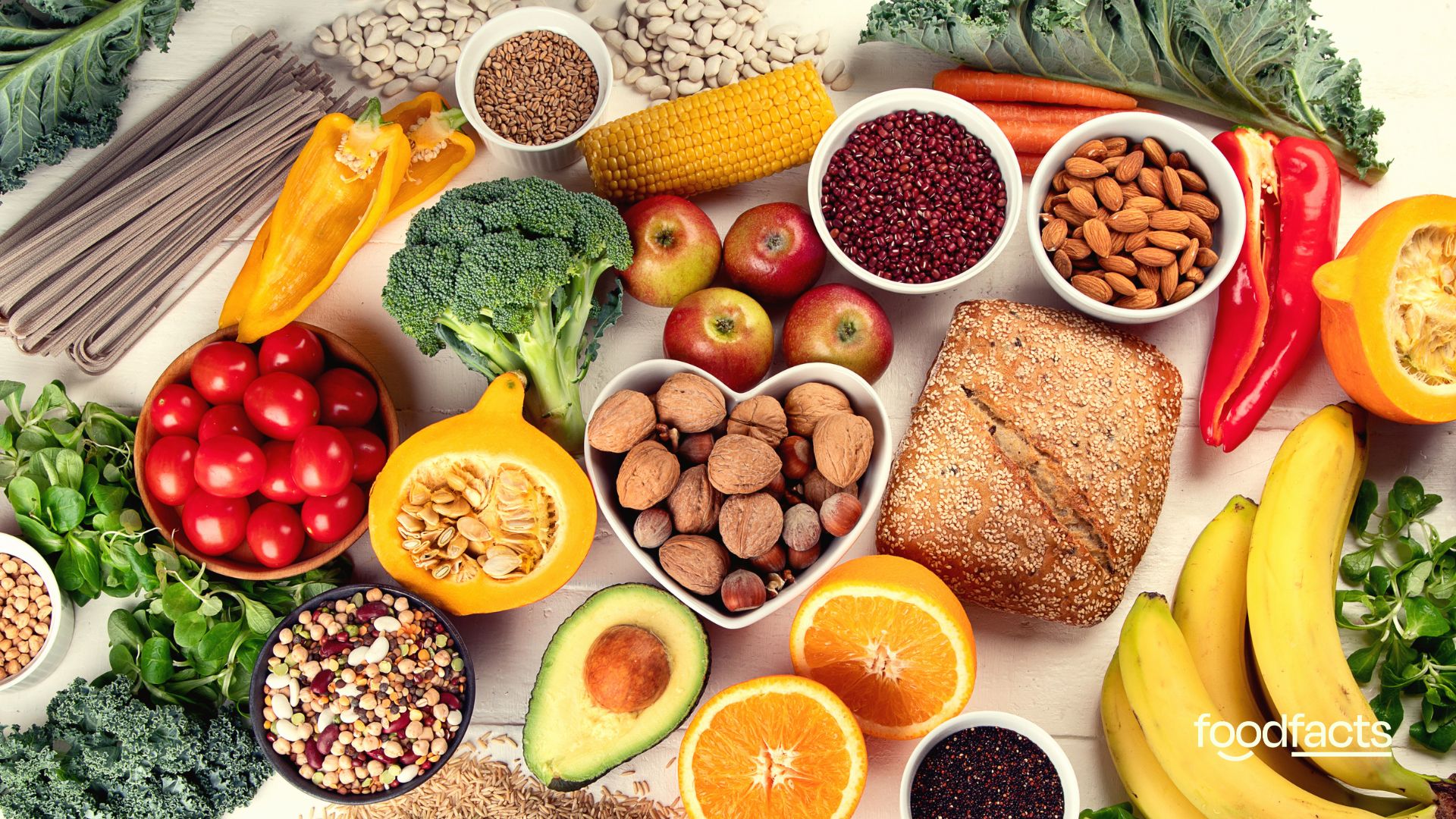
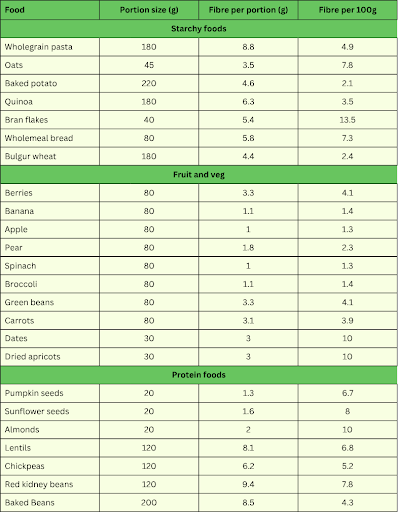
Fibres exist naturally in many plant-based foods, such as grains, legumes, nuts, fruit and vegetables, or they can be extracted from plants and supplemented e.g. psyllium husk and chicory root. Fibres can also be produced synthetically and consumed as supplements, but it is generally preferred for most people to get fibre from whole foods if you can, so you benefit from other components of these foods such as antioxidants, vitamins and minerals, water content, and macronutrients such as proteins, fats and digestible carbohydrates. (source).
What foods are high in fiber?
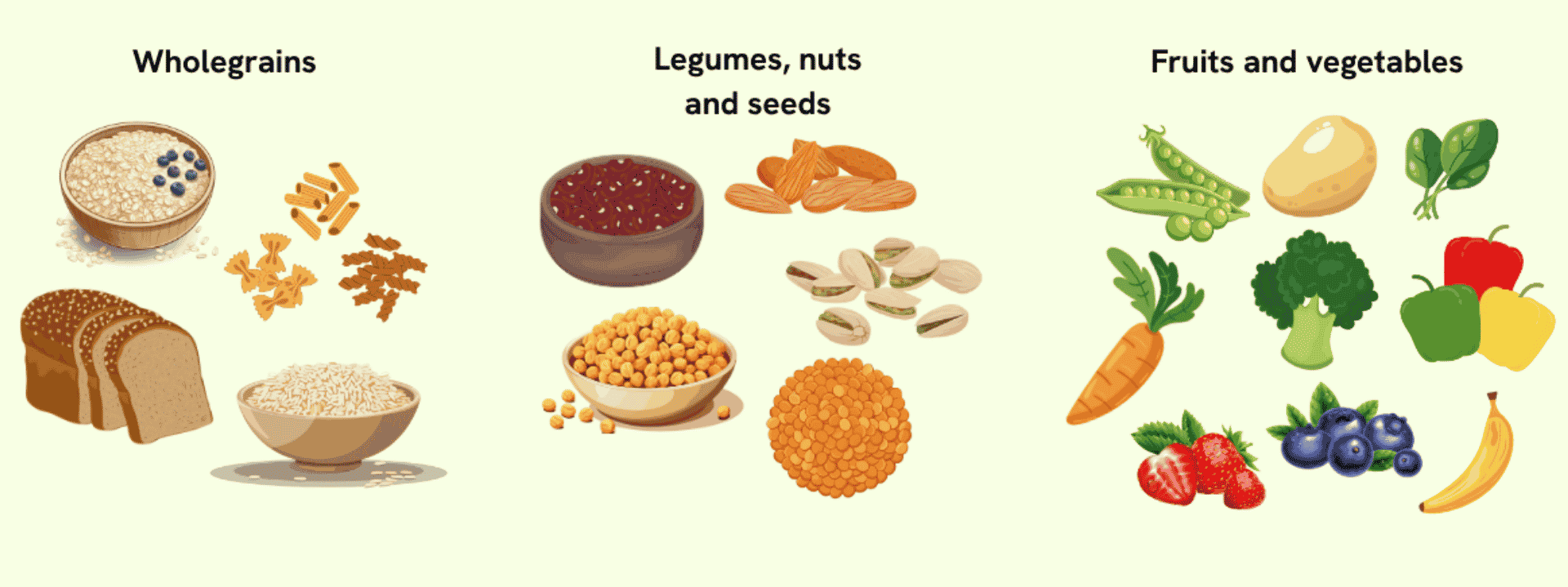
Fibre content of some rich dietary sources
Soluble vs insoluble fibre
Fibre is a collective term for a large group of plant compounds.
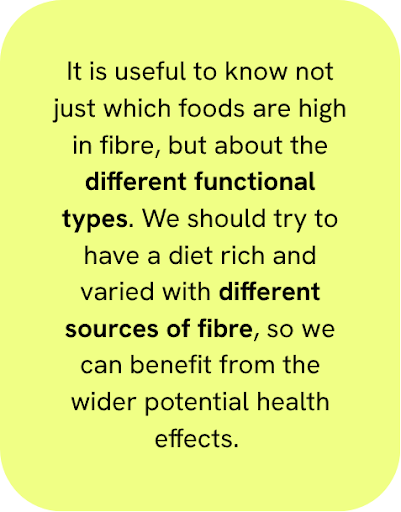
What they have in common is they travel through the gut mostly intact. However, different types of fibre also have varying functional properties, which is useful to know if we want to start increasing our fibre intake. It is ideal to eat a variety of sources of fibre to benefit from these different effects.
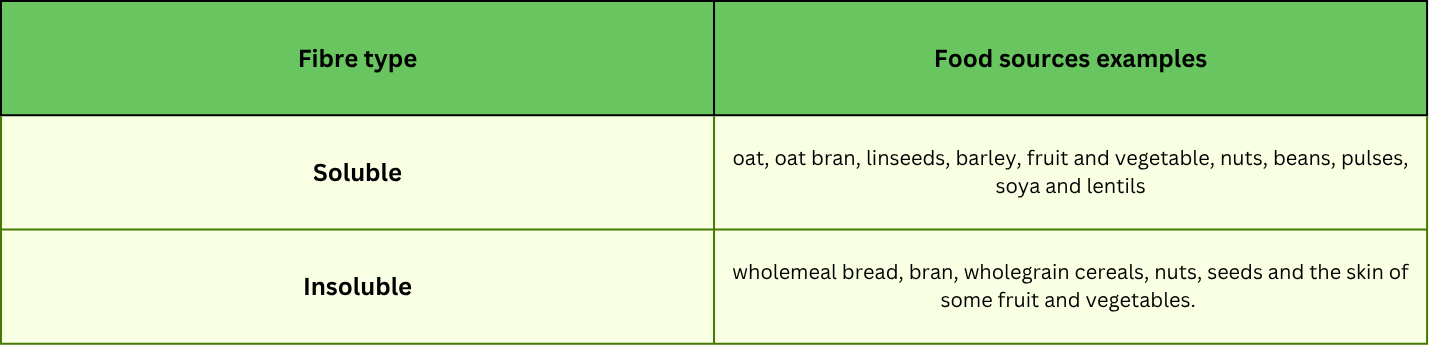
You might have heard of fibre being split into soluble and insoluble fibres. Soluble fibre dissolves in water, and some viscous fibres can form a gel in the small intestine. This can slow down digestion, so your body takes longer to absorb nutrients from the other foods you eat, which may lead to a more gradual rise in blood sugar levels after meals, which may support insulin sensitivity and diabetes management. Soluble fibre can also help lower blood cholesterol partly through binding with fatty acids, and add bulk to the stool to increase regularity. (source).
Insoluble fibre does not dissolve in water or the lumen of your small intestine. They help retain water into the large intestine, increasing stool volume, which helps move along waste through your intestine to keep regular bowel movements. Insoluble fibre can be particularly beneficial for preventing or relieving constipation. (source).
Fermentable vs non-fermentable fibre
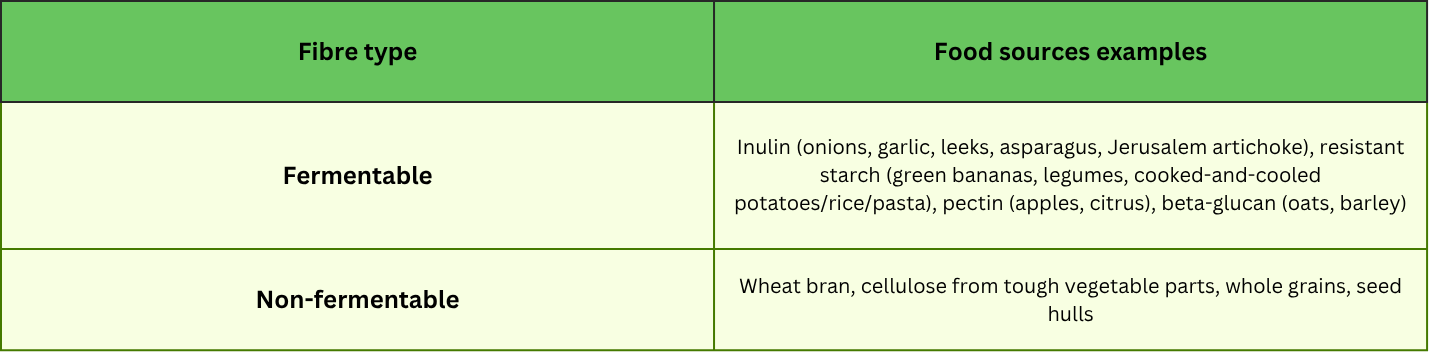
Another way of grouping fibre by their function is those that are fermentable and those that are not. Fermentable fibres can be fermented by some gut microbes to produce SCFAs, which are beneficial for the gut and many systems in the body (source). Fermentable fibres can sometimes produce gases when they are broken down in the gut, which is why some people may experience wind after consuming them, especially when they suddenly increase their intake of fermentable fibres.
Non-fermentable fibre cannot be digested by gut microbes and are excreted. They function more as ‘packing’ for the stool, increasing stool weight and allowing regular bowel movements.
The effect of cooking and food preparation on how fibre works
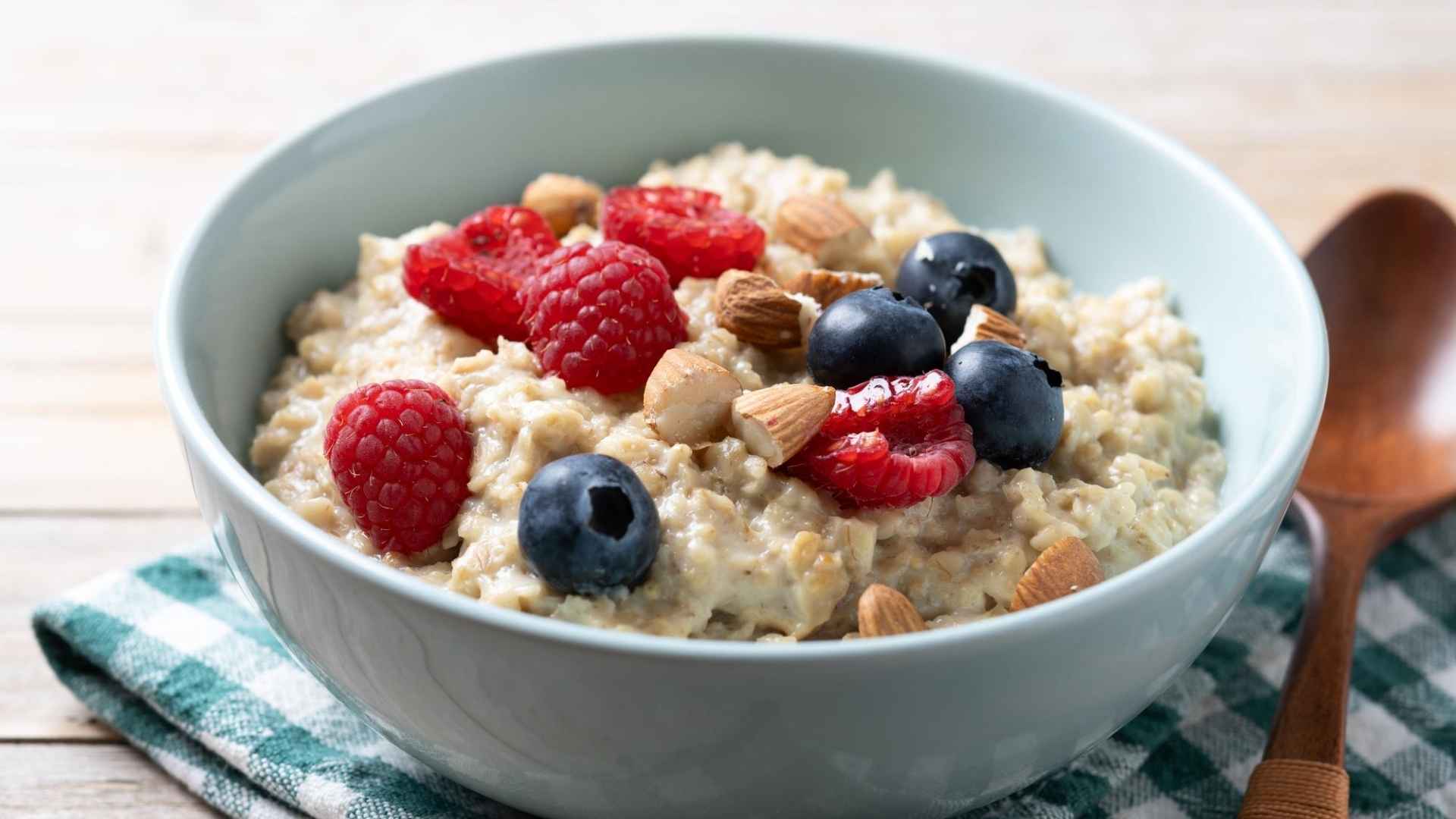
The way fibre works can change due to cooking and some food preparation methods. For example, cooking oats transforms their fibres from mostly dry, insoluble fibres to more fermentable, soluble fibres (source).
Similarly, cooking then cooling starchy foods like potatoes can increase their resistant starch content. In one study with healthy adults, refrigerating boiled potatoes for 24 hours increased their resistant-starch content and lowered the insulin response to the meal compared with freshly boiled potatoes (source).
Chopping, grinding or blending breaks more plant cells open, which can make nutrients and starch easier to access. But the effect on fibre is less predictable: how much reaches the large intestine and is fermented by gut bacteria depends on the food, its fibre type and its structure (source).
How much fibre should I eat?
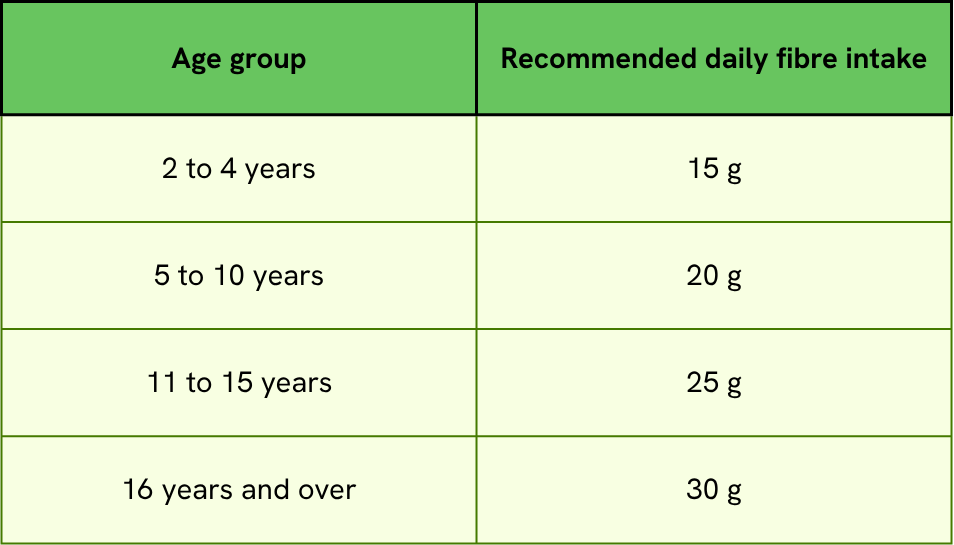
In the UK, official advice is that adults should consume 30 g of fibre each day as part of a healthy, balanced diet, a value set by the Scientific Advisory Committee on Nutrition (SACN) and reflected in NHS and British Dietetic Association’s guidance. This recommendation is intended to support normal bowel function and reflects evidence linking higher fibre intakes with reduced risk of conditions such as heart disease, type 2 diabetes and colorectal cancer (source, source).
The United States has similar recommendations but they give specific guidance for different sexes and by caloric intake, suggesting 14 g of fibre per 1000 calories consumed (source).
In the UK, most adults currently fall short of these recommendations, on average consuming only around 17-20g per day, and so many people in the UK would likely benefit from increasing our fibre intake. (source).
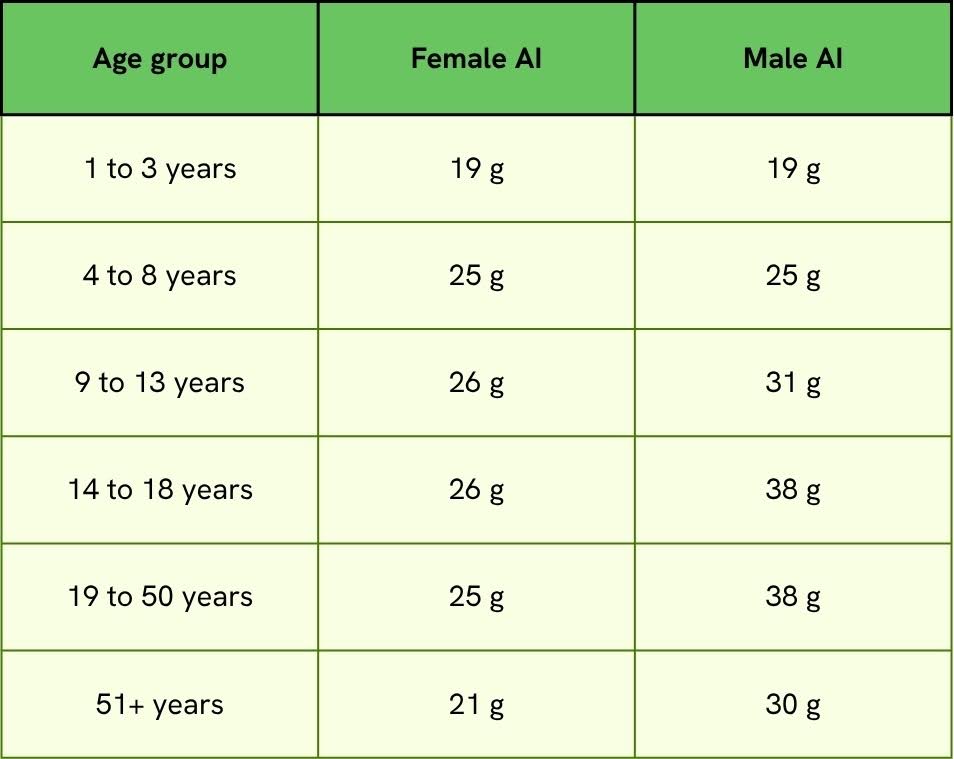
Can you eat too much fibre?
In general, most people don’t get enough fibre and some may find it more challenging to achieve the UK recommendation of around 30 g a day if they aren't familiar with fibre-rich foods.
Increasing fibre is generally best done gradually (source), whilst making sure to consume enough fluids. The Eatwell Guide recommends adults drink 6-8 cups a day, or more depending on body mass, activity levels, weather etc.
Issues related to too much fibre could arise if someone consumed an amount much higher than the recommended intake, or if they suddenly increased their fibre intake by a large amount, especially after a period of low-fibre intake, where their gut hasn’t had time to adapt (source).

Depending on the types of fibre consumed, excess fibre intake could cause loose stools or diarrhoea, flatulence and bloating. In some cases, constipation could be the result, especially if fluid intake is inadequate (source).
Some individuals with gastrointestinal conditions may not be able to tolerate as much fibre or specific types of fibre due to differences in gut physiology, and should consult with a healthcare professional for personalised dietary advice (source).

Simple swaps or additions to up your fibre intake
To increase your fibre intake, choose whole or minimally processed plant foods rather than highly processed foods which are marketed as high fibre. These products often contain added sugars and artificial ingredients. Check back of the pack of the product to see the fibre content rather than relying on the front-of-pack claim!
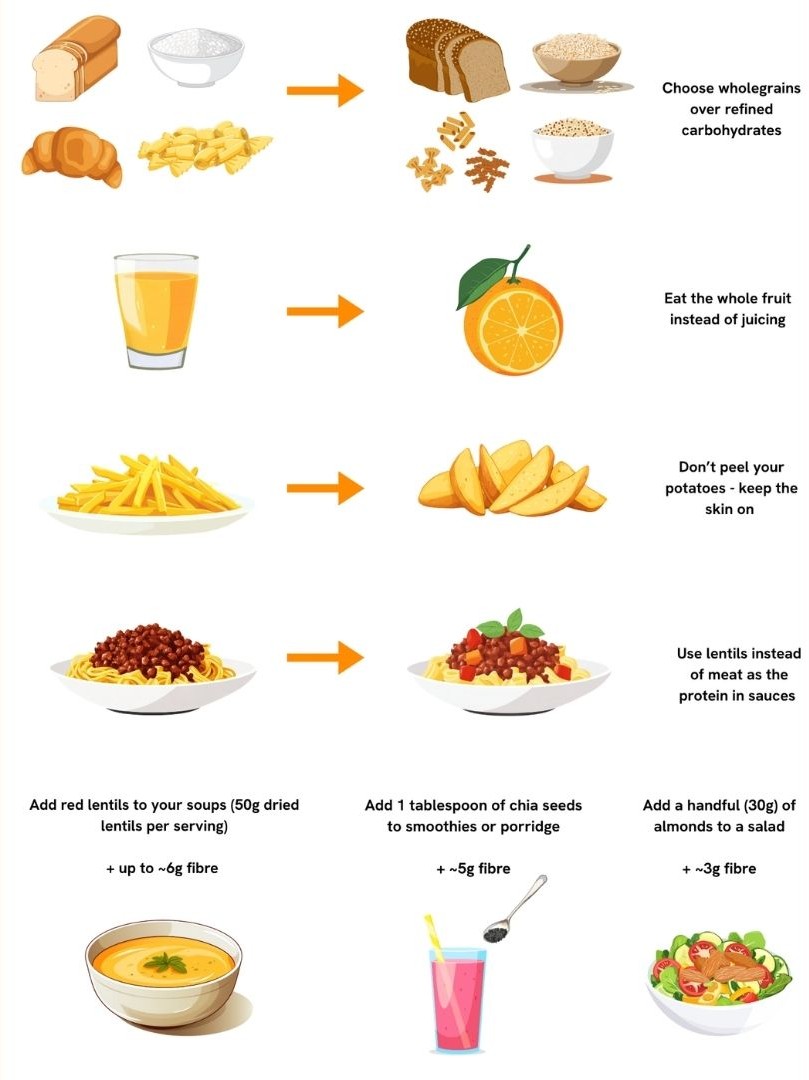
How does increasing fibre fit in with other dietary recommendations?
The UK target of 30 g of fibre a day fits within wider healthy-eating guidance, including the UK’s Eatwell Guide, and the US MyPlate. It encourages many of the same foods: fruit and vegetables, wholegrain or higher-fibre starchy foods, beans, pulses, nuts and seeds.
These targets overlap but are not interchangeable. For example, “5 a day” is a practical minimum for fruit and vegetable intake, while 30 g is a target for total fibre. Fruit and vegetables provide fibre, but wholegrains and pulses are often needed to reach the daily recommendation.
The notion of consuming “30 plants a week” has recently made the news due to its potential benefits for gut microbiome diversity (source). It is not an official dietary recommendation, but it can be a useful prompt to vary plant foods. Consuming a variety of plant foods provides different types of fibre, which may be beneficial, but adequate total daily fibre intake remains the main target.
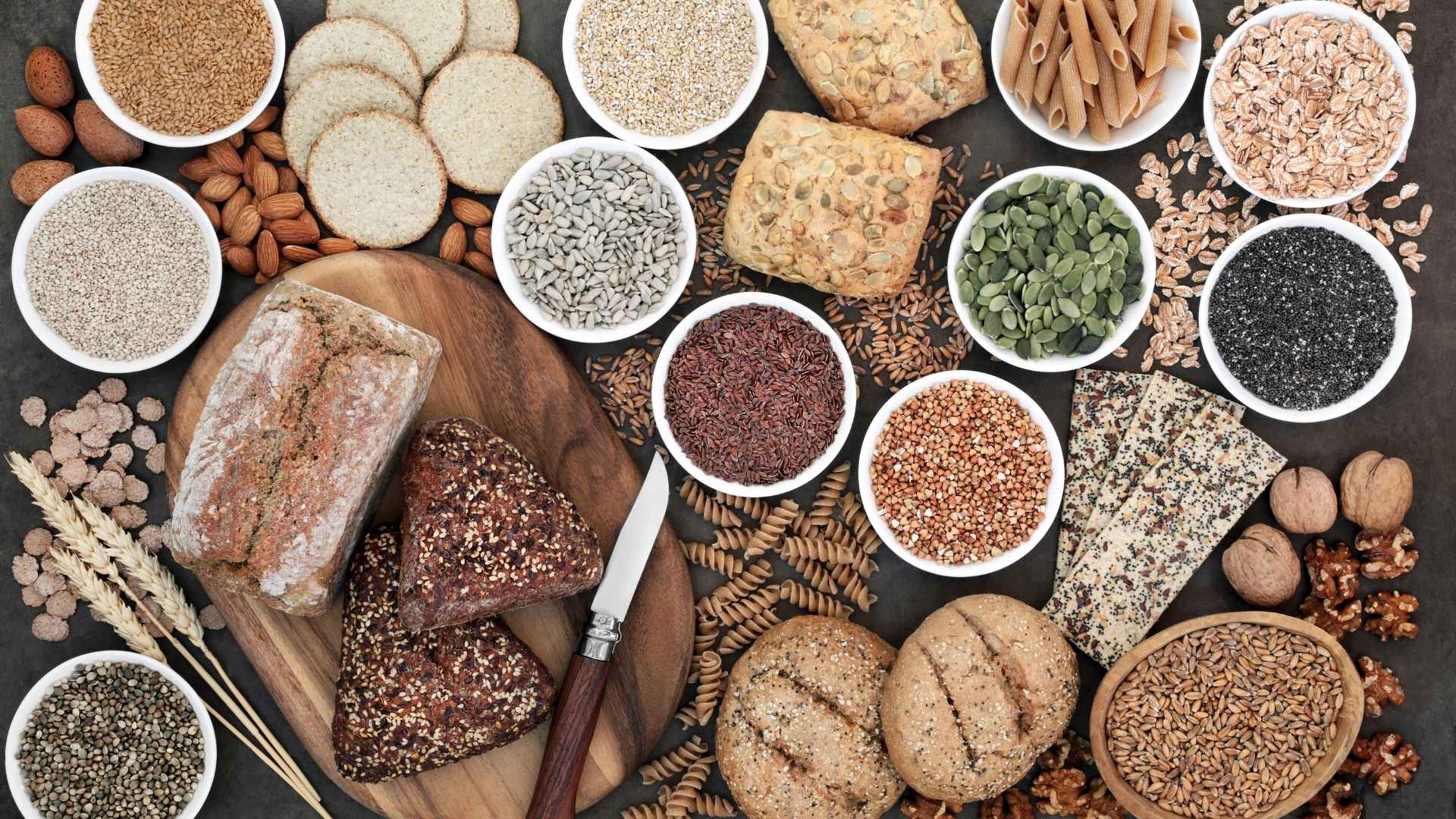
Gut microbiome
High fibre diets can support a healthier gut microbiome. In some human studies, increasing fibre intake changed the mix of gut microbes, including increases in microbes that produce SCFAs. However, the response varies between people and depends on the type and amount of fibre consumed (source).
In contrast, dietary patterns lower in fibre are generally associated with a less favourable gut microbiome, with less SCFA-producing microbes, and features linked to inflammation (source). Similar microbial profiles have been reported in people with atherosclerotic cardiovascular disease (source), and obesity (source); however, these studies show associations and cannot establish that microbiome changes cause these conditions.

It is important to note, however, that microbiomes are individual and dynamic. There is no single “ideal” microbiome, but anti-inflammatory, SCFA-producing microbes are thought to be beneficial.
Weight management
Higher-fibre dietary patterns are associated with modestly lower body weight, BMI and waist circumference (source). Fibre-rich foods tend to be less energy-dense and can help you feel fuller for longer , partly because they add volume to meals and may slow gastric emptying (source).
In practice, moving from a low-fibre pattern to one rich in whole grains, legumes, fruits and vegetables is associated with healthier weight patterns over time.

Diabetes and blood sugar
Evidence for the role of fibre in type 2 diabetes prevention and management is particularly strong. Higher intake of fibre (35 g/day), especially cereal fibre and wholegrains, is associated with a lower risk of developing type 2 diabetes than lower intake (19 g/day). In people with diabetes, higher-fibre diets have also been linked with improvements in HbA1c, fasting glucose, blood lipids and body weight (source).
Fibre can slow down carbohydrate absorption, helping to moderate post-meal blood sugar rises. SCFAs may also contribute to insulin sensitivity and glucose regulation, although these mechanisms remain an active area of research.(source, source).
Cardiovascular health
Higher fibre intake is associated with better cardiovascular health. In a prospective-study meta-analysis, each additional 7 g/day of total fibre was associated with about a 9% lower risk of cardiovascular disease.
Fibre-rich diets were associated with lower total and LDL cholesterol and may modestly improve blood pressure and markers of inflammation. These effects likely reflect a combination of mechanisms, including reduced cholesterol absorption, improved diet quality and SCFA-related metabolic effects. (source).

Inflammation and the Immune System
Modern chronic diseases are often associated with low-grade, persistent inflammation. Higher fibre intake is associated with lower levels of some inflammatory markers, including C-reactive protein, in observational studies. Reviews of fibre interventions also suggest modest improvements in markers such as CRP and IL-6, although results vary between populations and fibre types.
SCFAs may help explain part of this relationship: they can support the gut barrier and influence immune-cell signalling (source). This is promising biology, but it does not mean fibre alone prevents or treats immune disease.
Bowel cancer and other outcomes
The clearest long-term disease association is with colorectal cancer. A meta-analysis of prospective studies found that each additional 10 g/day of fibre was associated with around a 10% lower risk of colorectal cancer, with particularly consistent associations for cereal fibre and whole grains. However, these findings are observational, so they cannot prove that fibre alone prevents cancer.
Fibre may contribute by increasing stool bulk, reducing transit time and supporting a favourable colonic environment, such as the production of butyrate by gut microbes which supports colon cell function (source).
Higher-fibre dietary patterns are also associated with lower all-cause mortality. In a large study, people with the highest fibre intakes had a 15–30% lower risk of death from any cause and from cardiovascular disease than those with the lowest intakes. The largest reductions were seen at 25–29 g of fibre per day, with potential benefits at higher intakes, which aligns with SACN’s fibre recommendations of 30 g/day.
Overall, choosing fibre-rich foods such as wholegrains, beans, lentils, fruit, vegetables, nuts and seeds is a practical way to support bowel health and lower long-term disease risk as part of an overall healthy lifestyle.

Should I take probiotics too?
For most healthy people, routine probiotic supplements are probably not necessary. Probiotics are live microorganisms that have been shown to provide a health benefit at a specific dose, but they are not a substitute for a varied, fibre-rich diet. The current evidence is not strong enough to recommend that the general population take a probiotic daily for general gut health or disease prevention (source).
They are found in some supplements and in certain fermented foods such as yoghurt, kefir and kimchi, although not all fermented foods meet the formal definition of a probiotic. A product only counts as a probiotic when a specific strain and dose have been tested for a particular health benefit. This means that one probiotic product cannot be assumed to have the same effects as another (source).

Probiotics may be helpful in certain situations, such as for some people with irritable bowel syndrome, or after disruption to the gut microbiome from illness or medication. However, benefits are strain- and condition-specific, and evidence for many marketed claims remains limited. If you are immunocompromised or seriously unwell, seek medical advice before taking probiotic supplements (source).
A varied, fibre-rich diet should remain the foundation of gut health. Fibre supports regular bowel movements, keeps us full and feeds gut microbes that produce beneficial short-chain fatty acids. Whole plant foods also carry many other beneficial nutrients such as vitamins and minerals, energy, and protein, which are elements that a probiotic supplement cannot fully replicate. Probiotics may have some benefits in specific circumstances, but more research is needed to establish their long-term effects.

Is fibre essential? The carnivore diet claims about fibre
Fibre is not technically an “essential” nutrient. Humans can survive without it, and there is no recognised fibre-deficiency disease in the way there is for vitamin C or essential fatty acids. However, this does not mean it isn’t important for long-term health. Higher-fiber dietary patterns are consistently linked with better bowel function and lower risks of cardiovascular disease, type 2 diabetes and colorectal cancer, which is why UK guidance recommends around 30 g per day for adults (source).
The carnivore diet is a nutrition trend that is sometimes depicted and glamorised on social media and consists of consuming mostly meat and other animal foods and avoiding or excluding plant foods. Some content creators have indicated that people may feel well or experience fewer gut symptoms in the short term while consuming virtually no fibre, but this is anecdotal evidence.

Evidence on long-term carnivore diets remains very limited. For example, a 2026 scoping review found only nine human studies published on the carnivore diet and they were mostly single-participant case studies carried out over short time periods, with no robust trials available. While some participants in the 9 studies following the carnivore diet reported weight loss, satiety or improvements in selected metabolic markers, the review also identified consistently very low fibre intake, shortfalls in micronutrients including vitamin C, calcium, magnesium and iodine, and increases in LDL and total cholesterol in several studies. The authors concluded that the evidence is too limited to establish long-term safety and that long-term adherence to a restrictive carnivore diet cannot currently be recommended.
Emerging Research
Could fibre reduce my stress levels and improve my mood?
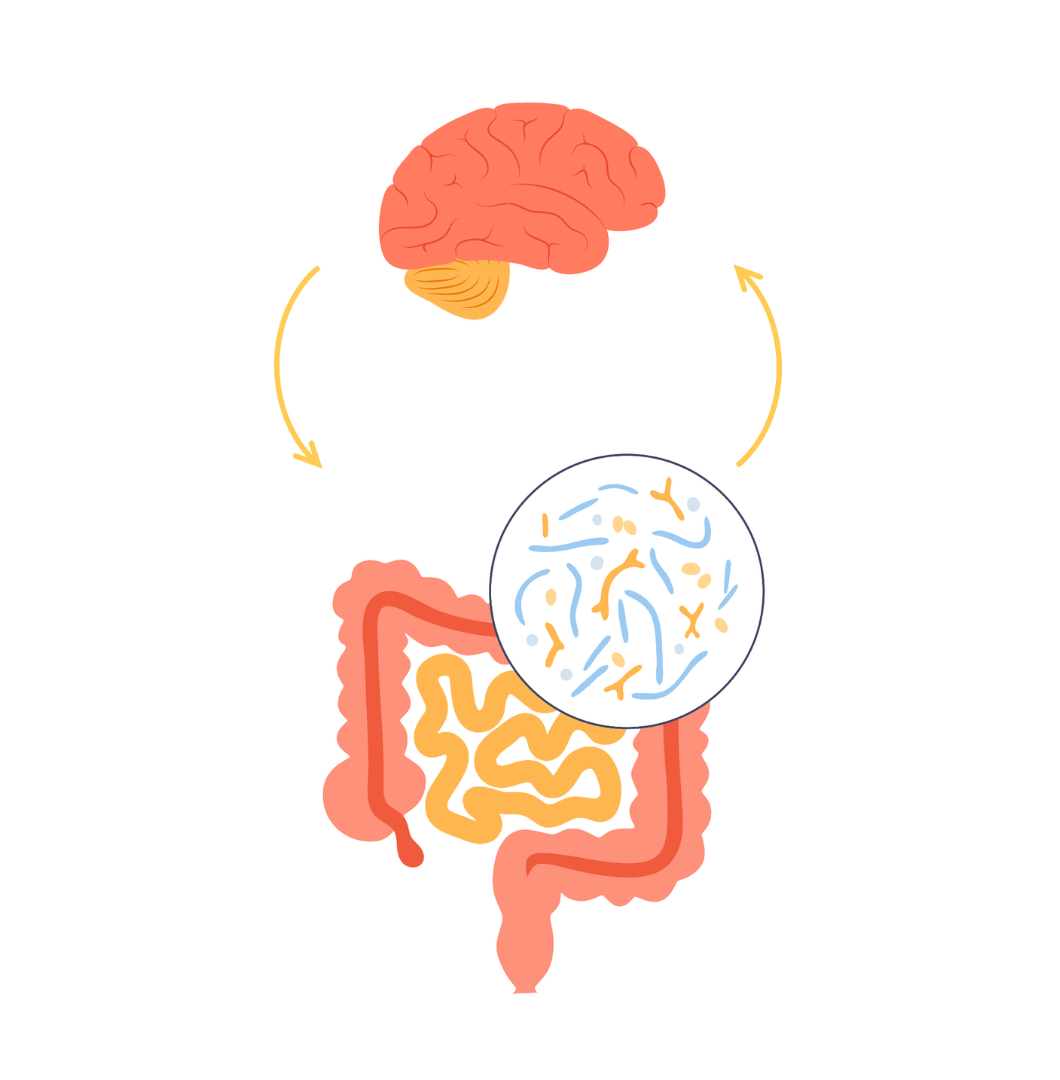
We often hear about how stress can affect the gut and alter our microbiome through the gut-brain axis. But the relationship may also work in the other direction: changes in the gut microbiome may in turn influence stress-related pathways and mental wellbeing. This is an intriguing area of emerging research, raising the possibility that future therapies targeting the gut microbiome could help support mood and mental wellbeing.
Some research has focussed on SCFAs, produced by the fermentation of fibre by gut microbes. These compounds act as signalling molecules and may affect the nervous system and stress hormone pathways.
What the research says
Small human studies provide early, but limited, evidence. In one experimental study, direct delivery of SCFAs into the colon modestly reduced the response of cortisol, a stress hormone, to an acute social-stress test. However, this was not a normal dietary-fibre intervention, so it cannot show that simply eating more fibre will produce the same effect. Animal studies have supported the role of gut microbial metabolites, including SCFAs in stress-hormone signalling and stress-related changes in gut-barrier function. However, findings from animal models cannot be assumed to apply directly to people.
Whole dietary patterns may matter more than fibre alone. In a four-week trial, people assigned to a “psychobiotic” diet rich in prebiotic foods and fermented foods reported a larger reduction in perceived stress than those following a control diet, although the difference between groups was not statistically significant. Participants who adhered more closely to the diet tended to report greater reductions in stress. (source).
Some probiotic supplementation trials also report lower self preceived stress and, in some cases, lower cortisol, although results are variable and effects may depend on the individual, the food or supplement used, and the starting composition of the gut microbiome (source, source).

Research has also explored fibre intake and overall mood: a review of observational studies has linked higher fibre intake with fewer symptoms of depression, anxiety and psychological distress. However, people who eat more fibre often differ in many other ways which observational research cannot always account for, including overall diet quality, physical activity, income and health behaviours. This means that these studies cannot by themselves show that fibre itself is the true cause. In addition, an analysis of randomised controlled trials by the same review did not find that fibre supplements improved anxiety and depression symptoms.
Takeaway
Eating more fibre-rich plant foods is a worthwhile way to support gut and physical health, and it may also support mental wellbeing. The potential for fibre or microbiome-targeted therapeutics to improve stress and mood is an exciting prospect. However, the research is currently limited, and so fibre should be viewed as one part of a broader approach that includes sleep, movement, social support and professional help where needed, and not as a curative treatment for anxiety, depression or chronic stress.

Could fibre affect performance or recovery?
Sports nutrition recommendations have mainly focused on carbohydrates, protein, and fluids, with fibre typically advised in moderation before exercise, to avoid stomach discomfort that could impact performance. However, a small and growing body of research is asking whether fibre might play a role in muscle health, recovery, and performance. Although the evidence is still limited, it is an emerging area of research that warrants further study.
Fibre and muscle mass
The strongest human evidence comes from a large study of over 6,000 adults over 40, which found that people who ate more fibre tended to have more lean muscle mass, better grip strength, and less body fat than those who ate less. This is an encouraging pattern, but it's an observational study showing a link, not proof that fibre intake causes stronger muscles. Also, the increased muscle mass could be because people who eat more fibre often have healthier diets and lifestyles overall. So far, well-controlled trials specifically testing whether adding fibre improves exercise performance or speeds up recovery in humans are still very limited.

The gut-muscle connection
The gut-muscle connection theory centres on microbiome-derived SCFAs. SCFAs travel beyond the gut and appear to influence muscles directly: an animal study showed they may help preserve muscle size and strength, reduce inflammation, and even improve endurance in treadmill tests. If shown in humans, these effects of SCFAs could potentially be utilised to improve performance through muscle strength, and reduce recovery time by reducing exercise-induced muscle inflammation.That said, the authors of the review are careful to note that most of this evidence comes from mice, and is not currently applicable to humans.
Takeaway
For now, fibre's potential role in muscle health remains an intriguing hypothesis, not an evidence-based recommendation. Until stronger human trials exist, standard sports nutrition guidance recommends to keep fibre intake moderate around training to avoid gut discomfort, while meeting fibre needs the rest of the day.
Quick FAQs:
How can I tell if I’m getting enough fibre?
The simplest way is to estimate your usual intake for a few days using food labels or a reliable food-tracking tool. In the UK, adults are advised to aim for around 30 g a day, but average intake is closer to 20 g or less. Regular, comfortable bowel movements, feeling satiated from meals and not feeling hungry shortly afterwards can be signs that your diet is working well for you, but they do not confirm that you are meeting the fibre target.
How quickly should I increase my fibre intake?
Increase fibre gradually rather than trying to jump straight to 30 g a day. For example, aim to make one or two changes at a time, such as switching to a higher-fibre breakfast cereal or adding beans to a meal, and give your gut time to adjust. A gradual increase can help reduce wind, bloating and discomfort.
Do I need to drink more water when I eat more fibre?
It is sensible to drink enough fluid, particularly when increasing fibre or using a fibre supplement. Fibre absorbs water and helps make stools softer and easier to pass; without enough fluid, some people may become constipated. There is no single fluid target that suits everyone, because needs vary with body size, weather, activity and diet. The Eatwell Guide recommends around 6-8 cups of water a day, but this is just a guide.
What should I do if fibre makes me bloated?
Try to reduce the pace at which you are increasing your fibre intake. Aim to increase fibre more slowly and introduce one high-fibre food at a time. Try varying your sources too: some people tolerate oats, fruit, vegetables and chia seeds better than large portions of beans, bran or certain fermentable fibres. If bloating is persistent, severe, or accompanied by other symptoms, seek medical advice.
Does fibre help with constipation?
Often, yes. Fibre can increase stool bulk and softness, while adequate fluid helps stools pass more easily. Different fibres work differently: wheat bran and other less-fermentable fibres can increase stool bulk, while soluble fibres may be useful for some people. However, fibre is not the answer to every type of constipation, and rapidly increasing intake can worsen symptoms for some people. If constipation is persistent, severe, or accompanied by other symptoms, seek medical advice.
Does fibre reduce the absorption of nutrients?
For most people eating a varied diet, normal amounts of fibre do not cause nutrient deficiencies. Some fibres may slightly affect the absorption of particular minerals under certain conditions, but fibre-rich whole foods also supply vitamins, minerals and other beneficial compounds. Extremely high intakes of fibre supplements, or restrictive diets with poor overall nutrient quality, are more likely to be a concern than a diet rich in ordinary plant foods.
Does blending or juicing fruit destroy the fibre?
Blending usually keeps most of the fibre because the whole fruit or vegetable remains in the drink, although breaking down the plant structure may affect how quickly it is digested.
Juicing removes much of the fibre, especially when pulp is discarded.
Does cooking destroy fibre?
No, fibre is generally resistant to heat, although cooking can change its texture and effects on digestion. For example, cooking oats helps release and thicken their natural soluble fibre (beta-glucan), turning it into a gel-like texture that's even more effective at slowing digestion. Cooking starchy foods like potatoes, rice, or pasta and then letting them cool creates more resistant starch, a type of fibre-like starch that feeds your gut bacteria.
Are tinned and frozen foods still good sources of fibre?
Yes. Frozen and tinned fruit and vegetables can still provide fibre and count towards 5 A Day. Choose options canned in water or natural juice where possible, rather than syrup, and check labels for added salt or sugar. Tinned pulses, such as chickpeas, lentils and beans, are also convenient, affordable sources of fibre.
Are fibre supplements as good as getting fibre from food?
Fibre supplements can be useful for some people, including those who struggle with constipation or cannot meet their needs through food alone. However, they are not a full replacement for fibre-rich foods. Wholegrains, beans, fruit, vegetables, nuts and seeds provide a mixture of fibre types as well as vitamins, minerals, protein, energy and plant compounds that supplements do not replicate.
Can I get enough fibre on a gluten-free or low-carb diet?
Yes, but it may take more planning. On a gluten-free diet, try to choose naturally high-fibre foods such as beans, lentils, chickpeas, vegetables, fruit, nuts, seeds, oats labelled gluten-free, quinoa, buckwheat and brown rice. On a low-carb diet, fibre can come from non-starchy vegetables, nuts, seeds, berries, avocados and small portions of pulses where appropriate. Very restrictive low-carb or carnivore-style diets may make it much harder, or impossible, to reach 30 g/day of fibre without supplements.
Is there any benefit to eating more than 30g of fibre per day?
Potentially, yes. The 30 g target is a population-level recommendation, not a strict upper limit. Evidence reviewed by SACN suggests that higher fibre intake is associated with lower risks of several chronic diseases, and some studies show benefits at intakes above 30 g per day. However, more is not automatically better: increase gradually, drink enough fluid and choose a variety of fibre-rich foods rather than relying heavily on bran or supplements.

Independent fact-checking, funded by readers like you.
Misinformation is a growing threat to our health and planet. At foodfacts.org, we're dedicated to exposing the truth behind misleading food narratives. But we can't do it without your support.
Sources
- Harvard T.H. Chan School of Public Health (2022). The Nutrition Source: ‘Fiber’.
- British Heart Foundation (2026). ‘High fibre foods: how much fibre should you eat per day?’.
- British Nutrition Foundation (Accessed August 2026). ‘Fibre’.
- Diabetes UK (Accessed August 2026). ‘Fibre and diabetes’.
- Slavin, J (2013). ‘Fiber and prebiotics: mechanisms and health benefits.’
- Carlson, JL et al. (2018). ‘Health Effects and Sources of Prebiotic Dietary Fiber.’
- Rebello, CJ et al.(2016). ‘Dietary fiber and satiety: the effects of oats on satiety.’
- Leeman, M et al. (2005). ‘Vinegar dressing and cold storage of potatoes lowers postprandial glycaemic and insulinaemic responses in healthy subjects.’
- Holland, C et al. (2020). ‘Plant Cell Walls: Impact on Nutrient Bioaccessibility and Digestibility.’
- National Health Service (NHS) (2026). ‘How to get more fibre into your diet’.
- British Dietetic Association (2021). ‘Fibre’.
- Scientific Advisory Committee on Nutrition (SACN) (2015). ‘Carbohydrates and Health’.
- Food and Nutrition Board, Institute of Medicine, National Academies (2005). ‘Dietary Reference Intakes (DRIs): Recommended Dietary Allowances and Adequate Intakes, Total Water and Macronutrients’.
- Mayo Clinic (2025). ‘Chart of high-fiber foods’.
- UC Health (2025). ‘Eating the Right Amount of Fiber: How Much Is Too Little or Too Much?’
- Public Health England (2016). ‘Eatwell Guide’.
- National Center for Health Research (Accessed August 2026). ‘MyPlate: Understanding the Dietary Guidelines for Americans’.
- National Health Service (NHS) (2022). ‘Why 5 A Day?’
- BBC Food (2026). ‘30 plant points: What they are and why your gut needs them.’
- National Institute of Diabetes and Digestive and Kidney Diseases (2017). ‘Eating, Diet & Nutrition for Irritable Bowel Syndrome’.
- McDonald, D et al. (2018). ‘American Gut: an Open Platform for Citizen Science Microbiome Research.’
- Nogal, A et al (2021). ‘The role of short-chain fatty acids in the interplay between gut microbiota and diet in cardio-metabolic health.’
- Silva, YP et al. (2020). ‘The Role of Short-Chain Fatty Acids From Gut Microbiota in Gut-Brain Communication.’
- Oliver A et al. (2021). ‘High-Fiber, Whole-Food Dietary Intervention Alters the Human Gut Microbiome but Not Fecal Short-Chain Fatty Acids.’
- Bolte, LA et al. (2021). ‘Long- term dietary patterns are associated with pro-inflammatory and anti- inflammatory features of the gut microbiome’
- Jie, Z et al. (2017). ‘The gut microbiome in atherosclerotic cardiovascular disease.’
- Tseng, C & Wu, C et al. (2019). ‘The gut microbiome in obesity’.
- Reynolds, AN et al. (2020). ‘Dietary fibre and whole grains in diabetes management: Systematic review and meta-analyses.’
- Alahmari, LA (2024). ‘Dietary fiber influence on overall health, with an emphasis on CVD, diabetes, obesity, colon cancer, and inflammation.’
- Threapleton, DE et al. (2013). ‘Dietary fibre intake and risk of cardiovascular disease: systematic review and meta-analysis.’
- Qi, X et al. (2023). ‘The associations between dietary fibers intake and systemic immune and inflammatory biomarkers, a multi-cycle study of NHANES 2015-2020.’
- Benedicto-Toboso, MI et al. (2025). ‘Effect of Dietary Fiber Intake on Chronic Low-Grade Inflammation in Children and Adolescents: A Systematic Review and Meta-analysis of Randomized Controlled Trials.’
- Parada Venegas, D et al. (2019). ‘Short Chain Fatty Acids (SCFAs)-Mediated Gut Epithelial and Immune Regulation and Its Relevance for Inflammatory Bowel Diseases.’
- Aune, D et al. (2011). ‘Dietary fibre, whole grains, and risk of colorectal cancer: systematic review and dose-response meta-analysis of prospective studies.’
- Salvi, PS & Cowles, RA (2021). ‘Butyrate and the Intestinal Epithelium: Modulation of Proliferation and Inflammation in Homeostasis and Disease.’
- Reynolds, A et al. (2019). ‘Carbohydrate quality and human health: a series of systematic reviews and meta-analyses’.
- Merenstein, DJ et al. (2024). ‘Is There Evidence to Support Probiotic Use for Healthy People?’.
- Hill, C et al. (2014). ‘The International Scientific Association for Probiotics and Prebiotics consensus statement on the scope and appropriate use of the term probiotic’.
- National Health Service (NHS) (2022). ‘Probiotics’.
- Lietz, A et al. (2026). ‘Carnivore Diet: A Scoping Review of the Current Evidence, Potential Benefits and Risks.’
- Dalile, B (2020). ‘Colon-delivered short-chain fatty acids attenuate the cortisol response to psychosocial stress in healthy men: a randomized, placebo-controlled trial.’
- van de Wouw, M et al. (2018). ‘Short-chain fatty acids: microbial metabolites that alleviate stress-induced brain-gut axis alterations.’
- Berding, K et al. (2023). ‘Feed your microbes to deal with stress: a psychobiotic diet impacts microbial stability and perceived stress in a healthy adult population.’
- Ma, T et al. (2021). ‘Probiotic consumption relieved human stress and anxiety symptoms possibly via modulating the neuroactive potential of the gut microbiota’.
- Lew, LC et al. (2019). ‘Probiotic Lactobacillus plantarum P8 alleviated stress and anxiety while enhancing memory and cognition in stressed adults: A randomised, double-blind, placebo-controlled study.’
- Aslam, H et al. (2024). ‘Fiber intake and fiber intervention in depression and anxiety: a systematic review and meta-analysis of observational studies and randomized controlled trials’.
- Thomas, D et al. (2016). ‘Position of the Academy of Nutrition and Dietetics, Dietitians of Canada, and the American College of Sports Medicine: Nutrition and Athletic Performance’.
- Frampton, J (2021). ‘Higher dietary fibre intake is associated with increased skeletal muscle mass and strength in adults aged 40 years and older.’
- Liu, X et al. (2025). ‘Role and Mechanism of Short-Chain Fatty Acids in Skeletal Muscle Homeostasis and Exercise Performance’.





foodfacts.org is an independent non-profit fact-checking platform dedicated to exposing misinformation in the food industry. We provide transparent, science-based insights on nutrition, health, and environmental impacts, empowering consumers to make informed choices for a healthier society and planet.






.svg)


.svg)

