
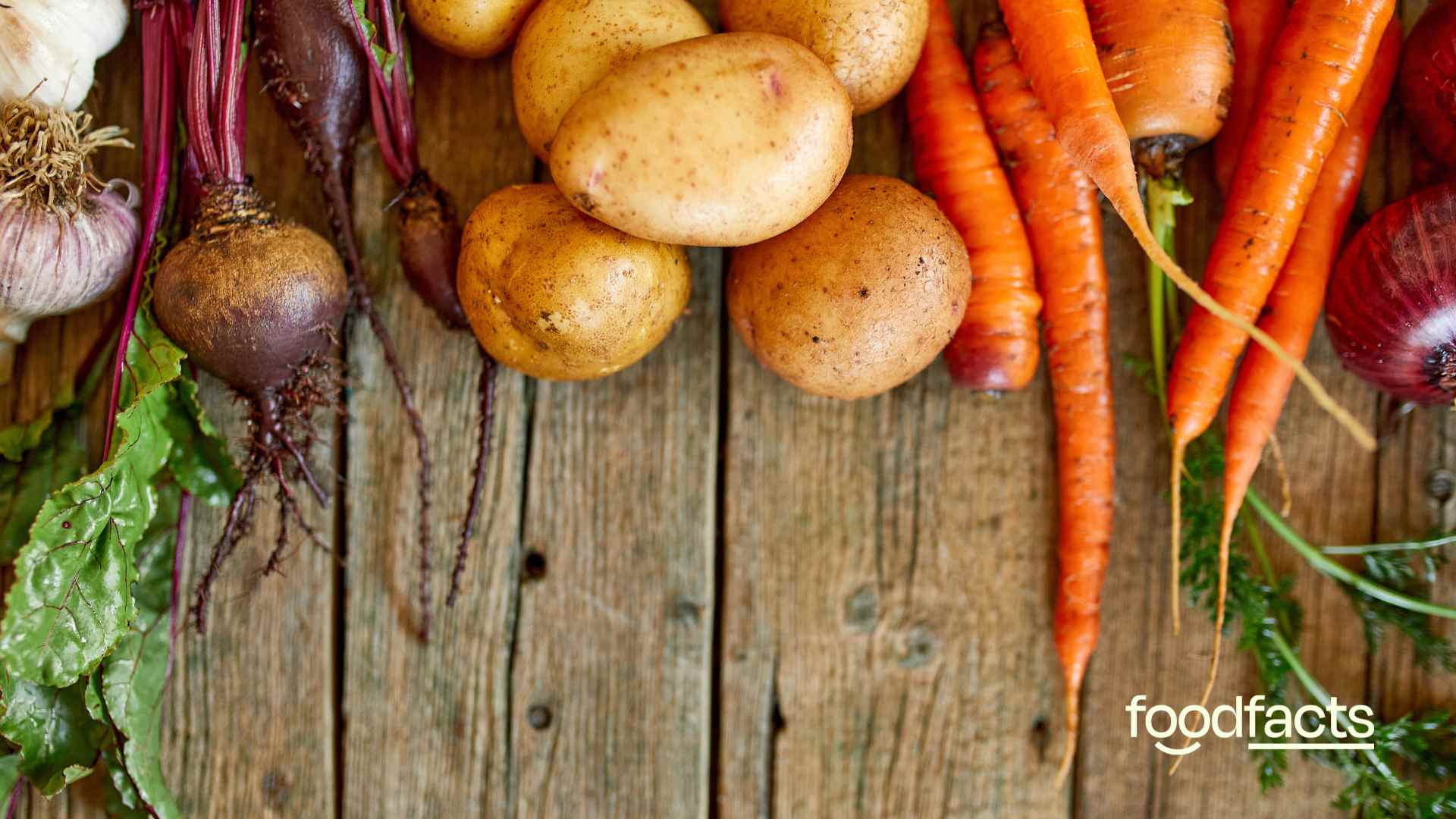




Perfectly imperfect: why choosing 'wonky' veg reduces waste and fights climate change




Rejecting the Myth of Perfect Produce
Every year, millions of tonnes of nutritious, flavourful produce never reach supermarket shelves. Around 3 million tonnes of edible food is wasted on UK farms each year! Their crime? Being too misshapen, too big, or too small. Strict supermarket cosmetic standards, driven by outdated perceptions of perfection, directly contribute to massive food waste at the farm level. But is it time we questioned these assumptions and embraced the wonky wonders of our food system?

The Real Cost of Cosmetic Standards
Oddbox, a company dedicated to rescuing surplus produce, identifies supermarket cosmetic criteria as a primary culprit behind farm-level food waste. Produce is often rejected not for taste or quality but simply for disrupting uniformity on supermarket shelves. This rejection creates a hidden crisis: wasted effort, wasted resources, and untold environmental damage.
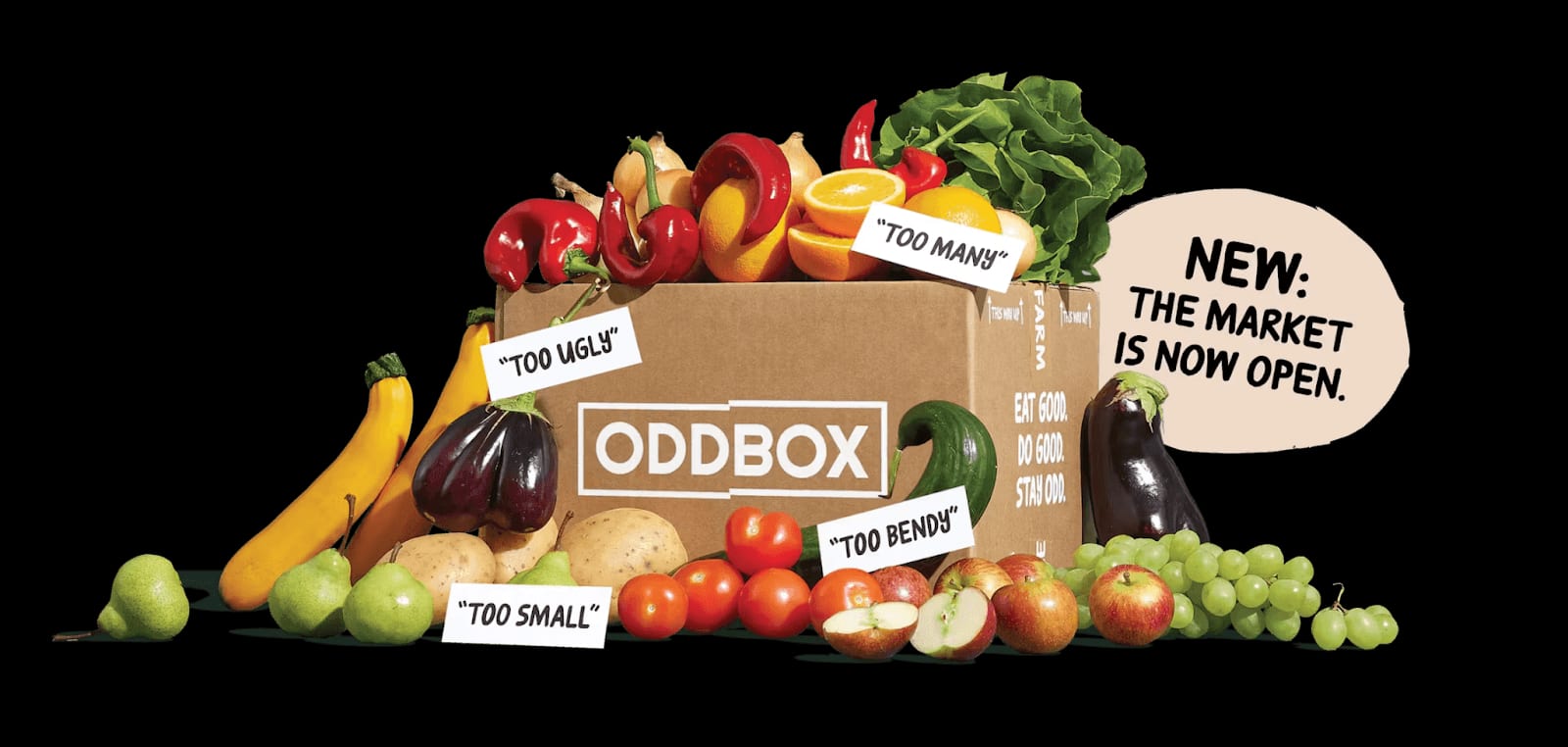
The ‘Perfect’ Produce Myth
Consumers tend to imagine fruit and vegetables as perfectly formed, free of bruises and variations to shape and size and colour. Produce that did vary from the norm (or more fairly, was normal, but not what consumers felt was normal) was seen as undesirable and potentially unhealthy or dangerous. Fruits and vegetables that took this form have been unfairly seen as second-rate. However, these outdated associations are shifting as consumers begin prioritizing flavour and freshness over appearance, challenging entrenched narratives around food quality. The shift also reveals an underlying reality: taste and quality often reside beneath an imperfect exterior.
Consumer Expectations: Changing the Game
The belief that consumers only desire uniform produce has long driven retailers’ policies. However the team at the Oddbox notes an encouraging shift: consumers increasingly appreciate that taste and freshness matter far more than appearances. Awareness campaigns help consumers proudly embrace oddly shaped apples and carrots, recognizing beauty in imperfection. Education plays a crucial role here, people empowered with knowledge willingly adjust their preferences, thereby reshaping market demands and supermarket practices.
Food Waste: An Environmental Emergency
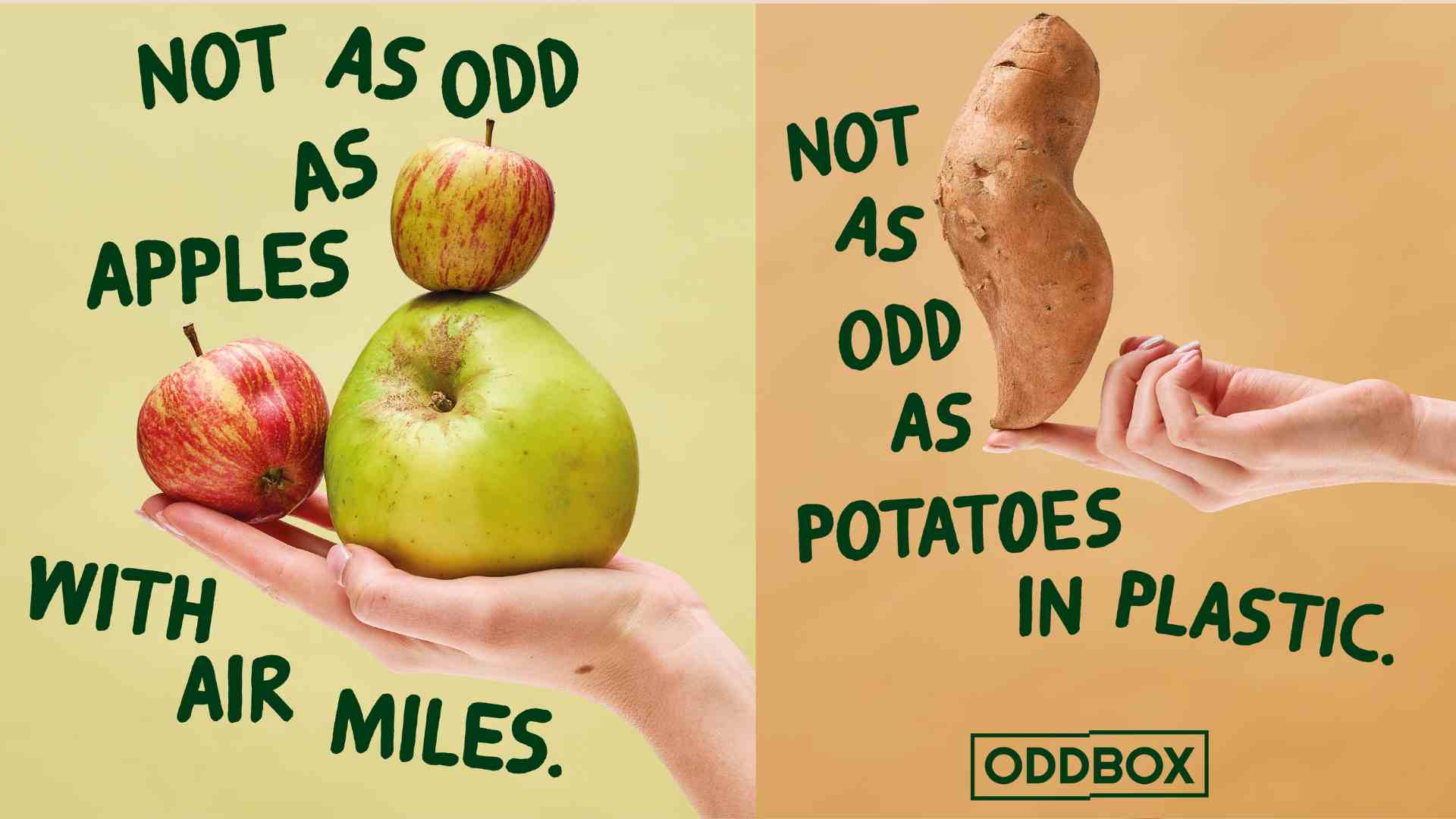
Food waste statistics in the UK paint a grim picture. British households waste approximately 4.5 million tonnes of edible food annually, with potatoes topping the list at nearly half a million tonnes. Bread and milk closely follow. This waste is more than just lost food, it represents squandered resources, including vast amounts of water, energy, and land. Critically, food waste contributes significantly to global greenhouse gas emissions, accounting for approximately 8-10% worldwide, five times the emissions from the aviation sector. When food decomposes in landfills, it produces methane, a greenhouse gas 25 times more potent than carbon dioxide.

Understanding the Climate Connection
Food waste isn’t just an ethical concern; it’s a critical climate issue. Every kilogram of wasted food has embedded within it countless litres of water, significant energy expenditure, and hectares of land use. Reducing waste directly decreases the strain on natural resources and lowers emissions. It’s a tangible, powerful way for individuals to participate actively in climate action.
"We can't just think about food waste in terms of the methane emissions that are released when it breaks down. All of the energy, fertilizer, pesticide, water, land, and other resources that go into producing food that ends up in the bin is also wasted. Not only does this harm the planet, it reduces the value of food, costing both farmers and households money. Reducing food waste is an important step that we can all take to reduce our impact on the planet."
Matthew Unerman (Sustainability Campaigner at foodfacts.org, co-author of WWF's Hidden Waste report)
Busting Myths about Imperfect Produce
Misconceptions persist that imperfect produce is inferior in taste, nutrition, or shelf life. However, companies like Oddbox emphasize that these beliefs are wrong. Many factors causing surplus, such as overproduction or last-minute retailer cancellations, are unrelated to the produce's quality. Indeed, imperfect produce often offers superior taste, as flavour isn’t dictated by appearance but by freshness and ripeness.
Shifting Attitudes: Practical Steps for Change
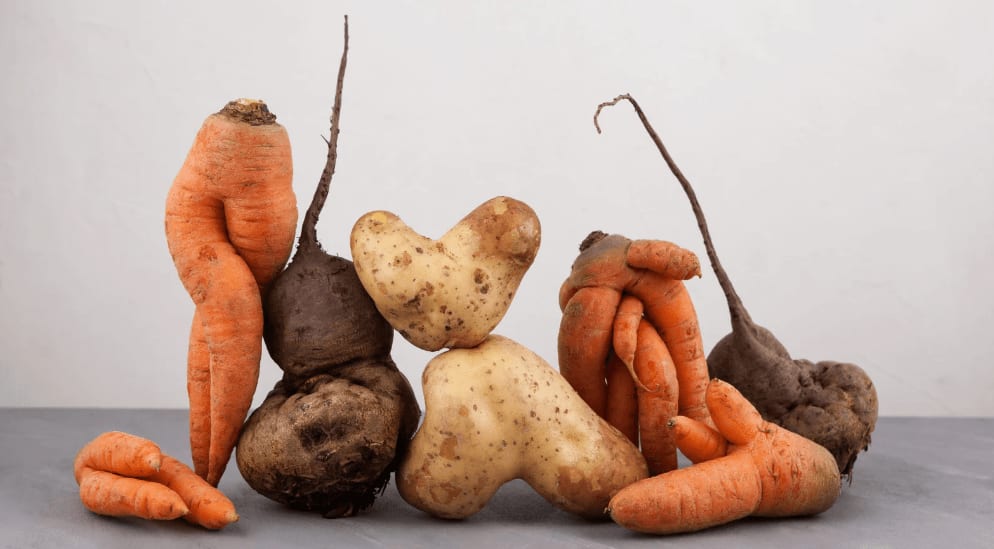
Practical consumer advice includes selecting loose produce over packaged options, creatively using leftovers, and consciously avoiding overbuying. Shopping mindfully reduces waste and encourages supermarkets to reconsider their stocking strategies. Embracing oddly shaped vegetables and fruits enriches meals, inspires culinary creativity, and nurtures a culture that values resourcefulness and sustainability.
The Power of Collective Action
The team at Oddbox quantifies its impact with compelling evidence: since its inception, their community has saved over 51,000 tonnes of produce, with ambitions to reach 150,000 tonnes by 2030. This achievement highlights the significant potential for collective action. Small, regular choices accumulate, delivering substantial environmental benefits and influencing broader societal change.
Reimagining Our Relationship with Food
At its core, embracing imperfect produce invites us to rethink our broader relationship with food. It challenges us to confront our biases and recognize the invisible connections between food choices and global environmental health. Choosing 'wonky' produce isn’t simply about environmental responsibility; it’s about redefining our values and priorities.
Embracing Imperfection for a Better Future
Choosing 'wonky' produce goes beyond reducing waste. It's a declaration of consumer values, prioritizing flavour, freshness, and sustainability above superficial perfection. Embracing imperfection empowers consumers, enriches communities, and actively reshapes our food culture, creating a future where sustainability isn't just possible but celebrated.
If you want to save food waste with Oddbox visit them on their website, use the code FOODFACTS to get 25% off your first four weeks.

Independent fact-checking, funded by readers like you.
Misinformation is a growing threat to our health and planet. At foodfacts.org, we're dedicated to exposing the truth behind misleading food narratives. But we can't do it without your support.
Sources + Further Reading
- Hannah Ritchie (2024). “What share of global CO₂ emissions come from aviation?”
- OddBox (2024). Good Food Report
- UNFCC (30 September 2024). “Food loss and waste account for 8-10% of annual global greenhouse gas emissions; cost USD 1 trillion annually.”
- WRAP, 2025. Household food and drink waste in the United Kingdom 2022.
- WWF-UK (2022) Hidden Waste: The scale and impact of food waste in UK primary production




foodfacts.org is an independent non-profit fact-checking platform dedicated to exposing misinformation in the food industry. We provide transparent, science-based insights on nutrition, health, and environmental impacts, empowering consumers to make informed choices for a healthier society and planet.






.svg)


.svg)

