





Are we being fed cancer cells? The lab-grown meat claim fact-checked


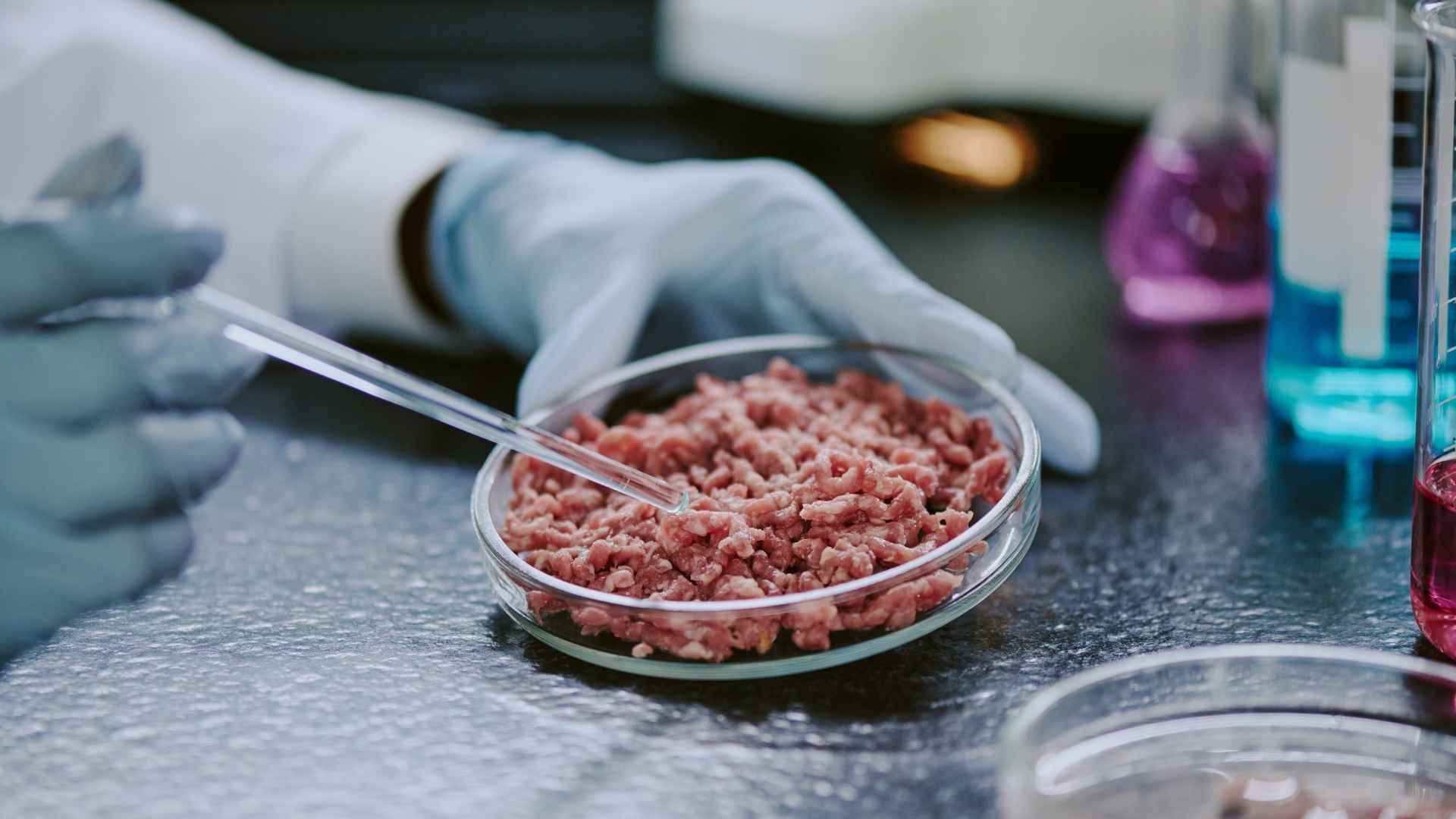
A [now deleted] TikTok video by @courageousmomma went viral stating that lab-grown meat is made out of cancerous cells. This fact-check looks at where these claims come from and unpacks how lab-grown meat is made to see whether the science supports them.



The cells used are normal animal stem cells, which are carefully monitored to ensure they grow safely and do not become abnormal or cancerous. Although these cells divide rapidly, this behaviour simply mirrors how stem cells function in living animals to replace or repair tissue. In cultivated meat production, the cells are later guided to develop into muscle and fat cells, just like they would naturally, before the product reaches consumers.
Understanding the safety of lab-grown meat is important as it could offer a more sustainable and potentially safer alternative to traditional meat, but consumers and regulators need clear, evidence-based information to make informed choices as this technology becomes more common.


Eating a lot of red and processed meats has been linked to a higher risk of certain cancers, like bowel and stomach cancer, mainly because harmful chemicals can form when these meats are cooked at high temperatures or heavily processed (source, source, source, source, source). These chemicals, called mutagens, aren’t found in raw meat but are created during grilling, frying, or smoking (source).
Lab-grown meat on the other hand is made differently: it’s produced in clean, controlled settings and doesn’t need the same high-heat cooking or processing that creates these cancer-linked chemicals, so it likely doesn’t have the same risks. However, lab-grown meat is still very new, and scientists haven’t had enough time to study whether eating it affects cancer risk in the long run (source, source, source). Right now, there’s no evidence that lab-grown meat increases cancer risk, but more research is needed as it becomes more common.
Untangling links between meat consumption and cancer risk: where does lab-grown meat fit in?
According to large cohort studies and systematic reviews (source, source), cancer risk and particularly colorectal cancer, begins to increase when red meat intake exceeds about 350–500 grams of cooked weight per week. That’s roughly three to four portions per week, or about 50–70 grams per day. Beyond this, the risk rises in a dose-dependent way. For example, a meta-analysis (source) found that for every additional 100 grams of red meat per day, colorectal cancer risk increased by about 12–17%. For processed meat the evidence is even stronger and more consistent. Processed meats — like bacon, sausages, ham, and cured meats — were classified by the World Cancer Research Fund (source) as Group 1 carcinogens, meaning there is sufficient evidence that they cause cancer in humans.
Lab-grown meat is produced from animal cells and is not the same as cured processed meat. There’s no long-term human data yet, so any risk would depend on how it’s made and cooked, with lower exposure expected if no heavy processing is applied and high-temperature charring is minimised.

What about claims that lab-grown meat is made from animal cancer cells because they replicate fast?
Lab-grown meat is indeed made by quickly growing animal cells in a controlled environment, but not by using cancer cells. The cells used are normal animal stem cells, which are grown and differentiated into muscle and fat cells, being carefully monitored to ensure they grow safely and do not become abnormal or cancerous (source).
Some people worry about safety because the cells multiply quickly, but this is completely natural; it’s the same way stem cells grow and repair tissue in animals. The process is closely monitored to ensure the cells remain healthy and normal. In fact, lab-grown meat avoids some of the health risks linked to traditional meat, such as bacteria from slaughterhouses and harmful chemicals from processing (source, source, source).
However, like any new food, lab-grown meat does face safety challenges, including the risk of contamination during production and ensuring that all ingredients used in the growth process are food-safe. (source, source, source). These risks are being addressed with strict safety standards similar to those used in medicine and food manufacturing. There is no evidence that eating lab-grown meat increases cancer risk, and the idea that it is made from cancer cells is a myth. Still, because lab-grown meat is new, scientists and regulators are continuing to study its long-term safety to make sure it is healthy for everyone (source, source, source).
“Some cell lines used in cultivated meat production are designed to divide indefinitely, allowing a continuous and reliable supply of cells. However, immortalisation is not the same as malignancy. Instead, it simply means that the cells can keep dividing, whereas cancer involves many additional, uncontrolled behaviours. Properly immortalised cell lines are thoroughly tested to confirm that they do not display other cancer-like traits.
Immortalised cell lines have been used safely in research and vaccine production for decades, and their characteristics are well understood. Even if such cells contain mutations, eating them does not pose a risk; our digestive system breaks down all cells into basic components like amino acids and nucleotides, just as it does with conventional meat.
In the UK, novel foods regulations require rigorous review of every step of cultivated meat production, from the cell line to the growth process to the final product. This means that before reaching consumers, cultivated meat will be among the most thoroughly tested foods ever for health and safety.”

Final thoughts
The claim that lab‑grown meat is made from cancerous animal cells doesn’t hold up under scientific scrutiny. Cultivated meat starts from normal animal cells, often stem or progenitor cells, that are carefully selected and grown under controlled conditions for consistency and safety, not from malignant or cancerous lines.The processes involved in cultured‑meat production include rigorous screening, quality controls, and clear regulatory pathways aimed at ensuring food‑safety standards are met. While the field is still young and continued transparency around cell sourcing and manufacturing will be important, there’s no credible evidence that the product you might buy is anything like animal cancer tissue.Given the potential of cultivated meat to reduce environmental footprints, support animal welfare, and diversify protein sources, it’s helpful to view it with curiosity rather than fear.
Disclaimer
This fact-check is intended to provide information based on available scientific evidence. It should not be considered as medical advice. For personalised health guidance, consult with a qualified healthcare professional.
Stand Against Nutrition Misinformation
Misinformation is a growing threat to our health and planet. At foodfacts.org, we're dedicated to exposing the truth behind misleading food narratives. But we can't do it without your support.
Sources
Powell, D., et al., 2024. Cultivated meat microbiological safety considerations and practices.
Sogore, T., et al, 2024. Microbiological and chemical hazards in cultured meat and methods for their detection.
Hadi, J., & Brightwell, G., 2021. Safety of Alternative Proteins: Technological, Environmental and Regulatory Aspects of Cultured Meat, Plant-Based Meat, Insect Protein and Single-Cell Protein.
Chriki, S., & Hocquette, J., 2020. The Myth of Cultured Meat: A Review.
Mechenene, M., & Alsaied, M., 2025. Lab-Cultivated Meat and Its Jurisprudential Rulings.
World Cancer Research Fund / American Institute for Cancer Research (WCRF/AICR), 2018. Diet, Nutrition, Physical Activity and Cancer: A Global Perspective.
Chan, D., et al., 2011. Red and processed meat and colorectal cancer incidence: meta-analysis of prospective studies.


foodfacts.org is an independent non-profit fact-checking platform dedicated to exposing misinformation in the food industry. We provide transparent, science-based insights on nutrition, health, and environmental impacts, empowering consumers to make informed choices for a healthier society and planet.






.svg)


.svg)

