
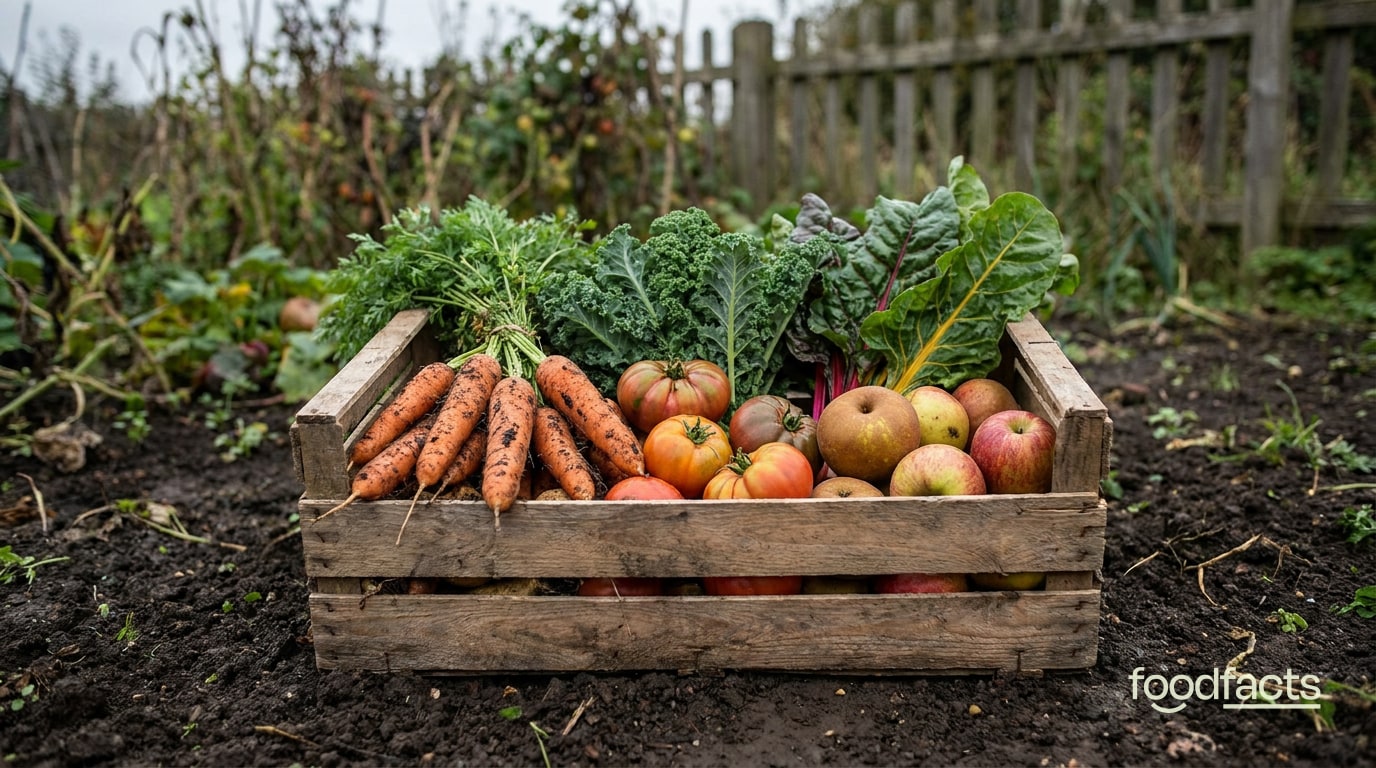




The nutritional decline in modern produce: separating the real science from the noise




You've probably heard the claim: a tomato today isn't what it used to be. Compared to one your grandmother might have sliced onto a plate in 1950, the modern supermarket tomato is paler, waterier, and stripped of much of its former goodness. The story shows up in wellness magazines, major outlets like National Geographic, and NPR segments with titles like "Grandma's Veggies May Have Been More Nutritious". It's a tidy narrative, and like many tidy narratives, it mixes real science with a lot of noise.
So let's actually ask the question: has the nutritional value of fresh produce genuinely declined over the past 70 years? And if so, how worried should we be?
What the data shows
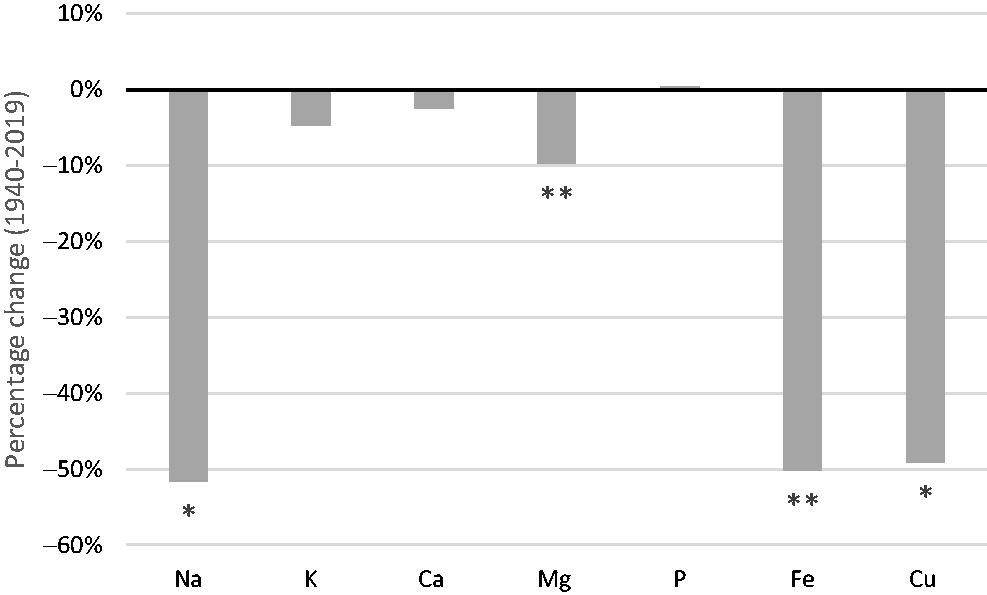
The most cited study on this question comes from Donald Davis and colleagues at the University of Texas, published in 2004. This peer-reviewed analysis compared USDA nutrient data from 1950 and 1999 across 43 garden crops and found median declines: protein down around 6%, calcium 16%, iron 15%, vitamin C 15%, and riboflavin 38%. Earlier UK work by Anne-Marie Mayer in 1997 found similar patterns across 20th-century food composition tables, with statistically significant drops in calcium, magnesium, copper and other minerals. A recent analysis extended the UK comparison to 2019 and still found almost every mineral lower than it was in 1940, with iron, copper and sodium showing the biggest declines over the 80-year period.
More recent work keeps piling on. A 2024 review in the journal Foods called the trend "alarming," citing prior studies which show declines of 25–50% or more in nutrient density for some commercial fruits and vegetables over the past 50–70 years. And climate change might be making it worse: a large 2025 meta-analysis in Global Change Biology, synthesizing roughly 59,000 samples across 43 food crops, showed that crops grown under current elevated CO₂ levels contain less zinc, iron and protein.
There does seem to be a real signal in the data, particularly for intensively bred, high-yield varieties grown on depleted soils in a CO₂-enriched atmosphere.
Why might this be happening?
Three mechanisms come up repeatedly in the literature.
- The first is the dilution effect. For decades, plant breeders have selected for higher yields, which means bigger, faster-growing fruits and vegetables that look uniform and travel well. Yield gains, however, don't come with proportional gains in nutrients. A larger tomato that ripens in less time essentially spreads the same stock of minerals and vitamins across more mass and more water. Side-by-side plantings of high- and low-yield cultivars of broccoli and grains show this, but the authors underlined that this effect remains modest.
- The second is environmental degradation. On the one hand, intensive monoculture, heavy tillage and synthetic fertiliser programs disrupt soil biology. In particular, the mycorrhizal fungi and microbial communities that help plants extract trace minerals from the soil. When the root–soil relationship is degraded, the plant has fewer tools to absorb the micronutrients that ultimately end up on your plate. As cited above, the ever-increasing amount of CO₂ in the air is also playing a role.
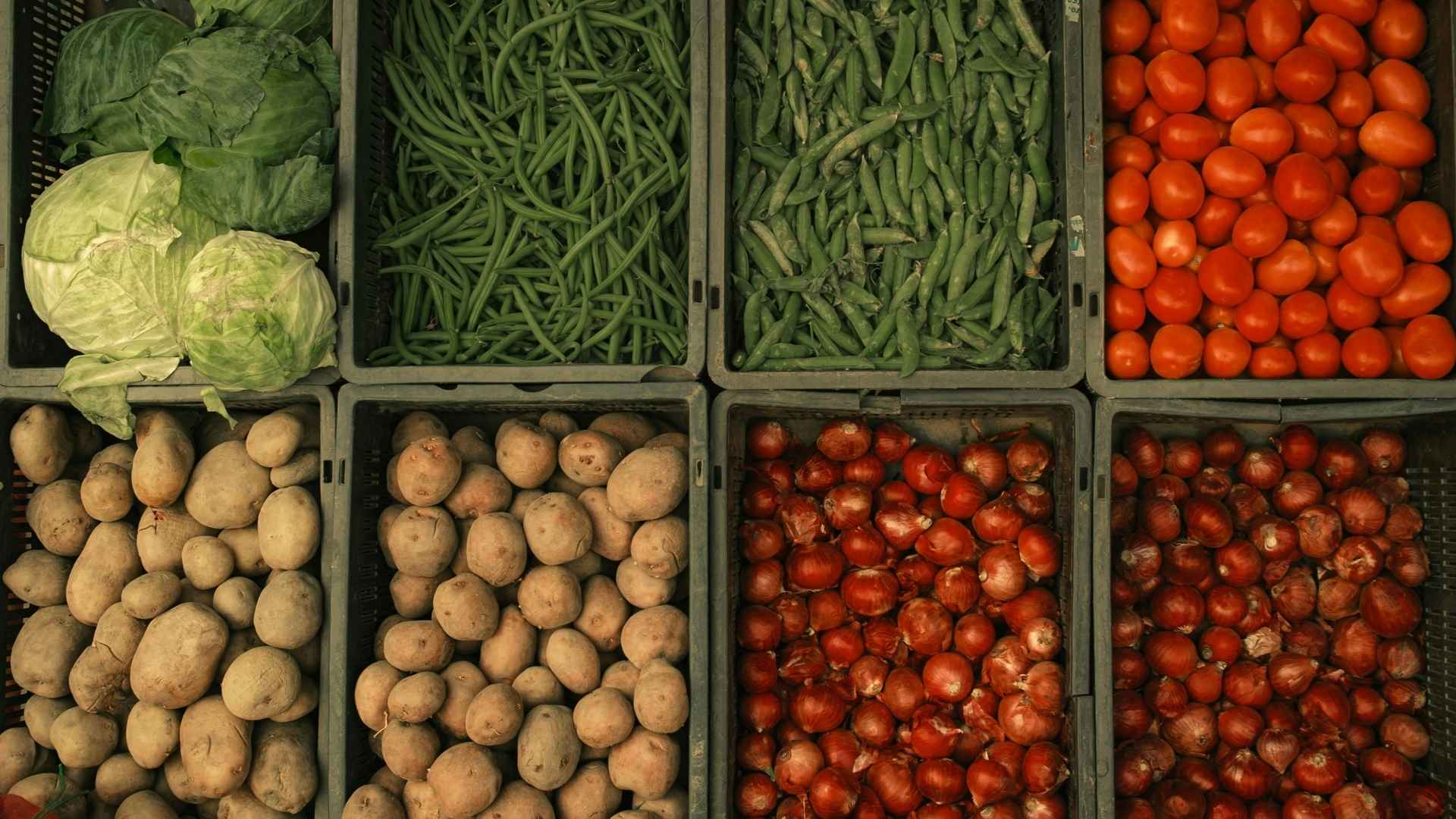
- The third is distance and time. Delicate nutrients like vitamin C start degrading the moment a vegetable is harvested. An apple kept under controlled-atmosphere storage for ten months, or a spinach leaf that has spent four days bouncing between a truck, a distribution centre and a supermarket shelf, tends to have lower nutrient density as one picked that very morning. Research on prolonged cold storage in apples has shown antioxidant phenolic losses of up to 50% in the flesh.
Are we seeing clear clinical effects?
This is where the story gets muddier. We don't have a population-scale study cleanly linking the Davis decline to a specific rise in a particular deficiency in high-income countries. Globally, micronutrient deficiency already affects more than 2 billion people, but most of that burden is driven by overall diet quality and poverty, not by modest nutrient dilution in Western supermarket produce.
It is still important to pay attention to this issue, however, to avert larger problems down the line. A Lancet Planetary Health modelling study projected that by 2050, the combined effects of rising CO₂ and climate change could erase close to 20% of the projected increase in global protein availability and around 14% of the projected increase in iron and zinc. Populations already at the edge of sufficiency—which includes young children, pregnant women, and people with low-income—are the most exposed.
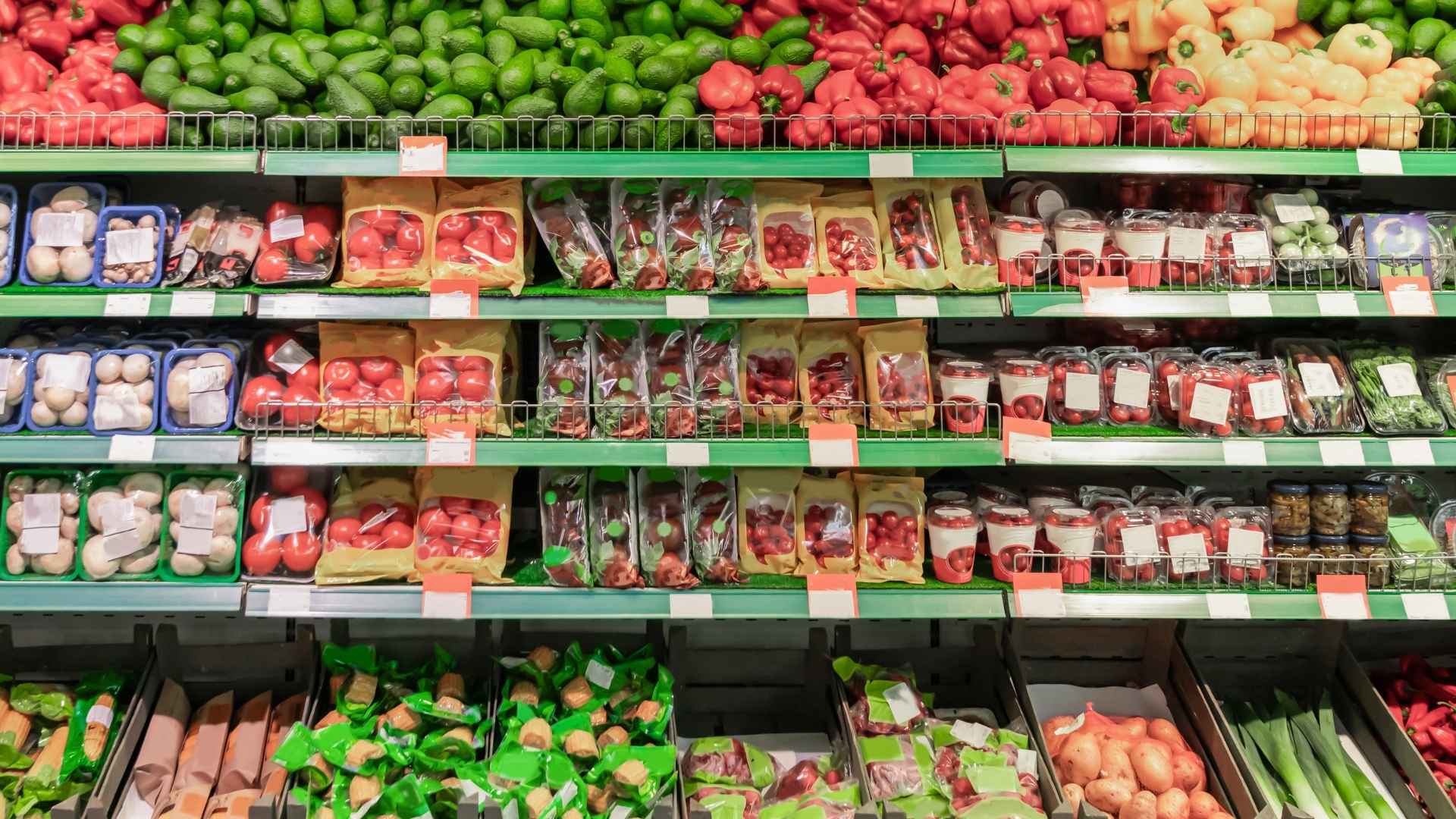
For most readers, a slightly less mineral-rich tomato isn't going to tip them into deficiency overnight. What it may do, over time, is make it harder for a "balanced diet" to deliver the same nutritional punch it did half a century ago. This is especially important as global fruit and vegetable consumption is already well below the WHO's 400 g/day target, with most adults needing to roughly double their intake.
The other side of the argument
Not everyone in nutrition science is convinced this decline is a serious issue.
A critical review by Robin Marles in the Journal of Food Composition and Analysis argued that comparing food tables decades apart is inherently unreliable. Methods for measuring minerals have changed substantially since the 1930s; early wet-chemistry techniques were simply not calibrated the way modern atomic spectrometry is. Crop varieties, geographic origin, ripeness at harvest and sample sizes all differ between old and new datasets. When researchers compare archived soil samples from the same long-term agricultural sites, they generally don't see the kind of catastrophic mineral depletion implied by the scariest versions of the story. Some of the reported declines—copper dropping 34% to 81%, for instance—sound enormous, but fall inside an already huge natural range of variation across varieties and regions.

There's also a strong case that selective breeding and agricultural progress have made food better in other ways. Modern apples are sweeter and more palatable than their wild progenitors, which helps people actually eat them. The evidence that apple consumption is linked to lower risks of type 2 diabetes and cardiovascular disease comes from studies using today’s commercial apple varieties, not ancestral ones. Biofortification programmes are actively raising the iron, zinc and vitamin A content of staple crops in regions where deficiency is most devastating.
Claims that you'd need to eat six modern apples to match one grown in Italy, or that ancestral fruit is somehow safer than today's, aren't supported by controlled scientific data. They risk pushing people away from the very foods public health authorities are trying to get more of onto their plates. In most Western countries, the far bigger nutritional problem is that people aren't eating enough fruit and vegetables at all.
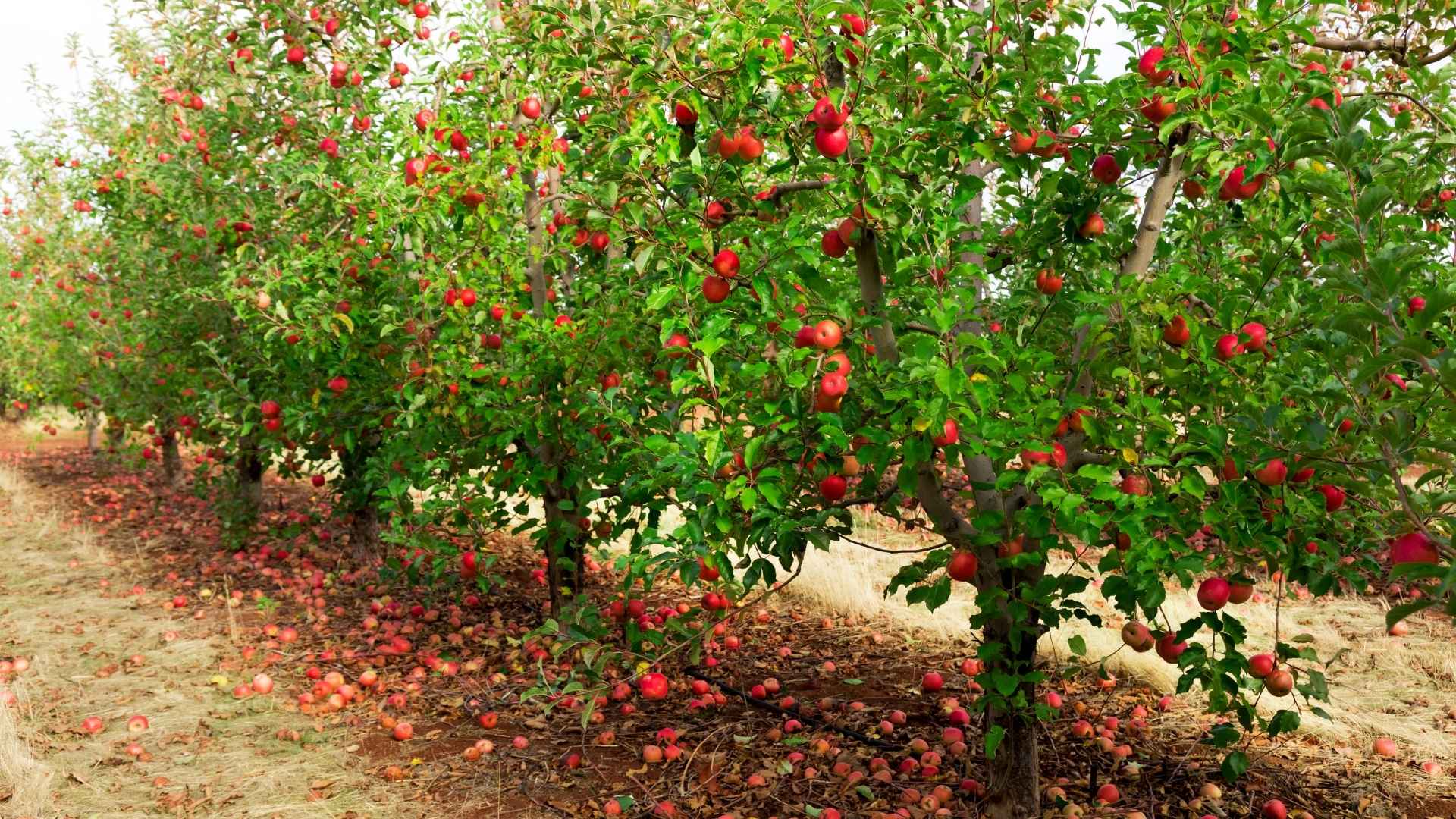
So what can you actually do?
Firstly, make sure you are eating enough fruits and vegetables, only one third of the UK population are eating the daily recommended amount. The daily recommended intake is 5 portions per day, around 400g, but that is a bare minimum. If you can, aim for 10 portions, an amount that has shown to decrease the risk of various diseases like stroke and heart disease.
Beyond that, eat a wide variety of fruits and vegetables, favour seasonal and local where you can, and store produce well. Buy from farmers who care about soil health if and when that's accessible to you. Variety across the week (different colours, roots, leaves, herbs) is a better strategy than hunting down the "most nutrient-dense" version of any single crop.
Fundamentally, however, this is a systemic problem. Healthier soils, diverse crop rotations, cultivars bred for nutrient density as well as yield, and a food system that values flavour and nourishment over shelf life require policy, farming incentives and research investment.
The question of whether our apple is less nutritious than our grandmothers’ is really a question about how we've chosen to organize our food systems, from farm to supermarket shelf, and whether we're willing to do it differently.

Independent fact-checking, funded by readers like you.
Misinformation is a growing threat to our health and planet. At foodfacts.org, we're dedicated to exposing the truth behind misleading food narratives. But we can't do it without your support.
References
- Beach, R. H., Sulser, T. B., Crimmins, A., et al. (2019). "Combining the effects of increased atmospheric carbon dioxide on protein, iron, and zinc availability and projected climate change on global diets: a modelling study."
- BBC News. (2017). "Eat 10-a-day fruit and veg 'saves lives'."
- Bhardwaj, R. L., Parashar, A., Parewa, H. P., & Vyas, L. (2024). "An Alarming Decline in the Nutritional Quality of Foods: The Biggest Challenge for Future Generations' Health."
- Carbone, K., Giannini, B., Picchi, V., Lo Scalzo, R., & Cecchini, F. (2011). "Phenolic composition and free radical scavenging activity of different apple varieties in relation to the cultivar, tissue type and storage."
- Dagfinn Aune, Edward Giovannucci, Paolo Boffetta, Lars T Fadnes, NaNa Keum, Teresa Norat, Darren C Greenwood, Elio Riboli, Lars J Vatten, Serena Tonstad, Fruit and vegetable intake and the risk of cardiovascular disease, total cancer and all-cause mortality—a systematic review and dose-response meta-analysis of prospective studies, International Journal of Epidemiology, Volume 46, Issue 3, June 2017, Pages 1029–1056, https://doi.org/10.1093/ije/dyw319
- Davis, D. R., Epp, M. D., & Riordan, H. D. (2004). "Changes in USDA Food Composition Data for 43 Garden Crops, 1950 to 1999."
- Department for Digital, Culture, Media and Sport (2024), “Healthy eating among adults”
- Foodfacts.org. (2025). "Are Italian apples really six times healthier than American apples? Why the viral claim is misleading."
- Foodfacts.org. (2026). "Modern fruit vs ancestral apples: how the 'not natural' claim stacks up against health outcomes."
- Johns Hopkins Public Health Magazine. (2024). "Less Nutritious Crops, Another Result of Rising CO2."
- Lee, S. K., & Kader, A. A. (2000). "Preharvest and postharvest factors influencing vitamin C content of horticultural crops."
- Marles, R. J. (2017). "Mineral nutrient composition of vegetables, fruits and grains: The context of reports of apparent historical declines."
- Mayer, A. (1997). "Historical changes in the mineral content of fruits and vegetables."
- Mayer, A.-M., Trenchard, L., & Rayns, F. (2022). "Historical changes in the mineral content of fruit and vegetables in the UK from 1940 to 2019: a concern for human nutrition and agriculture."
- National Geographic. "Fruits and vegetables are less nutritious than they used to be."
- NPR. (2006). "Grandma's Veggies May Have Been More Nutritious."
- Scheer, R., & Moss, D. (2011). "Dirt Poor: Have Fruits and Vegetables Become Less Nutritious?" Scientific American.
- ter Haar, S. F., van Bodegom, P. M., & Scherer, L. (2025). "CO2 Rise Directly Impairs Crop Nutritional Quality."




foodfacts.org is an independent non-profit fact-checking platform dedicated to exposing misinformation in the food industry. We provide transparent, science-based insights on nutrition, health, and environmental impacts, empowering consumers to make informed choices for a healthier society and planet.






.svg)


.svg)

