




Have you ever wondered about the life your Christmas turkey had? The story we rarely stop to question




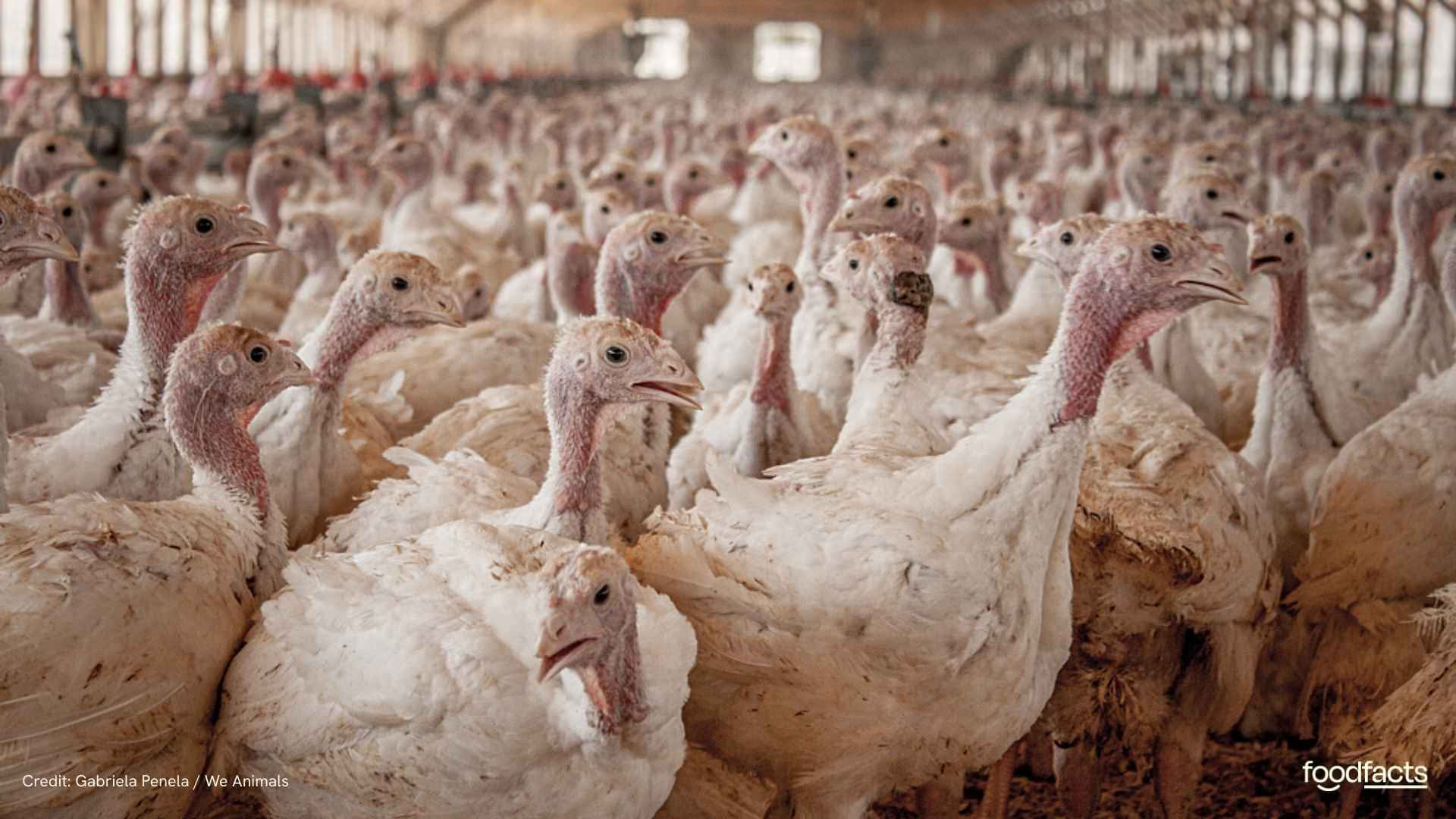
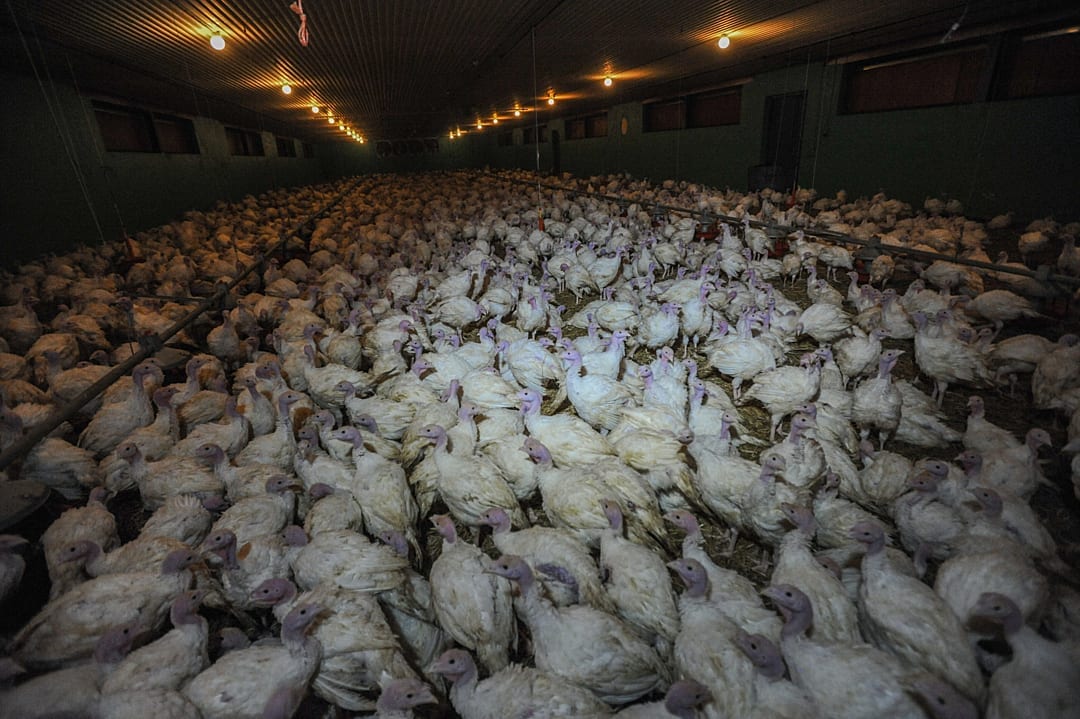
For most Christmas turkeys, life is a brutal affair. The majority of the 10 million turkeys destined for UK Christmas tables are reared in intensive factory farms, confined to crowded, windowless sheds with thousands of other birds. They never roost in trees, dust-bathe in dirt, or feel natural sunlight, activities integral to turkey welfare and behaviour. Instead, they spend their entire lives on concrete floors with minimal enrichment, in a space often barely larger than an A4 sheet of paper per bird.
Undercover investigations by animal welfare organisations have repeatedly documented shocking cruelty inside these facilities. Workers have been filmed punching, kicking and stomping on live turkeys, slamming them against walls and transport trucks, and throwing birds through the air by their wings and necks. In one investigation, a worker stomped on a bird's head until her skull exploded; in another, a turkey was swung against a metal handrail so hard that her backbone popped out. Some workers have been documented wringing birds' necks and leaving them to convulse and die slowly, often simply out of boredom or frustration.
These are not isolated incidents. Investigations at facilities supplying major supermarket chains, including those labelled "humane" or "certified", have led to over 141 criminal charges against workers, the most in any factory farm cruelty case in US history. Multiple workers have pleaded guilty to animal cruelty offences.
Modern meat turkeys are bred to grow so unnaturally fast that their bodies cannot support their own weight. The average turkey now weighs around 30 pounds, nearly double the 17 pounds typical in 1960. Many birds become crippled under their own weight or die from organ failure and heart attacks before they reach six months old. They are so large that they cannot reproduce naturally; all commercial turkeys are conceived through artificial insemination.
Basic legal minimums for turkey farm animal welfare remain troublingly inadequate. There is no requirement for natural light, meaningful environmental enrichment, or deep bedding. Parts of turkeys' toes and beaks are cut off without painkillers to prevent them from injuring each other in the stressful, crowded conditions. Many young birds succumb to "starve-out," a stress-induced condition that causes them simply to stop eating and die.
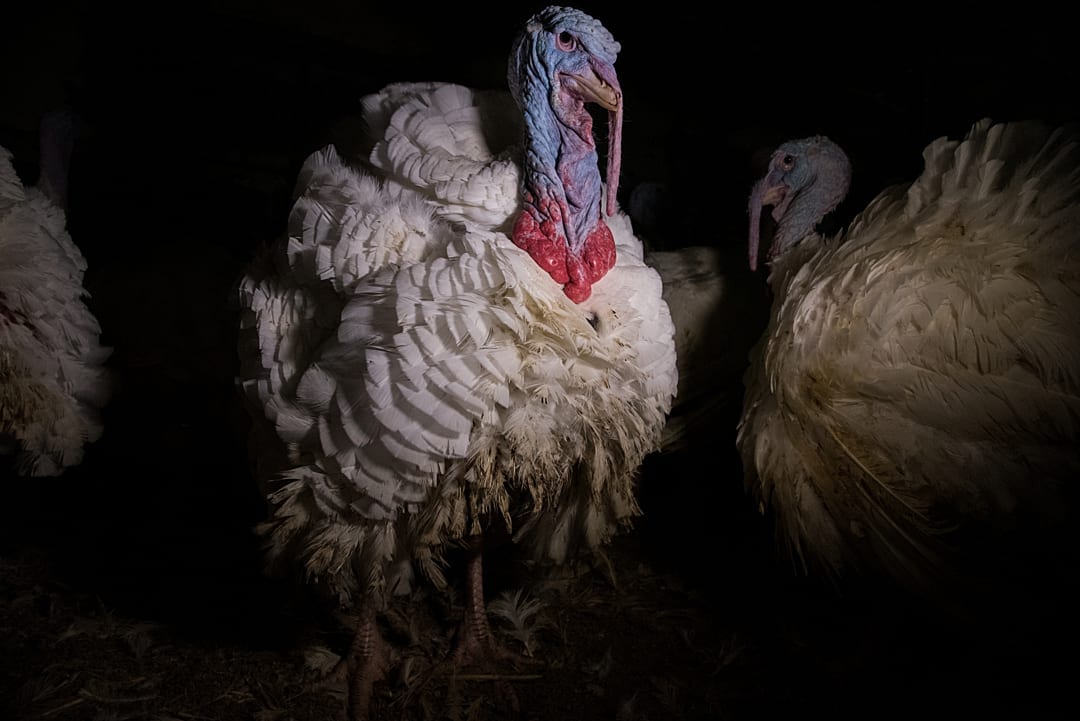
This year, bird flu restrictions mean many turkeys must be housed indoors for disease control, further limiting already scarce opportunities for natural behaviours.
The environmental cost of the Christmas tradition
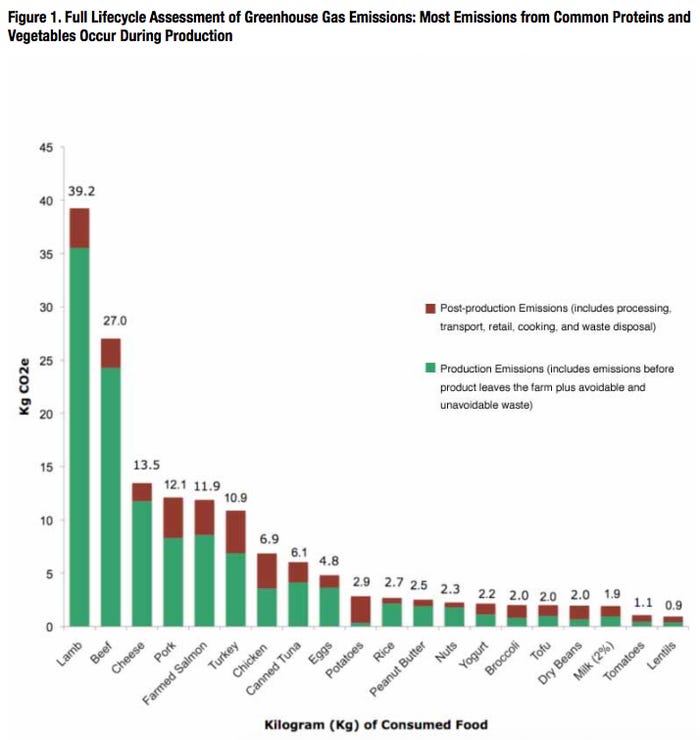
The environmental impact of turkey production extends beyond animal suffering. Producing one kilogram of turkey protein generates significant greenhouse gas emissions, less than beef or lamb, but far more than plant-based options. When you factor in the long, energy-intensive process of roasting a turkey in a conventional oven, the festive bird carries a considerable carbon footprint.
Research from the University of Sheffield estimates that around 61% of food-related greenhouse gas emissions can come from home cooking methods, with long oven roasts a major contributor. In climate terms, one kilogram of meat protein can generate more greenhouse gases than a passenger flying from London to New York.
The plant-based Christmas revolution
This is where Christmas dinner can change for the better.
Plant-based meat alternatives have evolved dramatically. A randomised controlled trial found that swapping some meat for plant-based alternatives modestly improved heart health markers, lowering total cholesterol and LDL cholesterol and slightly reducing body weight and saturated fat intake.
Modern vegan Christmas mains are designed to feel celebratory: mushroom and nut roasts, lentil and chestnut wellingtons, whole stuffed squashes, and vegetable wellingtons can all stand confidently at the centre of the table. For those who prefer convenience, brands like Beyond Meat now publish plant-based festive recipes specifically created to replace or complement turkey.
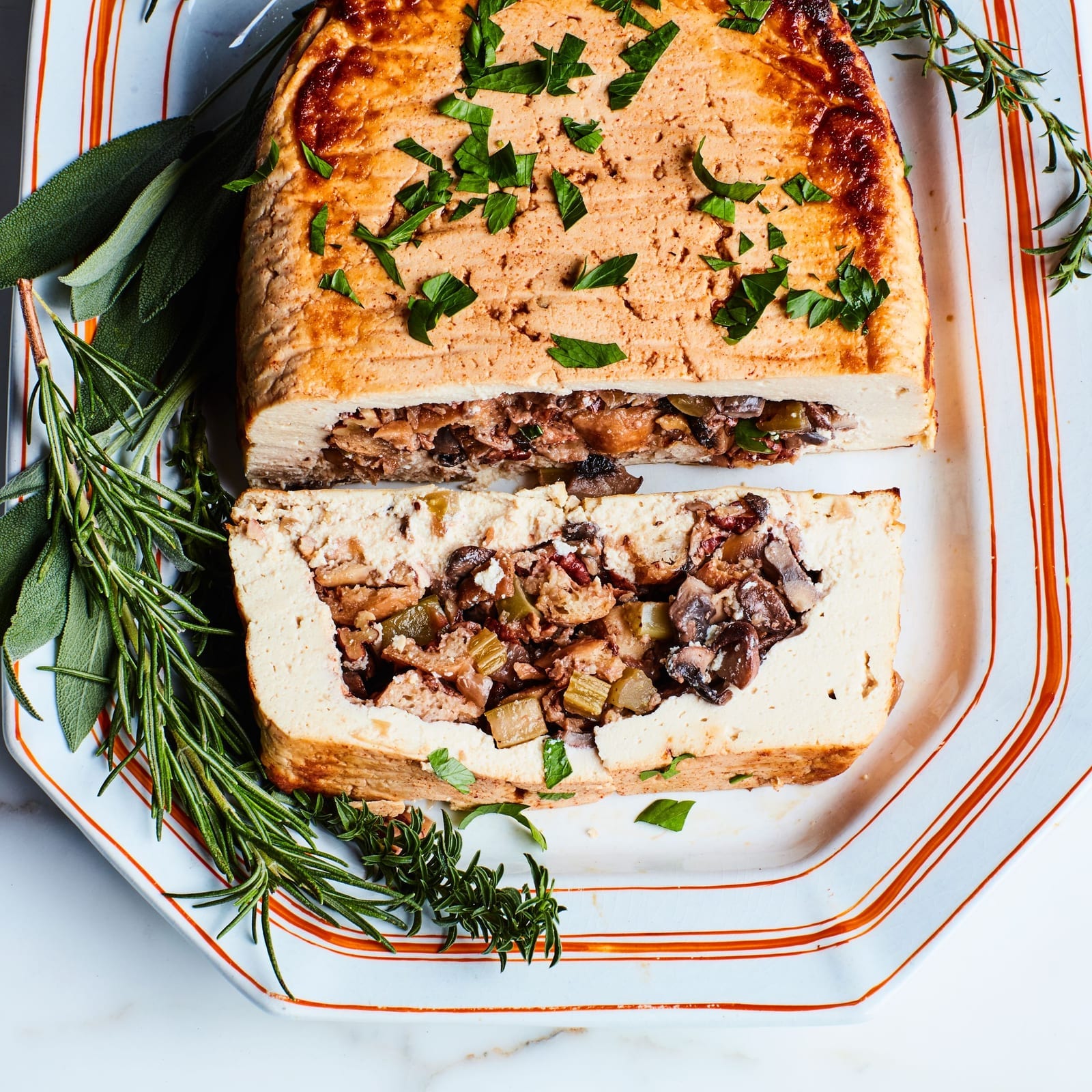
From a health perspective, many plant-based meats contain less saturated fat and no dietary cholesterol, while offering more fibre than conventional meat. The strongest evidence still favours basing most meals on whole or minimally processed plant foods, such as beans, lentils, tofu, nuts, seeds, and vegetables, rather than ultra-processed alternatives.
Why "plant-based" doesn't mean "less festive"
The main barrier to a plant-based Christmas dinner is rarely flavour, it's habit and tradition. Yet tradition deserves scrutiny when it normalises preventable animal suffering and high emissions.
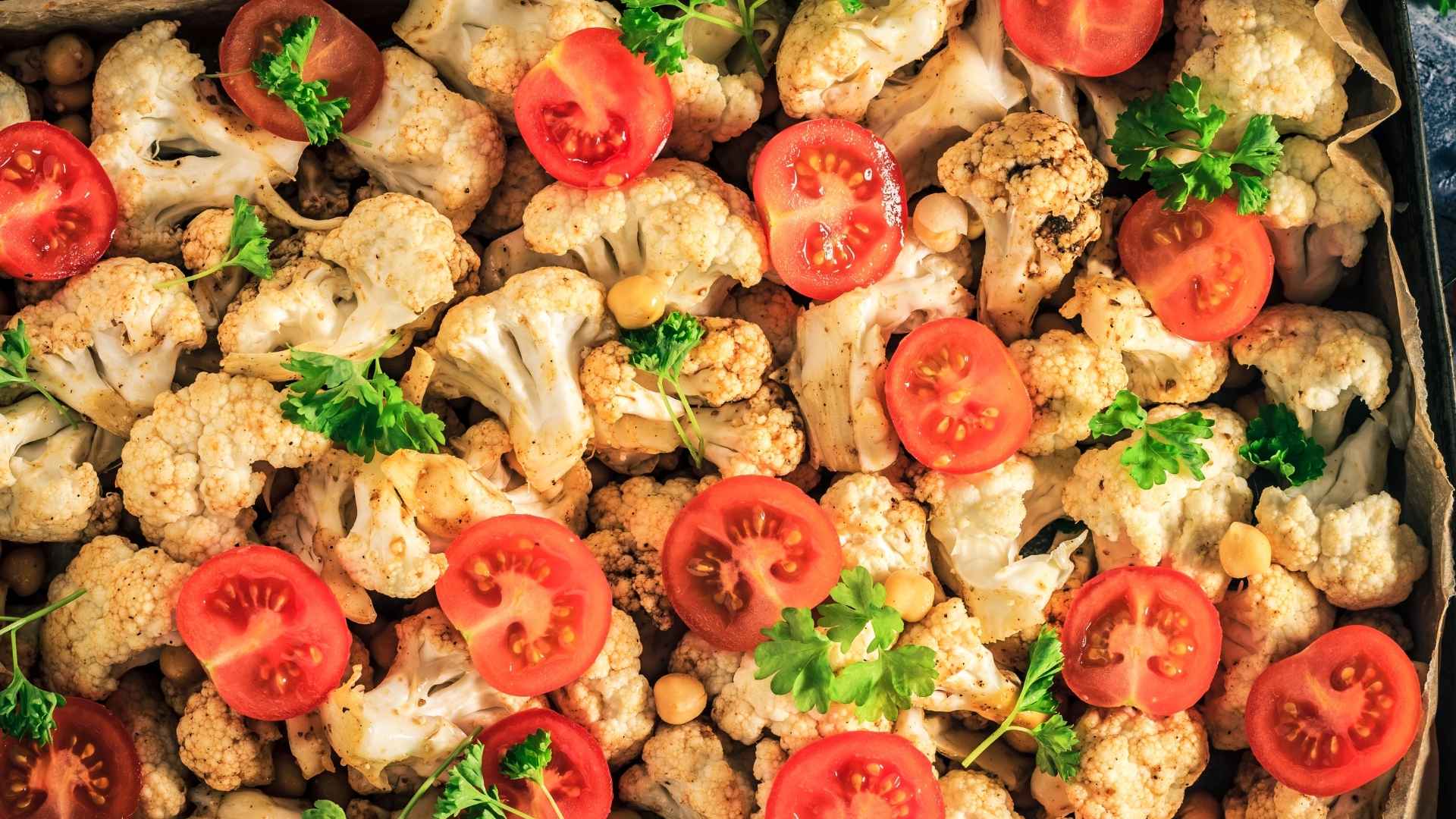
Multiple life-cycle analyses show that shifting from animal products to plant-based alternatives substantially reduces greenhouse gas emissions, land use and water consumption. Even when plant-based options are moderately processed, they generally have a much lower environmental impact than meat.
For those who still enjoy cooking rituals, adopting lower-carbon cooking methods such as pressure cookers or sous vide can cut the energy footprint of festive meals. But the largest impact comes from what sits at the centre of the plate.
If you still choose turkey
If you are not ready to avoid turkey altogether, welfare organisations recommend at least choosing higher-welfare options where possible; birds given more space, better bedding and some environmental enrichment. However, even certified schemes have been found to harbour systematic abuse in undercover investigations, raising questions about whether any label can truly guarantee humane treatment.
Even under improved standards, turkeys are slaughtered at a small fraction of their natural lifespan, and breeding for rapid growth remains a core part of the industry. This is why animal welfare organisations increasingly advocate for a shift towards plant-based Christmas options as the most ethical choice.
If you do choose to eat turkey, then ensure that you do not waste it. Around 263,000 turkeys are thrown away over Christmas, marking not only a wasted life of suffering, but also further increasing their carbon footprint.
Moving toward a kinder Christmas
The evidence is consistent: choosing plant-rich festive meals is one of the most impactful ways to reduce the animal suffering and environmental footprint woven into Christmas tradition. It does not require sacrificing joy, flavour, or the sense of occasion, only a willingness to let new traditions in.
This year, consider making a plant-based centrepiece and treating any turkey, if you serve it at all, as a small side rather than the main event. Your plate can still be full, colourful, and deeply satisfying, just with far less harm behind it.
The life of a Christmas turkey no longer has to be the centre of your celebration.

Independent fact-checking, funded by readers like you.
Misinformation is a growing threat to our health and planet. At foodfacts.org, we're dedicated to exposing the truth behind misleading food narratives. But we can't do it without your support.
Sources
- Beyond Meat. (4 December 2024). Meatless Christmas Dinner Recipes | Vegan Xmas. Beyond Meat.
- Business Waste (n.d.). Christmas Waste Facts – It’s Not Very Jolly
- Compassion in World Farming. (n.d.). Turkeys. Compassion in World Farming.
- FoodFacts.org. (18 December 2025). Are plant-based meat alternatives good for cholesterol? FoodFacts.org.
- Forbes (25 November 2024). Thanksgiving Turkeys Rack Up Miles And CO2 Before We Eat Them
- PETA. (2 November 2024). Turkeys: Torture on the Holiday Table. PETA.
- PETA. (22 July 2025). Ex-Plainville Turkey Abusers Plead Guilty in Court. PETA Investigations.
- PETA. (n.d.). The Turkey Industry. PETA.
- PETA (n.d.). Butterball’s House of Horrors: A PETA Undercover Investigation
- RSPCA. (31 May 2023). Turkey welfare and behaviour. RSPCA.
- Sheffield University. (19 November 2024). Can your Christmas dinner help save the planet? University of Sheffield.
- The Humane League (2 November 2022. Turkey Factory Farming: How and Why Turkeys Are Farmed
- Vegan Food and Living. (10 December 2025). 21 healthy, veg-centric vegan Christmas mains without mock meats. Vegan Food and Living.



foodfacts.org is an independent non-profit fact-checking platform dedicated to exposing misinformation in the food industry. We provide transparent, science-based insights on nutrition, health, and environmental impacts, empowering consumers to make informed choices for a healthier society and planet.






.svg)


.svg)

