
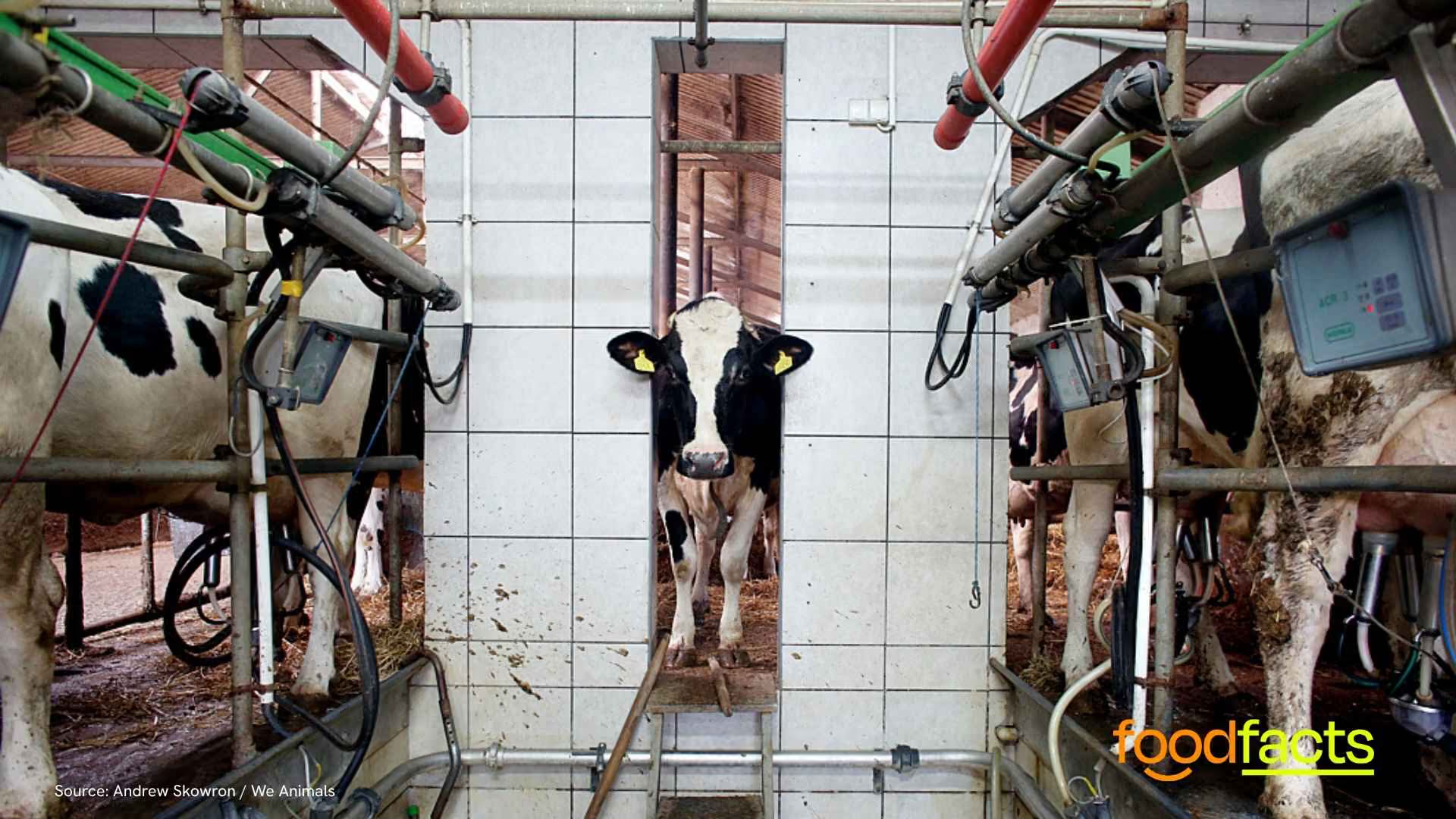




The UK's factory farming loophole: why mega dairies face less scrutiny than chicken sheds




A new investigation has revealed that the number of intensive dairy farms in the UK, where cows are kept permanently indoors with no access to outdoor grazing, has more than doubled in a decade. The findings raise urgent questions about animal welfare, environmental accountability, and who is really paying the price for cheap milk.
.jpg)
What the investigation found
Research by the Bureau of Investigative Journalism identified nearly 180 so-called "battery cattle" farms across the UK, up from around 70 in 2015. To put that in context, the average UK dairy herd is just 175 cows. These operations house more than 700 animals each, and more than 40 qualify as "mega dairies" holding upwards of 2,600 cows.
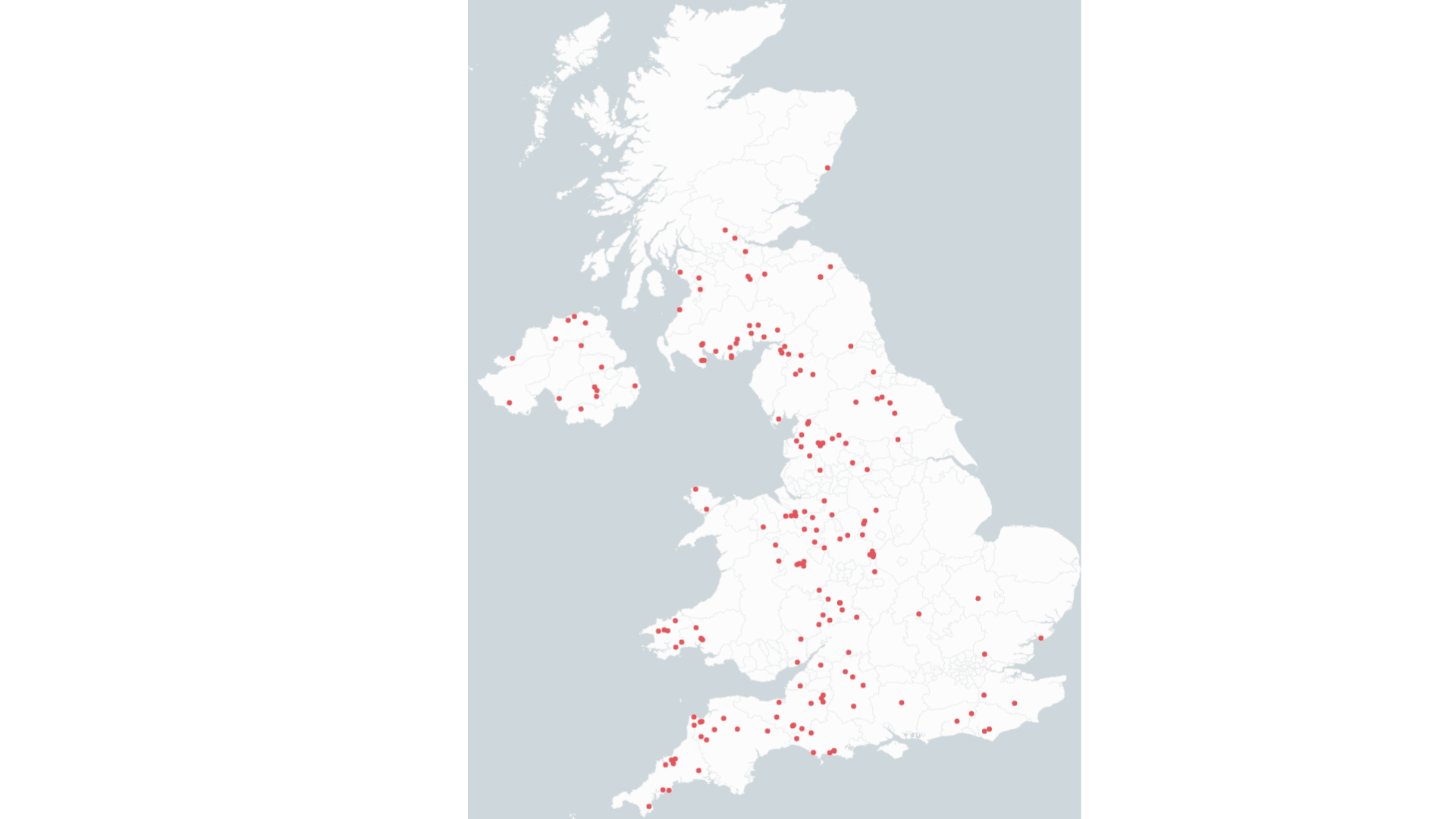
The investigation used public records, satellite images, and drone footage to build the picture, because the UK government doesn't keep an official register of large-scale dairy farms. That's because, unlike intensive pig and poultry units, large dairy and beef farms are not required to hold environmental permits. There is no legal obligation to disclose how many exist, or where.
The supermarket squeeze
The financial pressure driving this shift is stark. Dairy farmers currently receive between 32p and 35p per litre of milk, while the cost of production sits at 42p–49p per litre. That means the average UK dairy farmer is losing around 10p on every litre sold, with higher costs for feed, fuel, and fertiliser squeezing margins further.
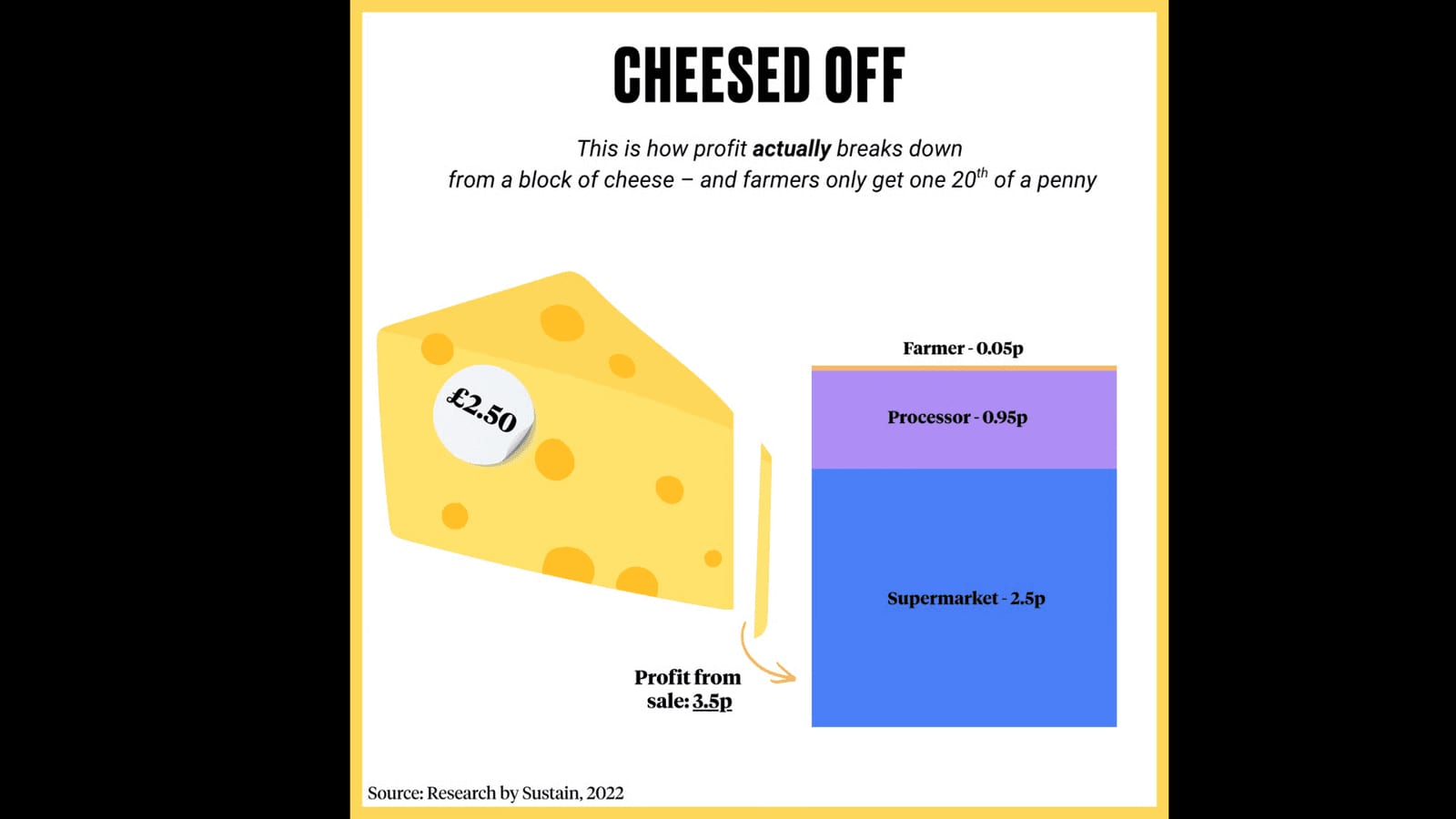
Supermarkets have kept retail milk prices low while procurement prices have fallen sharply. As the Bureau's parallel investigation found, this supermarket price squeeze has left farmers dangerously exposed to global commodity swings, with little buffer to absorb losses. Farmers are responding by scaling up and keeping cows indoors year-round to drive volume and cut costs, not because it's better farming practice, but because the economics leave few alternatives.
A welfare and pollution blind spot
The welfare implications are significant. Cows kept permanently indoors cannot graze, engage in natural behaviours, or access pasture. Compassion in World Farming and other animal welfare organisations have consistently flagged that housing intensity is linked to lameness, mastitis, and stress in dairy cattle.
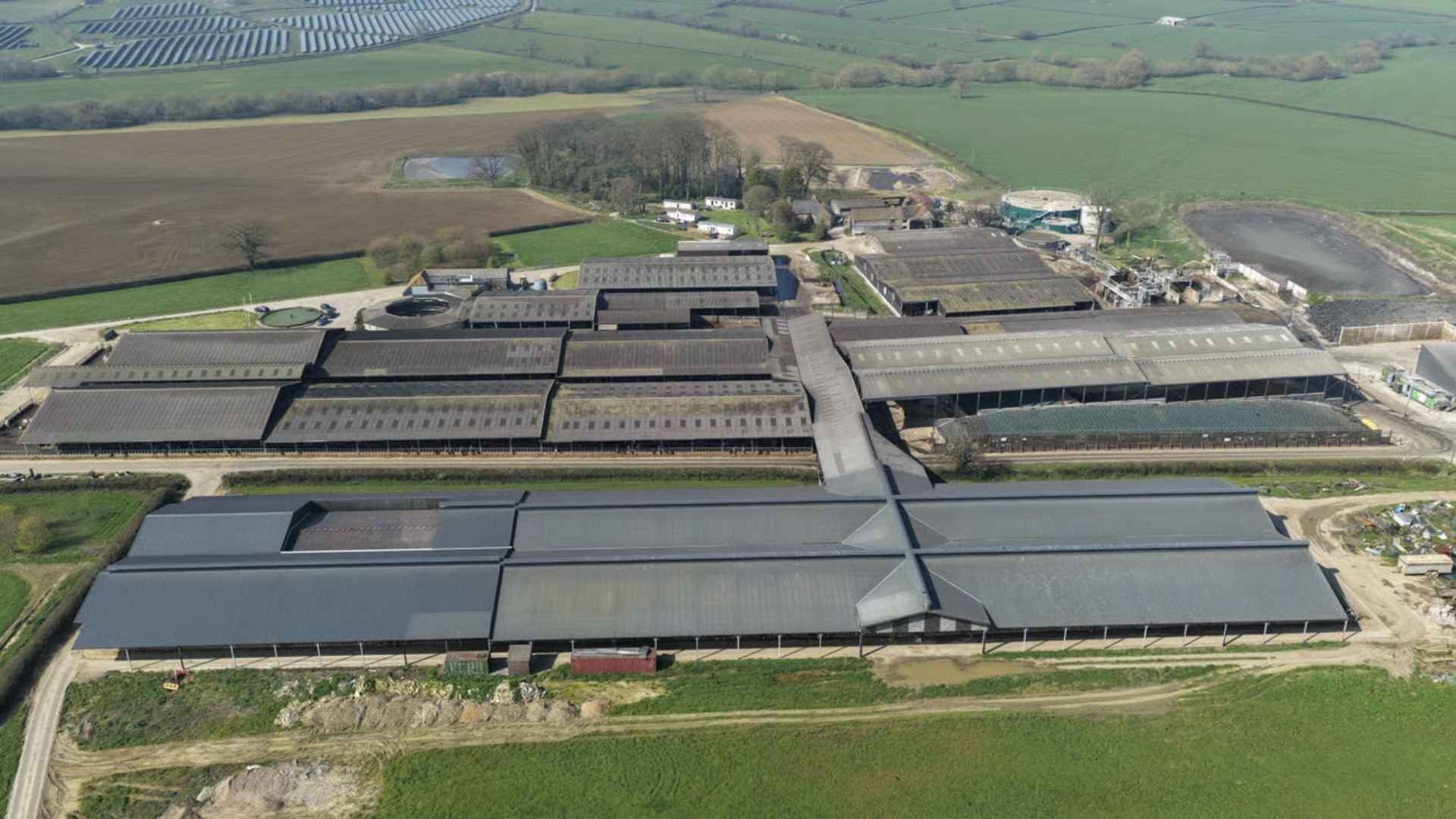
The environmental picture is just as troubling. The investigation found 450 pollution incidents connected to beef and dairy farms in England in recent years, compared to 123 incidents linked to poultry and pig farms. Nearly one in five of the largest dairy units had been linked to pollution. River Action UK has called for environmental permitting to be extended to beef and dairy operations as a minimum step.
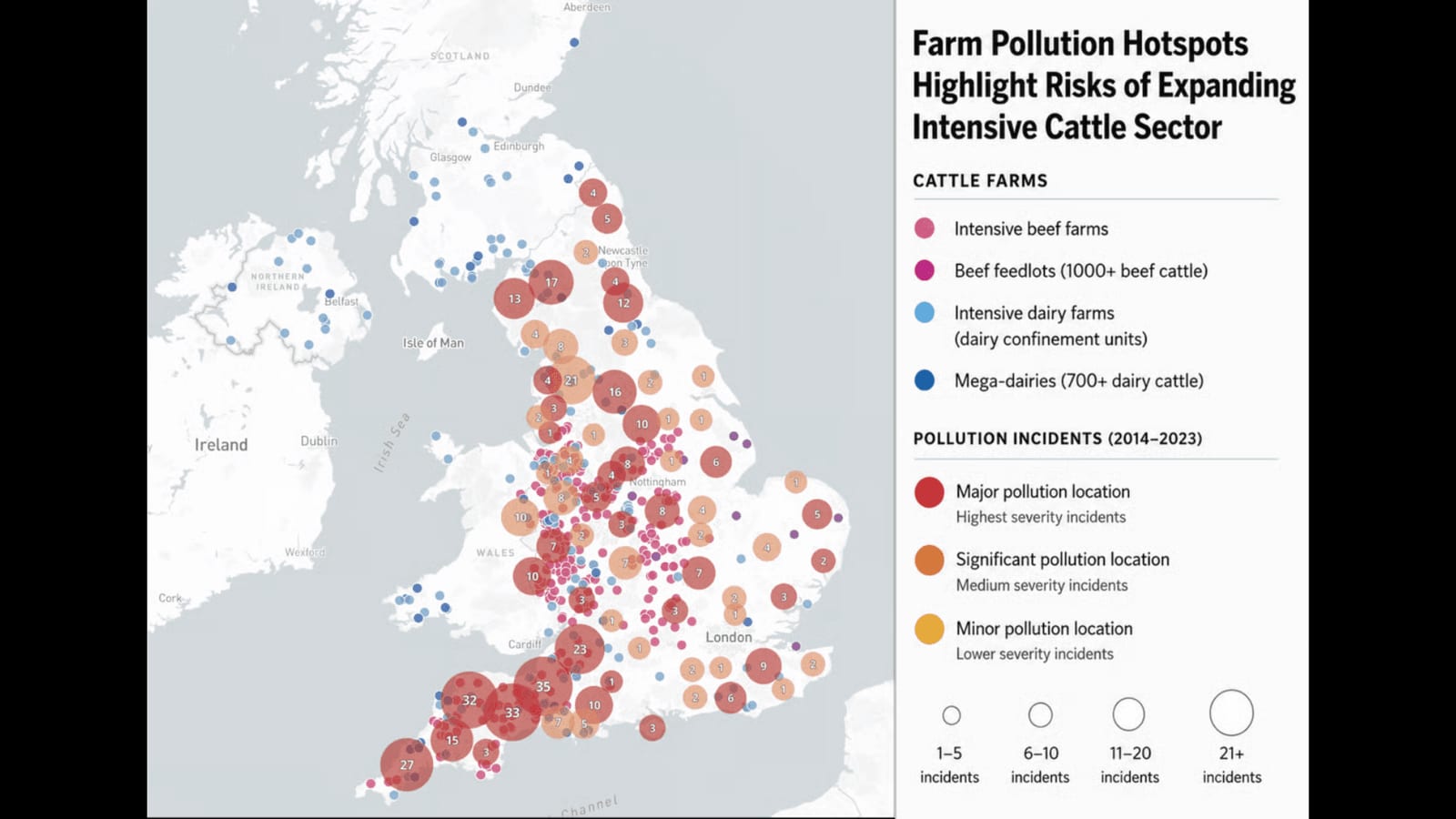
The regulatory gap
The UK government has signalled it may close the permitting loophole, but no binding legislation is yet in place. Intensive poultry and pig farms are already regulated under environmental permit requirements. The fact that dairy operations of 2,600 cows sit entirely outside that framework is a gap that campaigners say has allowed the industry to grow without proper scrutiny.
Brands including Arla, Müller, and Anchor have been linked to supply chains that include farms identified in the investigation. That connects what happens in a zero-grazing unit in Devon or Cheshire directly to the products on supermarket shelves.
What this means for consumers
The rise of battery cow farming in the UK isn't simply a story about animal welfare or environmental regulation in isolation. It's the downstream result of a broken pricing model that rewards volume over welfare and obscures the true cost of producing milk. Until procurement practices change and regulatory oversight catches up with farm scale, the pressure to industrialise will continue.

Independent fact-checking, funded by readers like you.
Misinformation is a growing threat to our health and planet. At foodfacts.org, we're dedicated to exposing the truth behind misleading food narratives. But we can't do it without your support.
Sources
- BBC News (27 May 2026). Farmers warn of 'no future' as milk prices fall below cost.
- Compassion in World Farming (n.d.) Dairy cows
- River Action (n.d.) End Dirty Dairy
- The Bureau of Investigative Journalism (26 May 2026). 'Battery cattle' farms surge in UK as Big Dairy rakes in profit. thebureauinvestigates.com
- The Bureau of Investigative Journalism (26 May 2026). ‘We don’t set the price, we take it’: price squeeze leaves dairy farmers struggling to survive
- The Guardian (26 May 2026). Huge rise in factory-style dairy farming of ‘battery cows’ in UK as costs rise



foodfacts.org is an independent non-profit fact-checking platform dedicated to exposing misinformation in the food industry. We provide transparent, science-based insights on nutrition, health, and environmental impacts, empowering consumers to make informed choices for a healthier society and planet.






.svg)


.svg)

