





Hydration myths about salt, electrolytes and tap water – and what to do instead


Dave Asprey claims that water without added electrolytes is unhealthy because it dilutes the body’s salt balance, reducing brain and physical performance, while drinking mineralised or salt water improves hydration efficiency and overall function. The speaker also claims that tap water is potentially toxic and therefore should be filtered.
Let’s check those claims against the evidence available on hydration, health and well-being.



The body does rely on electrolytes for a range of functions such as fluid balance or muscle contraction, especially during periods of heavy sweating or illness. But for most people who are eating a healthy and balanced diet, water is sufficient for hydration and electrolytes are not needed. Drinking a couple of glasses of water does not usually impair cognition or dangerously dilute cells. Electrolyte-containing fluids become more relevant when there are significant sodium and fluid losses, such as prolonged exercise in the heat, heavy sweating, vomiting, or diarrh
Hydration myths online can push people towards unnecessary salt intake or expensive electrolyte products. Similar claims have recently circulated on popular podcasts and social media, including discussions about ‘structured’ or ‘electrolyte‑only’ water on shows such as Mayim Bialik’s, which adds to public confusion about what safe, adequate hydration actually looks like.


Claim 1: “Water without added electrolytes dilutes the salt in your body’s cells and impacts performance”
Fact-check: Plain water is generally sufficient for hydration in everyday life and most exercise. Electrolytes become important mainly during long, hard exercise in hot conditions, heavy sweating or illness with vomiting or diarrhoea. The claim takes this niche physiological risk into a broad rule which gives a misleading impression.
Electrolytes like sodium, potassium and magnesium help with fluid balance, nerve signalling and muscle function. In specific circumstances, for example prolonged sweating during endurance exercise or gastrointestinal issues, the body loses both water and electrolytes. In those contexts, replacing fluids and electrolytes can help maintain hydration and support performance or recovery.
Exercise-associated hyponatraemia is a real condition that can happen if someone drinks too much low-sodium fluid during long endurance exercise (like plain water). In that situation, sodium levels in the blood can drop too low which can be dangerous. However, this mainly affects endurance athletes under extreme conditions and not the average person drinking water throughout the day.
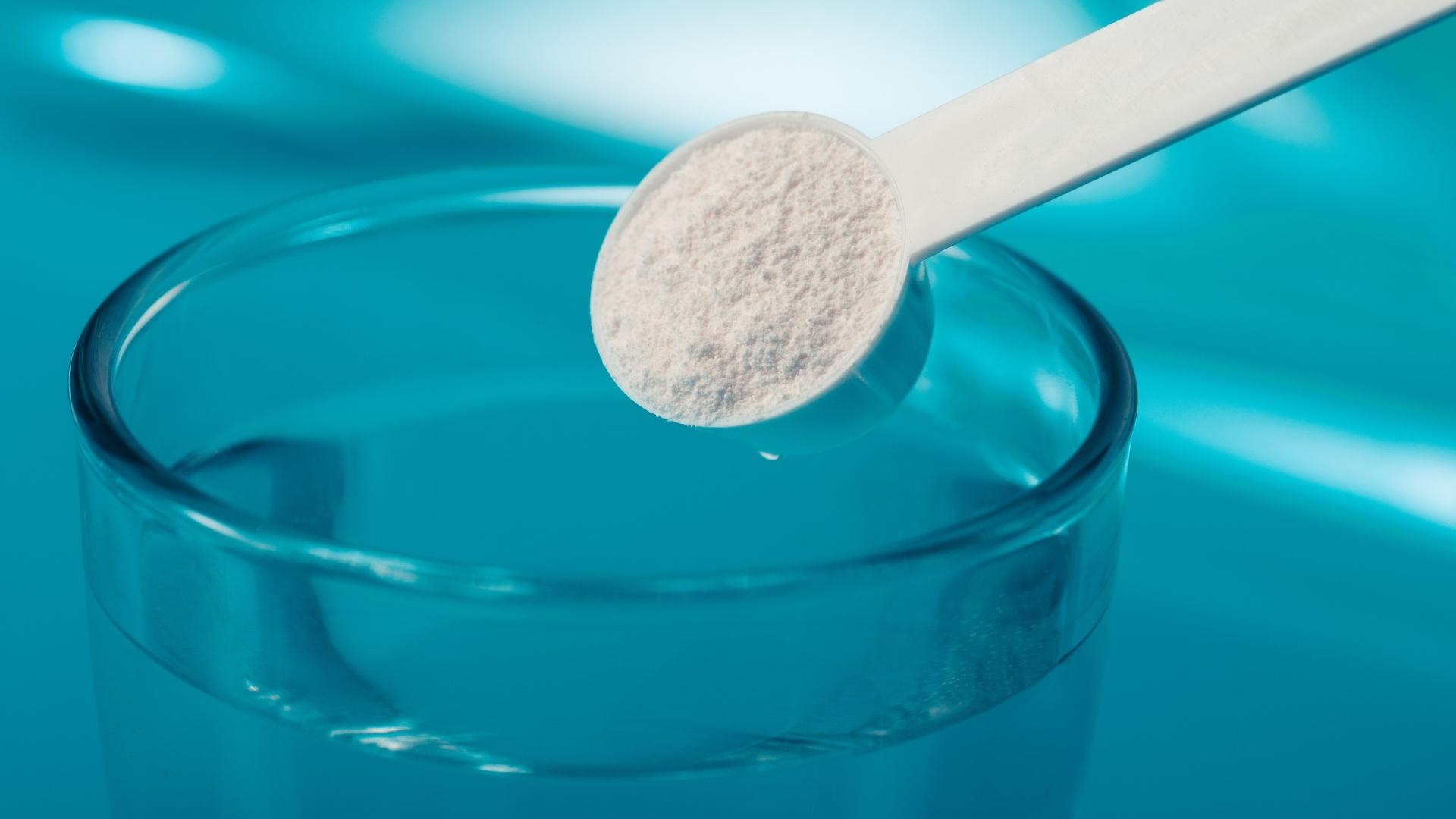
When it comes to performance more broadly, there is research that shows that dehydration (often around 2% or more of body weight lost as fluid) can impair both endurance and cognitive performance. However, this does not mean that plain water harms performance or that electrolyte drinks are always superior.
Dave Asprey is speaking to a general audience, not a group of endurance athletes, which is part of what makes this framing misleading. For most people, doing normal daily activities or moderate exercise, plain water is enough because they are likely already getting enough sodium and other electrolytes from food. Electrolyte drinks are most useful when a person has lost substantial amounts of fluid and sodium, not as a universal hydration upgrade.
Finally, the phrase “dilute the salt in your body’s cells” is an oversimplification. What matters is the concentration of sodium in the body’s fluids, especially in the blood. In healthy people, the kidneys are effective at regulating water and sodium levels within a very tight range even when fluid intake varies.
Expert comment from Dr Minil Patel: Exercise-induced hyponatraemia is rarely seen in the general population but can occur in endurance athletes competing in marathons, ultra-marathons or triathlons if one overconsumes fluids to the point that exceeds the body’s ability to remove the fluid from the system. For the average person doing their daily exercise, hydrating with plain water is perfectly fine. Your body is smarter than you think.

Claim 2: “Salt is good for you”
Fact-check: This claim is misleading. Salt is essential in very small amounts, but the claim ignores strong evidence that most people already consume more sodium than recommended and excess intake is linked to higher blood pressure and cardiovascular disease.
While salt is essential for your body to function, “essential” does not mean “more is better”.
Most people in high-income countries already consume well above the recommended levels of salt. Public health guidance in the U.K. advises adults to eat no more than 6g of salt a day, while the average adult intake is around 8.4g a day.
This matters because decades of evidence link high salt intake with higher blood pressure, a large risk factor for heart disease and stroke. Major organisations including the World Health Organization, the NHS, and the British Heart Foundation all recommend reducing excess salt consumption for population health.
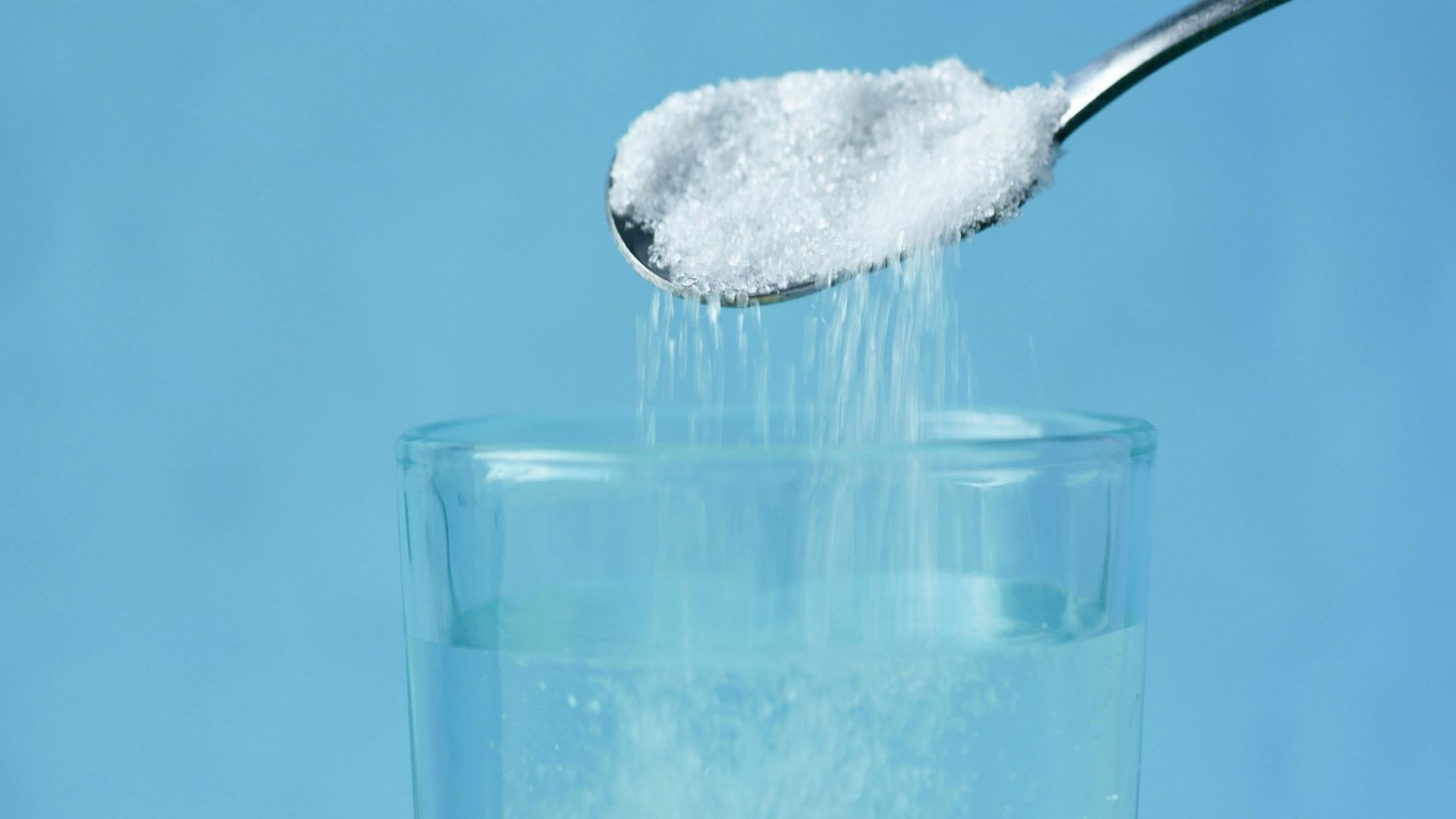
Some online wellness figures like Dave Asprey argue that modern fears around salt are exaggerated or outdated. While there is ongoing scientific debate about the ideal sodium range for every individual, the broader evidence still supports reducing excessive intake at a population level, especially for people with hypertension or cardiovascular risk factors.
What is often missing from influencer discussions is context: athletes training intensely in heat have different sodium needs from sedentary office workers. Someone losing large amounts of sweat may benefit from electrolyte replacement, while the average person likely does not need extra salt added to drinking water.
It’s also important to mention that Asprey promotes specific salt and electrolyte products, including brand collaborations and affiliated-linked recommendations. In the video caption he tags a salt company, which creates a clear commercial incentive to encourage salt use beyond what most people need.
Expert comment from TJ Waterfall: While sodium is essential for life, average salt intakes in high-income countries are typically above recommended levels. Adding extra salt to drinking water is unlikely to provide benefits for most individuals and may simply increase intake of a nutrient that public health authorities continue to identify as a concern for population health
Expert comment from Dr Minil Patel: Blanket claiming that salt is good for you is terribly misleading. Whilst sodium is essential for the body, excess consumption of salt not only increases water retention worsening hypertension, but high salt foods have been shown to be linked to the development of stomach cancer. Excess sodium intake also increases urinary calcium excretion, which can cause kidney stones as well as reduction in bone calcium content leading to osteoporosis.

Claim 3: “Tap water is toxic, so you should always filter it”
Fact-Check: The claim that “tap water is toxic” is overstated. In most developed countries, tap water is heavily regulated and generally safe to drink.
In the U.K., tap water meets strict regulatory standards set by the Drinking Water Inspectorate. Over 99.96% of samples meet safety standards, and water is tested daily for contaminants including bacteria and heavy metals.
While localised issues can occur (such as lead leaking from old pipes in certain homes), these do not make tap water “toxic”. Water utilities are legally required to meet standards for dozens of contaminants, and the system is designed with multiple barriers to protect public health.
.jpg)
Although tap water is safe, some people choose to filter for personal preference (order and taste) or to reduce trace levels of certain substances (homes with lead or copper pipes). Filtration is a reasonable, personal choice but it is not altogether necessary for safety for the vast majority of people drinking regulated tap water in the U.K.
Asprey’s blanket claim that tap water is “toxic” ignores the robust regulatory framework and monitoring that protects public water supplies in developed countries. Calling safe, regulated water “toxic” is misleading and can create unnecessary fear and expense.
Asprey has also commercially promoted water filtration products, including through discount codes and recommendations to his audience. Whenever health influencers promote products they discuss, it's worth considering whether financial incentives may exist and what conflicts of interest they may introduce.
Bottom line
Electrolytes play an important role in nerve signalling, muscle function, and fluid balance, but for most people, plain water and a balanced diet provide everything the body needs. Claims that ordinary water “dilutes your cells” or harms cognitive and physical performance exaggerate a real physiological concept into an unnecessary scare story. In reality, dangerously low sodium levels are rare and typically occur only in extreme situations, such as endurance events combined with excessive water intake, not from normal daily hydration.
Salt is essential in small amounts, but most people already eat more than enough. High intakes of salt are associated with high blood pressure and cardiovascular risk, so it is important to minimise excessive salt intake.
Similarly, filtering water can be sensible for specific local concerns such as old lead pipes, private wells, or temporary contamination advisories — but sweeping claims that tap water is inherently “toxic” ignore the strict regulation and monitoring standards in most developed countries and may promote unnecessary fear.
The practical takeaway is: drink water when you’re thirsty, eat a varied and balanced diet, use electrolyte drinks when you’re losing significant amounts of sweat and salt, and only test or filter your water if there’s a legitimate local reason to do so or you have a personal preference. Don’t mistake niche sports-science scenarios or wellness marketing for universal health advice.
We contacted Dave Asprey and have reviewed the sources he sent; we’ve updated the article added clarifications where needed.
Disclaimer
This fact-check is intended to provide information based on available scientific evidence. It should not be considered as medical advice. For personalised health guidance, consult with a qualified healthcare professional.
Independent fact-checking, funded by readers like you.
Misinformation is a growing threat to our health and planet. At foodfacts.org, we're dedicated to exposing the truth behind misleading food narratives. But we can't do it without your support.
Sources:
- National Academies Press. (2019). “Dietary Reference Intakes for Water, Potassium, Sodium, Chloride, and Sulfate.”
- British Dietetic Association. (2020). “Sport and exercise nutrition.”
- NHS. (2023). “Dehydration.”
- National Academies Press. (2020). “Food and Nutrition Board — Hydration: Current Knowledge and Research Recommendations.”
- Ardó, P. et al. (1999). “Water balance and hydration status in athletes.”
- NHS. (2024). “Water, drinks and nutrition.”
- National Academies Press. (2018). “Water: Health Effects and Safety.”
- Cintineo, H. et al. (2022). “Hydration for performance in sport: a physiological review.”
- World Health Organization. (2023). “Sodium reduction.”
- British Heart Foundation. (2026). “Brits eat the equivalent of 22 bags of crisps of salt daily.”
- Popkin, B. M. et al. (2019). “Water, hydration, and health.”
- NHS. (2024). “Salt in your diet.”
- British Heart Foundation. (n.d.). “Reducing the UK’s salt intake.”
- O’Donnell, M. et al. (2020). “Association of sodium intake with cardiovascular disease.”
- Drinking Water Inspectorate. (2026). “Drinking-water standards and regulations.”
- Department for Environment, Food & Rural Affairs. (2023). “Drinking Water Quality in England: A triennial report 2020 to 2022.”
- WaterAid. (2016). “The role of tap water in public health.”


foodfacts.org is an independent non-profit fact-checking platform dedicated to exposing misinformation in the food industry. We provide transparent, science-based insights on nutrition, health, and environmental impacts, empowering consumers to make informed choices for a healthier society and planet.








.svg)


.svg)

