
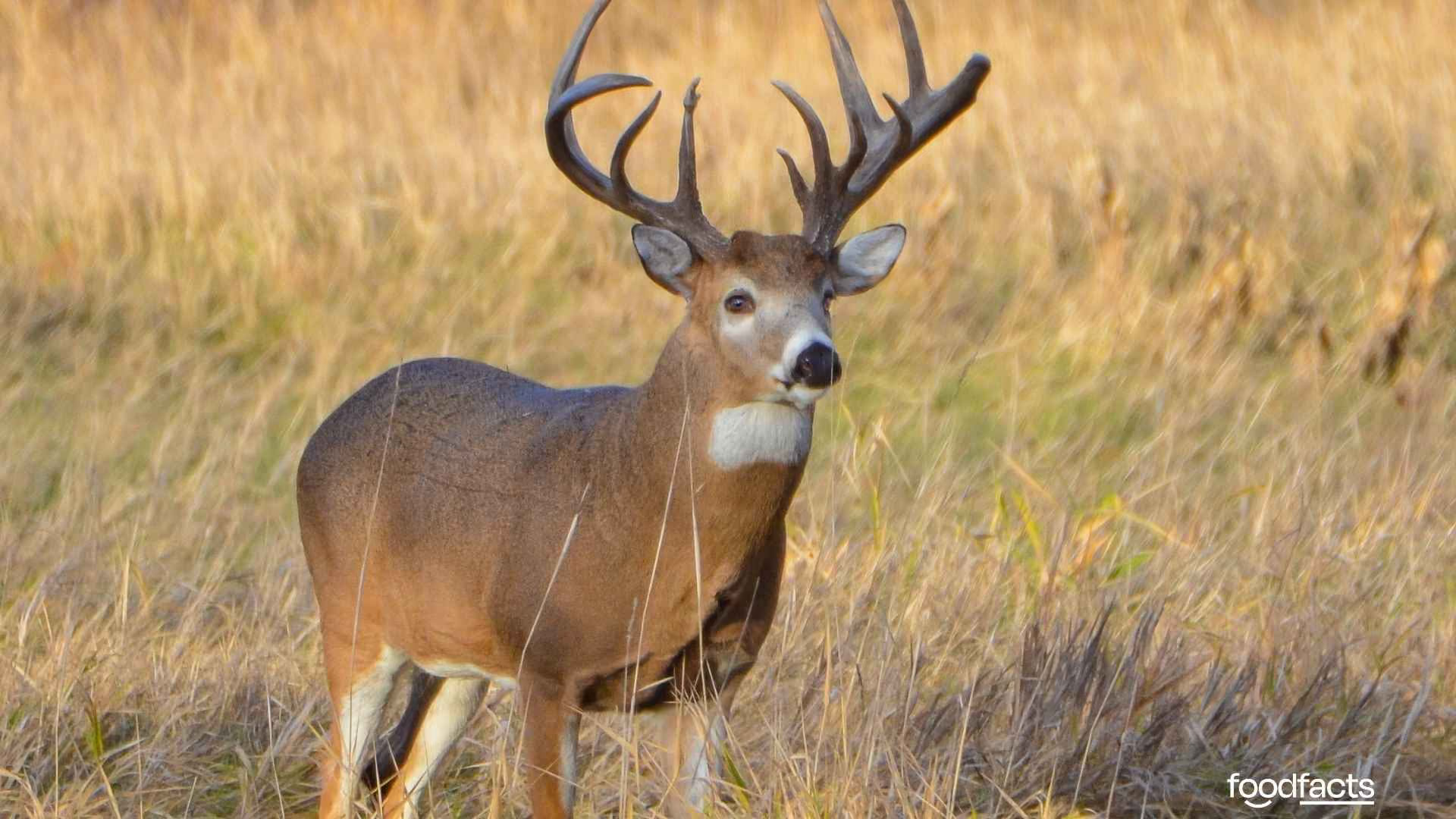




How UK stadiums are replacing beef burgers with wild venison — and cutting carbon emissions by 85%




Beef burgers are being quietly dropped from some of the UK's biggest sports stadiums and replaced with wild venison, and the catering company behind the move says this swap could cut burger-related carbon emissions by around 85%. For fans, the early evidence suggests taste is holding up too, with clubs like Brentford reporting that supporters actually prefer the new venison option.
UK stadiums are replacing beef with wild venison burgers
Levy UK, a major stadium catering company, is rolling out wild venison burgers at over 20 venues in the UK and Ireland, including Brentford FC, Wolverhampton Wanderers, Twickenham, The Oval and large arenas such as The O2 and NEC. As part of this shift, traditional beef burgers are being removed from many of these menus and replaced with British wild venison.
According to Levy and its partners, wild venison has up to an 85% lower carbon footprint per kilogram than beef, with the potential to save roughly 1,182 tonnes of CO₂e a year by swapping an estimated 54 tonnes of beef burgers for venison. This is happening in a context where beef is already recognised as one of the highest-emitting foods per gram of protein, far above most plant-based foods and significantly higher than other meats.
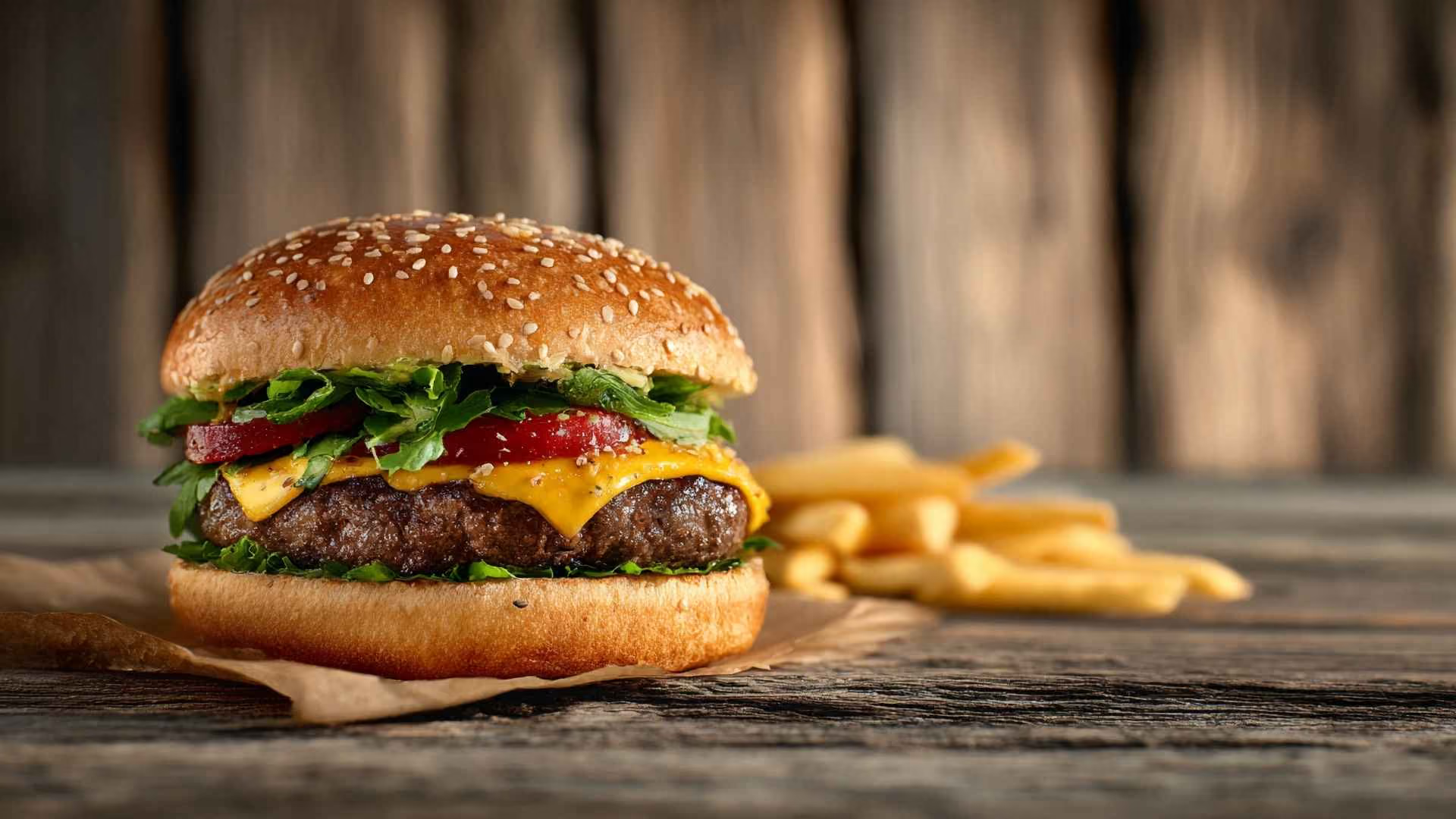
Why does beef have such a high carbon footprint.
Beef stands out in climate terms because cattle produce large amounts of methane, require extensive land, and are often linked to deforestation and high resource use. Analyses collated in existing foodfacts.org work estimate that producing 1 kg of beef protein can emit around 300 kg of greenhouse gases, while grazing animals use a disproportionate share of land for a relatively small share of global protein.
Even in regions with more efficient systems, such as Western Europe, beef still carries a substantial footprint, with estimates around 18 kg CO₂e per kg of carcass weight, compared with much higher figures in some other regions. Articles like foodfacts.org's explainer on what "grass-fed" really means also highlight that many supposedly "better" beef systems still carry high emissions, and sometimes even higher footprints than grain-fed beef when land use is included. All of this makes substituting beef a key climate lever -- either with lower-impact animal products or, better yet, plant-based foods.
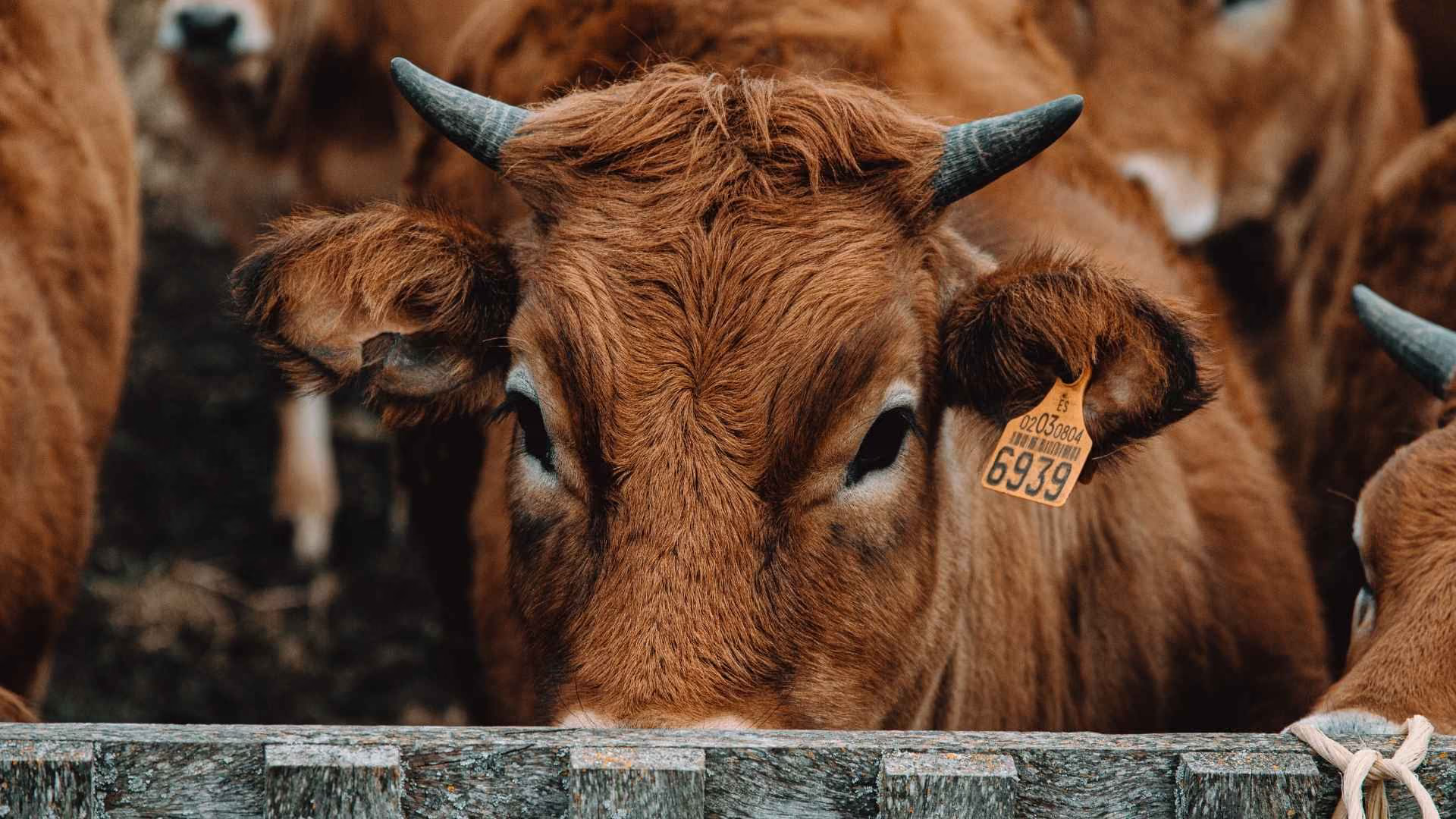
Wild venison vs beef: why venison has 85% lower emissions
Wild venison used in this stadium initiative comes from deer populations that are already being culled in the UK due to lack of natural predators and ecological impacts such as damage to woodland regeneration and crops. Organisations working with Levy argue that using this meat makes use of an existing by-product of wildlife management, rather than expanding farmed livestock production.
Because the deer are not farmed in intensive systems, wild venison avoids many high-impact inputs associated with beef, such as fertiliser-intensive feed, additional land clearance and high water inputs for feed crops.
Levy and partner organisations claim that, as a result, wild venison burgers have a much smaller carbon footprint, reduce water pollution from agriculture, and can support biodiversity by aligning with sustainable deer management plans. However, independent assessments note that the exact emission savings depend on how system boundaries are drawn, so the 85% figure should be seen as an estimate rather than a universal constant.
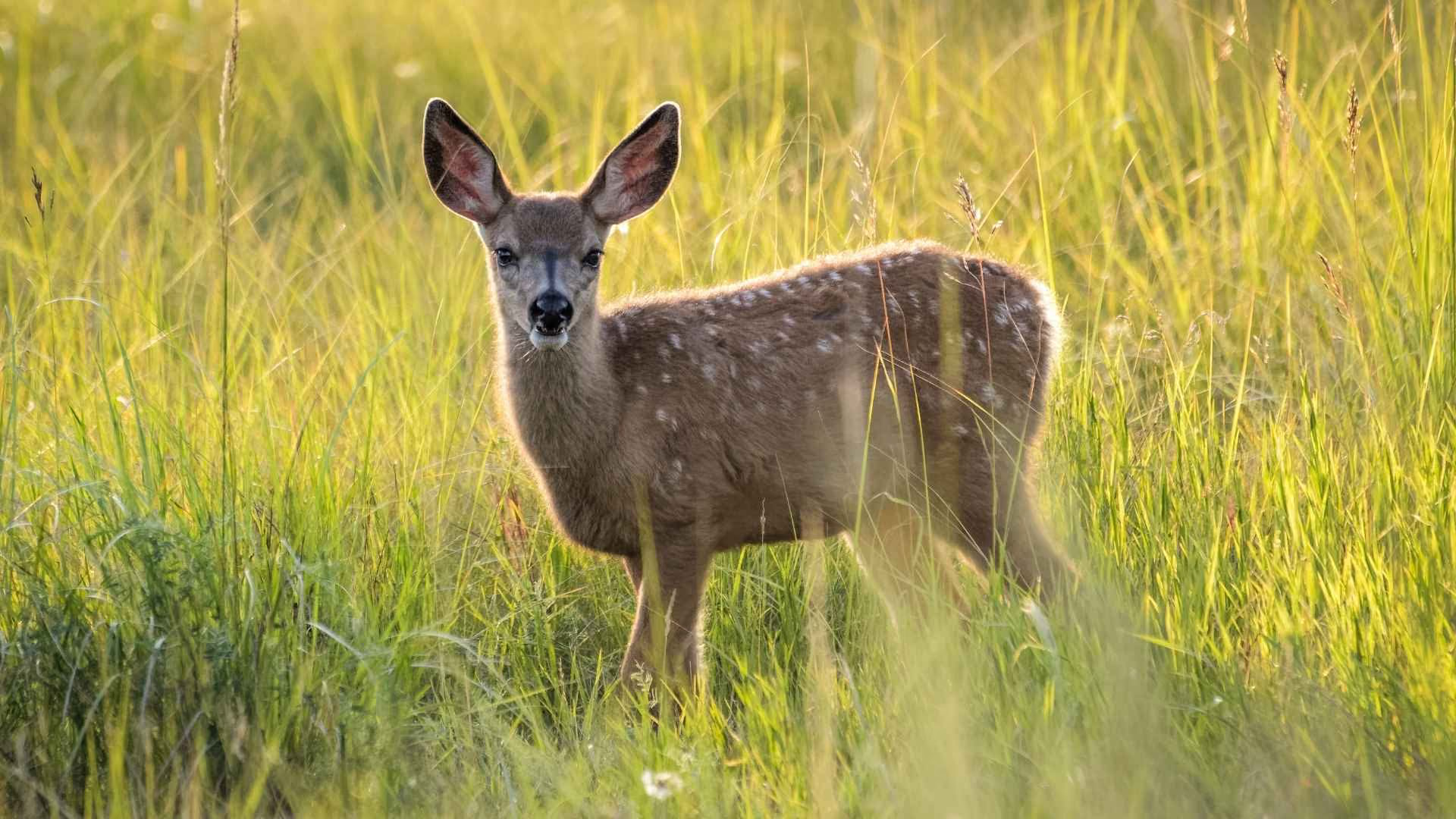
Do stadium fans prefer venison burgers? Customer satisfaction data
The sustainability case only works if fans actually buy the burgers. Brentford FC's Head of Sustainability has said that supporters not only accepted the switch but that the wild venison burger is more popular than the beef burger it replaced, suggesting that flavour and familiarity can be maintained even when the main ingredient changes. Levy reports that thousands of venison burgers were sold quickly at major fixtures such as events at Twickenham, indicating strong demand at scale.
From a behaviour-change perspective, stadiums are powerful venues: they are high-volume, emotionally charged environments where food choices can quickly become normalised habits.
Venison, beef and plant-based options

So, is switching to venison “sustainable”?
Wild venison burgers have ~85% lower carbon emissions than beef and use deer already being culled by UK wildlife management, avoiding intensive farming inputs. However, plant-based options remain lower-impact.
From a climate perspective, replacing high-impact beef burgers with wild venison in UK stadiums is a meaningful step down the emissions ladder, especially when the meat comes from necessary wildlife management that would happen anyway. For fans who are not ready to go fully plant-based, a lower-impact red meat can be a pragmatic "better, not perfect" option that cuts emissions while keeping a familiar match-day experience.
However, the bigger picture still points towards diets that are more plant-forward overall, as outlined in multiple foodfacts.org analyses of beef, livestock and climate, which stress that even the best-managed red meat will carry higher impacts than most plant-based alternatives.
In practice, that suggests a hierarchy of choices: reducing beef consumption, shifting any remaining meat towards lower-impact sources or wild venison where appropriate, and expanding genuinely appealing plant-based options that can compete on taste, price and convenience.

Independent fact-checking, funded by readers like you.
Misinformation is a growing threat to our health and planet. At foodfacts.org, we're dedicated to exposing the truth behind misleading food narratives. But we can't do it without your support.
Sources
- Alex Robinson (December 2025). LinkedIn
- Countryside Alliance (17 November 2025). Wild venison on the menu at sports and entertainment venues across the UK.
- Independent (10 December 2025). Why Premier League club is getting rid of beef burgers from stadium menu
- Foodfacts.org (18 June 2025). What does “grass-fed” really mean? The meaning behind common beef labels.
- Foodfacts.org (27 May 2025). “Net zero beef?” Why sustainability claims need more than headlines.
- Foodfacts.org (24 July 2025). Will reducing livestock really cause food shortages? Here’s what science says.
- Foodfacts.org (29 October 2025). Cows won’t cool the planet – and saying they can misses the point
- Global Banking & Finance (10 December 2025). UK stadiums swap beef burgers for wild venison to cut carbon.
- Levy UK (31 December 2019). Levy pioneers national sustainability shift in stadium catering.
- Reuters (10 December 2025). UK stadiums swap beef burgers for wild venison to cut carbon emissions.
- The Beef Site (10 December 2025). Stadiums swap beef burgers for wild venison to cut emissions.
- The Caterer (12 September 2025). Levy reduces emissions associated with beef burgers by over 70%.
- The Caterer (2 November 2025). Levy makes sustainable switch from beef to wild venison in stadium catering.
- Wild Eat / EatWild (2025). 54 tonnes of beef burgers being swapped for wild venison.



foodfacts.org is an independent non-profit fact-checking platform dedicated to exposing misinformation in the food industry. We provide transparent, science-based insights on nutrition, health, and environmental impacts, empowering consumers to make informed choices for a healthier society and planet.






.svg)


.svg)

