
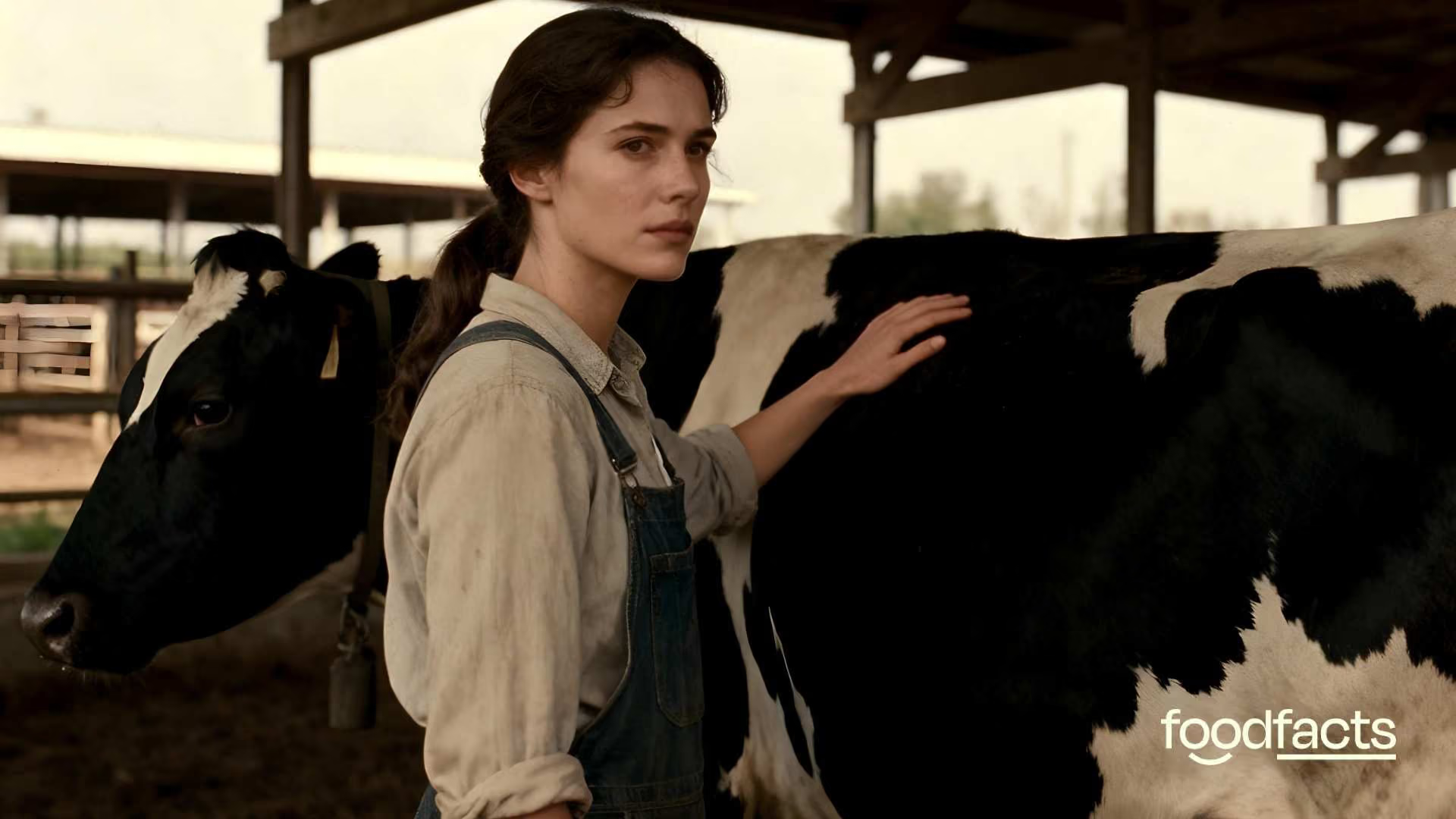




Cows won't cool the planet — and saying they can misses the point entirely




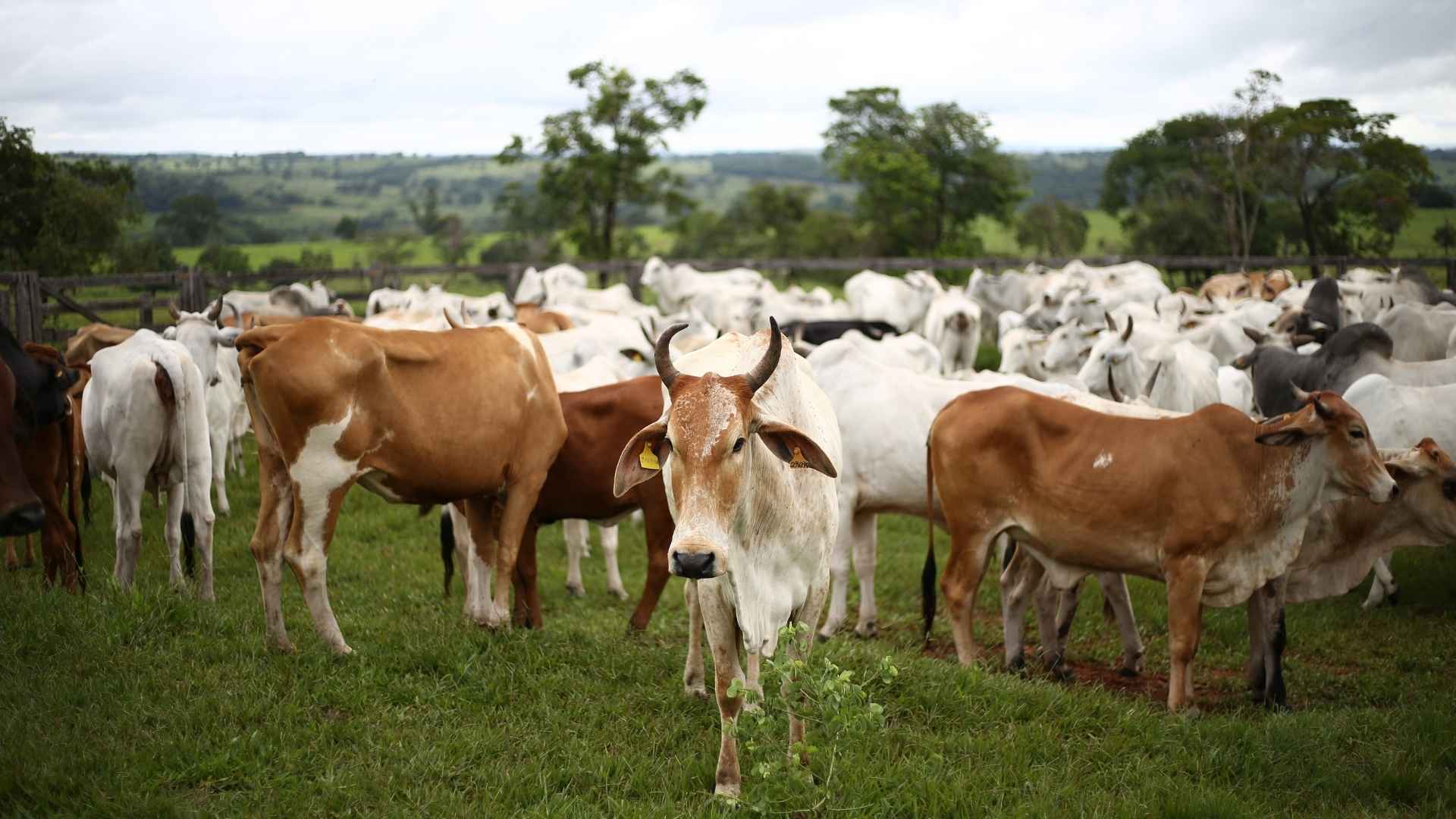
I'll admit it: when I first saw the LinkedIn post about cows that could "cool the planet," I did a double-take. Not because I thought it was true, but because I was genuinely surprised at how far the livestock industry's greenwashing has evolved. We've gone from "cows aren't that bad for the climate" to "actually, cows can save us from climate change." It's a masterclass in reframing—and it's dangerously misleading.
The post, referencing Dr. Emma Stuart's presentation at the British Cattle Veterinarians Association Congress in Edinburgh, claims that breeding low-methane cattle can "actively cool the planet" and that "cows can be one of the solutions to climate change". Let me be clear: this is not how climate science works, and framing it this way obscures the real solutions we desperately need.
The science is real, but the framing is all wrong
I want to be fair here: the Cool Cows project represents legitimate research. Scientists at Scotland's Rural College (SRUC), working with Paragon Veterinary Group and Semex, are using DNA testing and in vitro fertilisation to breed cattle that produce less methane. The numbers suggest calves in the program produce about 2% less methane than their parents, with potential cumulative reductions of 40% over 20 years through successive generations.
Research published in the journal Animal found that incorporating methane production into breeding goals could reduce methane intensity by 24% by 2050. Scotland's Climate Exchange estimates that under optimistic scenarios, breeding could cut enteric methane emissions by up to 9.5% (382.2 kt CO₂ equivalent) by 2045.
These are real reductions. I'm not disputing that. What I'm disputing is the claim that this somehow translates to "cooling the planet."
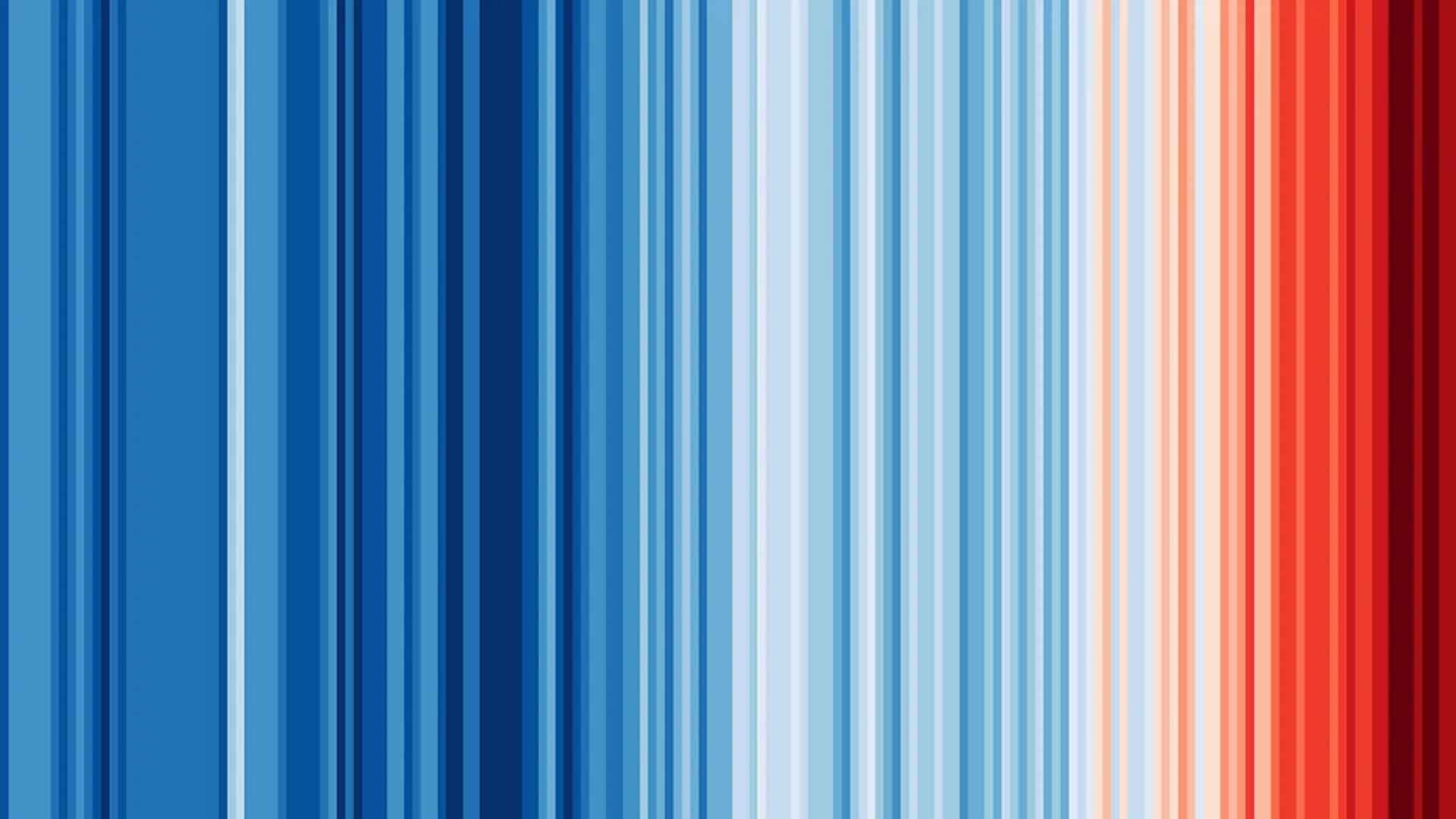
Here's the problem: reducing emissions doesn't reverse warming
This is the crux of the issue, and it's where the LinkedIn post's claim completely falls apart. Reducing emissions—even to zero—doesn't cool the planet. It slows warming.
Climate scientist David Keith puts it plainly: "Stopping emissions stops making the climate worse. But repairing the damage, insofar as repair is possible, will require more than emissions cuts". When we reach net-zero emissions, temperatures stabilise. They don't magically decrease.
Research from the Zero Emissions Commitment Model Intercomparison Project, using 18 different Earth system models, found that 50 years after reaching zero emissions, projected temperature changes range from 0.3°C of cooling to 0.3°C of warming, with an average of around 0.03°C of cooling—basically, stabilisation.
To actually cool the planet, we need negative emissions—actively removing greenhouse gases from the atmosphere faster than we're adding them. Breeding cows that produce 40% less methane over 20 years is not the same thing. Not even close.
The methane confusion
I understand why this claim sounds plausible to people unfamiliar with atmospheric science. Methane behaves differently from carbon dioxide, which creates some counterintuitive dynamics.
Methane has an atmospheric lifetime of about 9-12 years compared to centuries for CO₂. It's also 80-84 times more potent at trapping heat than carbon dioxide over a 20-year period. Because it breaks down relatively quickly, reducing methane emissions can produce faster climate benefits than reducing CO₂ alone.
UC Davis's CLEAR Center research shows that if a herd maintains constant methane emissions for 12 years, warming plateaus because new emissions equal atmospheric breakdown. And yes, if methane emissions drop below this equilibrium, it can create a cooling effect relative to the warming trajectory we're on.
But—and this is crucial—that "cooling" is relative to where we'd be with higher emissions, not relative to pre-industrial temperatures. It's like saying that if you're accelerating toward a cliff at 60 mph and you slow down to 30 mph, you're "reversing" toward safety. You're still heading toward the cliff. You've just bought yourself more time.
Environmental Defence Fund scientist Ilissa Ocko's research indicates that deploying all possible methane reduction measures could slow the mean rate of warming per decade by 30% over the next few decades and avoid 0.25°C of warming by century's end. That's valuable—I genuinely think we should pursue it—but it's slowing warming, not creating cooling.
Let's talk about scale
Even if we accept the most optimistic projections for low-methane breeding, we're talking about relatively modest reductions that take decades to achieve.
The Cool Cows project expects individual animals to produce 1-2% less methane than non-selected animals. Reaching that 40% reduction requires 20 years of sustained breeding efforts. And that's per animal, not across the entire global cattle population.
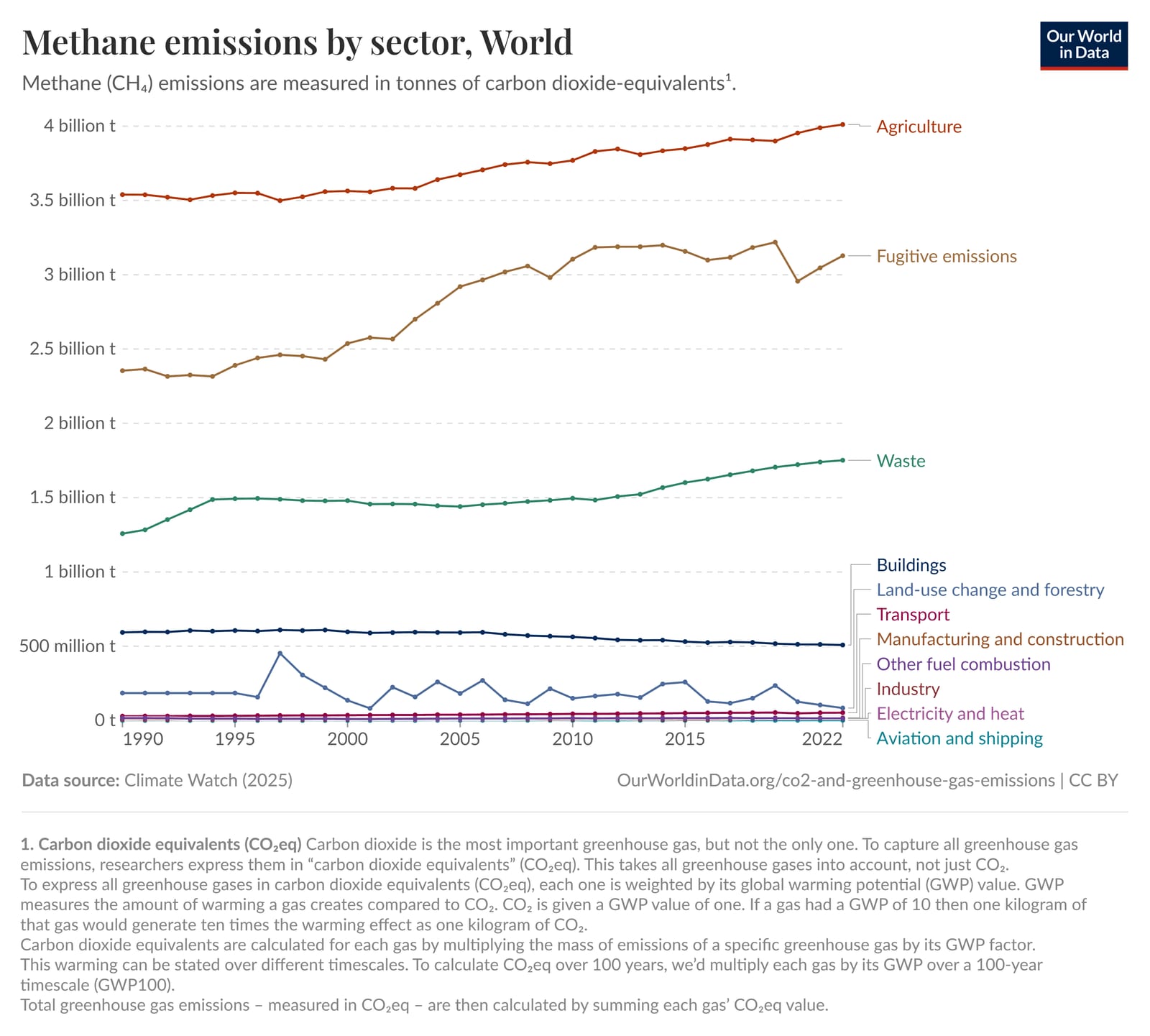
Meanwhile, livestock account for roughly one-third of global methane emissions—about 120 million tonnes annually. Agriculture contributes approximately 40% of human-caused methane emissions. Even achieving the most optimistic 9.5% reduction in enteric methane by 2045 represents a tiny fraction of what we need to address the climate crisis.
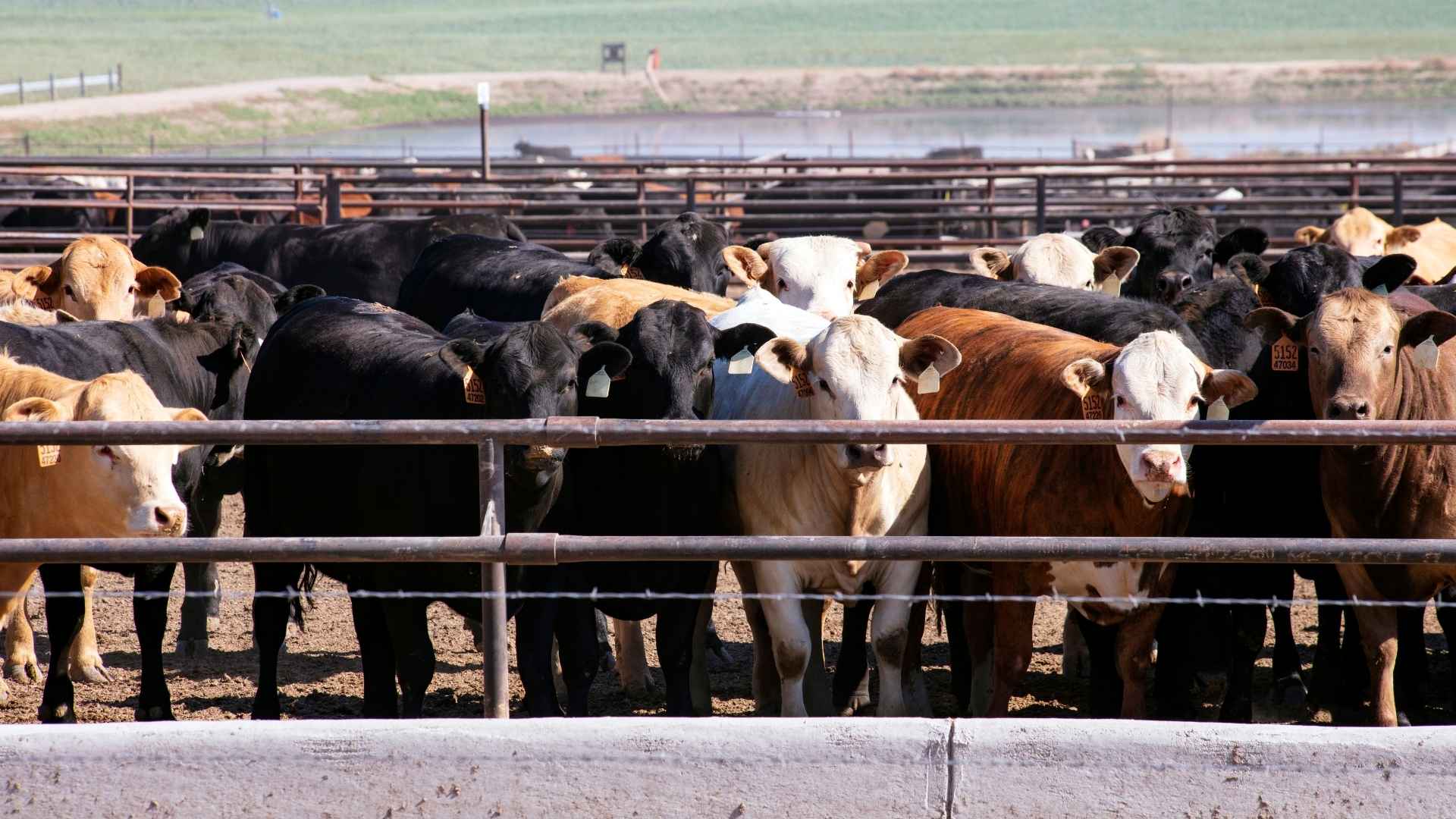
The alternative nobody wants to talk about
Here's what frustrates me most about this conversation: we already know the most effective solution, but it requires changing consumption patterns rather than tweaking production methods—and that makes people uncomfortable.
The research is unambiguous. A global shift to plant-based diets could reduce mortality and greenhouse gases from food production by 10% and 70%, respectively, by 2050. The EAT-Lancet Commission found that vegan and vegetarian diets produce the greatest reductions in greenhouse gas emissions.
Oxford University research analysing data from over 55,000 people found that compared to high meat-eaters, vegans have approximately 25% of the greenhouse gas emissions and land use, 46% of the water use, and 34% of the biodiversity impact. Even modest reductions help: if every American cut meat consumption by 25%, it would reduce annual greenhouse gas emissions by 1%.
If Americans replaced beef with beans, we'd free up 42% of U.S. cropland and reduce greenhouse gas emissions by 334 million metric tons—accomplishing 75% of the 2020 carbon reduction target. Globally, animal products provide only 18% of calories but use 83% of farmland and generate 56% of food sector GHG emissions.
The evidence is overwhelming. The most direct way to reduce livestock methane emissions is to reduce livestock populations by reducing demand for animal products.

Why this framing is harmful
I don't think Dr. Stuart or the researchers involved in the Cool Cows project are intentionally misleading people. I suspect they're genuinely excited about their work and perhaps got caught up in optimistic framing during a conference presentation.
But here's the problem: when livestock industry representatives claim that cows can "cool the planet," it provides cover for business-as-usual consumption patterns. It suggests we can continue eating meat at current levels as long as we make the production slightly more efficient. It delays more effective interventions.
This is textbook greenwashing—framing incremental improvements as revolutionary solutions. The meat industry has a documented history of this, from promoting "regenerative grazing" despite evidence that grass-fed beef has similar or higher emissions than conventional production, to making unsubstantiated net-zero claims.
Even researchers working on methane reduction technologies acknowledge these are complementary strategies, not replacements for dietary shifts. As Walter Willett, professor of epidemiology and nutrition at Harvard T.H. Chan School of Public Health, admits about the current system: "it's destroying our environment and our health at the same time".
What would actual cooling look like?
If we want to talk about actually cooling the planet, we need to talk about negative emissions technologies—and there's vigorous debate about whether these can scale effectively.
Atmospheric methane removal technologies are being explored, including catalytic oxidation enhancement. Carbon dioxide removal strategies include direct air capture, enhanced weathering, and ecosystem restoration. But all of these are early-stage technologies with uncertain scalability and significant costs.
The uncomfortable truth is that the most reliable, scalable, proven method for reducing food-system climate impacts is reducing consumption of animal products—particularly beef. Everything else is incremental improvement at best, distraction at worst.
The honest conversation we need to have
I want to end on a realistic note. I'm not saying everyone needs to become vegan tomorrow. I'm not even saying we should completely eliminate livestock agriculture (though many would argue we should come close). What I am saying is that we need to be honest about what different interventions can actually accomplish.
Low-methane cattle breeding is a real technology that could contribute to climate mitigation. If we're going to continue raising cattle, we should pursue these efficiency improvements. But calling it "cooling the planet" is misleading at best and dangerously deceptive at worst.
The claim that cows can be "one of the solutions to climate change" inverts reality. The honest statement would be: "Cows are a significant part of the climate problem. If we insist on continuing to raise them in large numbers, breeding lower-methane animals might make them slightly less problematic."
That's not as catchy for a LinkedIn post, I'll admit. But it has the advantage of being true.
The research is clear: if we want to significantly reduce food-related greenhouse gas emissions, the most effective path is reducing consumption of animal products, especially beef. Breeding-based approaches might achieve 10-24% reductions in methane intensity over decades. Dietary shifts could nearly halve food-related emissions.
We can accept that reality and work with it, or we can keep looking for technological fixes that let us avoid changing our consumption patterns. But we can't do both and pretend we're taking the climate crisis seriously.
The planet isn't going to cool because we breed cows that burp slightly less methane. It might warm slightly less quickly—and that's worth pursuing—but let's call it what it is. Anything else is just another form of climate denial, dressed up in the language of innovation.

Independent fact-checking, funded by readers like you.
Misinformation is a growing threat to our health and planet. At foodfacts.org, we're dedicated to exposing the truth behind misleading food narratives. But we can't do it without your support.
Sources:
- Carbon Brief (29 April 2021). Explainer: Will global warming ‘stop’ as soon as net-zero emissions are reached?
- Chemical & Engineering News (24 October 2021). Methane cuts could slow extreme climate change
- Climate Law (3 July 2024). Removing Methane from the Atmosphere: New Sabin Report on Atmospheric Methane Destruction via Oxidation Enhancement
- de Haas Y, Veerkamp RF, de Jong G, Aldridge MN. Selective breeding as a mitigation tool for methane emissions from dairy cattle. Animal. 2021 Dec;15 Suppl 1:100294. doi: 10.1016/j.animal.2021.100294. Epub 2021 Jul 8. PMID: 34246599.
- European Commission. Methane emissions
- Evero (28 May 2025). Carbon Offsets vs. Carbon Removals: What’s the Difference in Tackling Climate Change?
- Gibbs J, Cappuccio FP. Plant-Based Dietary Patterns for Human and Planetary Health. Nutrients. 2022 Apr 13;14(8):1614. doi: 10.3390/nu14081614. PMID: 35458176; PMCID: PMC9024616.
- Harvard Chan (22 November 2024). Reducing meat consumption good for personal and planetary health
- Jenkins, B., Herold, L., de Mendonça, M., Loughnan, H., Willcocks, J., David, T., Ginns, B., Rock, L., Wilshire, J., Avis, K (2024) ‘Breeding for reduced methane emissions in livestock’, ClimateXChange. http://dx.doi.org/10.7488/era/5569
- Rust NA, Ridding L, Ward C, Clark B, Kehoe L, Dora M, Whittingham MJ, McGowan P, Chaudhary A, Reynolds CJ, Trivedy C, West N. How to transition to reduced-meat diets that benefit people and the planet. Sci Total Environ. 2020 May 20;718:137208. doi: 10.1016/j.scitotenv.2020.137208. Epub 2020 Feb 8. PMID: 32088475; PMCID: PMC7184671.
- Scarborough, P., Clark, M., Cobiac, L. et al. Vegans, vegetarians, fish-eaters and meat-eaters in the UK show discrepant environmental impacts. Nat Food 4, 565–574 (2023). https://doi.org/10.1038/s43016-023-00795-w
- Scientific American (1 January 2022). Eating Less Red Meat Is Something Individuals Can Do to Help the Climate Crisis
- Sky News (23 October 2025). Cow burps have a big impact on global warming - but scientists think they've found a solution.
- The EAT–Lancet Commission on healthy, sustainable, and just food systems. Rockström, Johan et al.The Lancet, Volume 406, Issue 10512, 1625 - 1700
- The New York Times (1 October 2021). What’s the Least Bad Way to Cool the Planet?
- UC Davis (7 July 2020). Why methane from cattle warms the climate differently than CO2 from fossil fuels
- Vet Times (14 October 2025). Cows ‘can be climate change solution’, says Cumbrian vet



foodfacts.org is an independent non-profit fact-checking platform dedicated to exposing misinformation in the food industry. We provide transparent, science-based insights on nutrition, health, and environmental impacts, empowering consumers to make informed choices for a healthier society and planet.






.svg)


.svg)

