
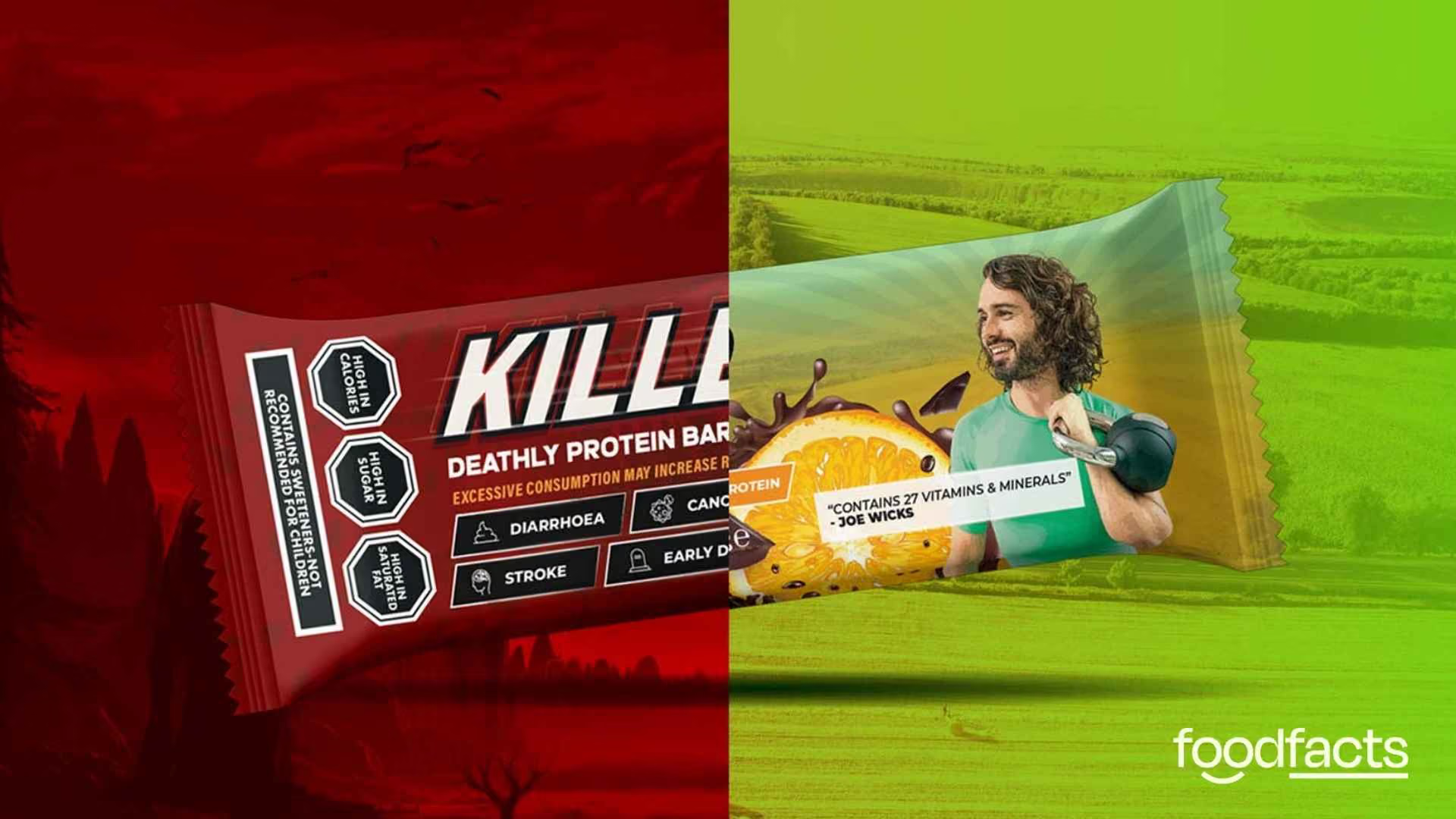




Joe Wicks' 'Licensed to Kill' started a global conversation on ultra-processed foods — what comes next?




Joe Wicks’ recent Channel 4 documentary, Licensed to Kill, has achieved something worth acknowledging: it has made people talk. Whether viewers applauded or criticised it, the show has pushed ultra-processed foods (UPFs) into mainstream debate, and it certainly is a public-health conversation worth having.
Exposing a flawed system
The documentary’s strength lies in its ability to reveal the architecture of our food system. It shows how marketing, convenience, shelf-life and profit often dominate food production, leaving nutrition and well-being behind. Without that framing, the burden of “making better choices” inevitably falls on individuals who operate within an environment designed to make unhealthy options easy, cheap, and normal.
Recent data highlights the extent to which this problem has become embedded. According to researchers at the University of Cambridge, UK, adolescents obtain approximately two-thirds of their daily calories from ultra-processed foods, while adults consume more than half. These figures are among the highest in Europe, reflecting the extent to which industrial products have replaced home-cooked and minimally processed meals in the British diet.
One of the solutions suggested in Licensed to Kill is the use of black, front-of-pack warning labels, similar to the system adopted in Chile. These are designed to have an immediate, visual impact, in contrast with the UK’s more nuanced traffic-light system. The question, though, is whether such warnings would genuinely shift long-term behaviour or instead intensify fear without changing the wider environment that drives consumption.
Why a bigger change is needed: the junk-food cycle
The National Food Strategy: The Plan (2021), commissioned by the UK Government and led by Henry Dimbleby, gives useful context here. It describes the “junk-food cycle”, a self-reinforcing loop that keeps both consumers and companies locked into unhealthy patterns.
- Food companies maximise profits by producing cheap, convenient, ultra-processed products.
- Consumers, influenced by marketing, low prices and the demands of busy lifestyles, buy them in large quantities. For many people, long working hours, childcare and limited time for cooking make convenience a necessity rather than a choice. Ultra-processed products fit easily into these routines, reinforcing dependence on them.
- High sales prompt further investment in similar products.
The result is a system that rewards the sale of foods high in fat, sugar and salt, while discouraging healthier alternatives. The National Food Strategy specifically examines the UK context and concludes that government efforts, primarily focused on labelling and awareness, have not been sufficient to disrupt this cycle.
Measures such as calorie counts, traffic-light labels and “eat well” campaigns are valuable tools, as they help people make more informed decisions. But their impact is limited when the wider food environment remains unchanged.
The report argues that the UK has relied too heavily on what it calls ‘single-loop interventions’ that nudge consumers but don’t disrupt the cycle, rather than ‘double-loop interventions’ that reshape the system. Breaking the cycle means addressing the structures that drive production and marketing — the incentives, pricing, and accessibility that determine what ends up on our plates.
From that perspective, stronger labels alone are unlikely to solve the problem. They may raise awareness, but they cannot rebalance the forces that shape the modern diet. Without changes to industry practices, affordability and culture, the result could simply be more anxiety, rather than healthier eating.
The role of language and fear
Another important question raised by Licensed to Kill is how we communicate about food and health. In the documentary, Dr Chris van Tulleken makes a powerful point in arguing that some UPFs should be thought of not as food but as industrially edible substances. This could help audiences think of nourishment as the primary purpose of food.
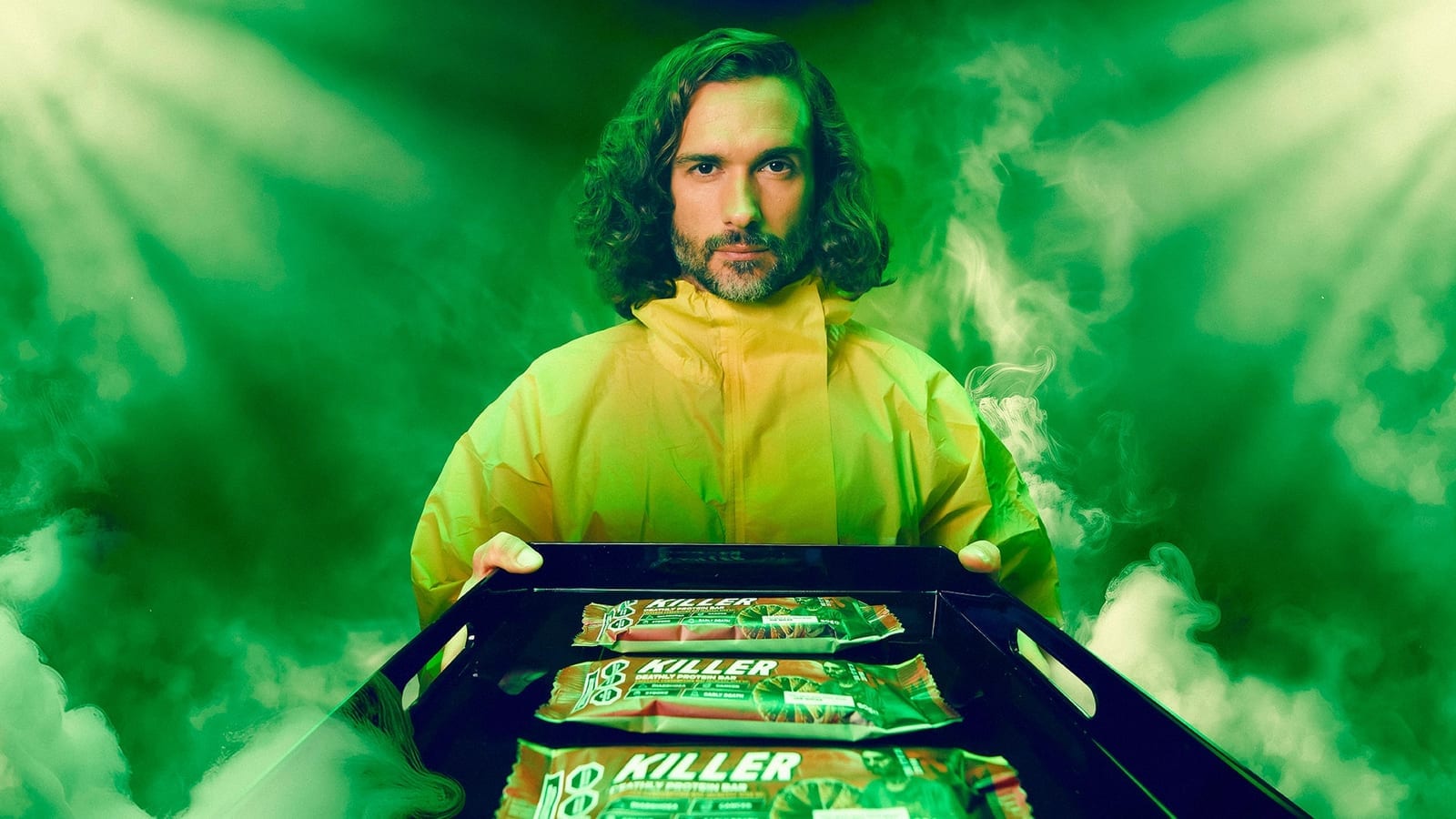
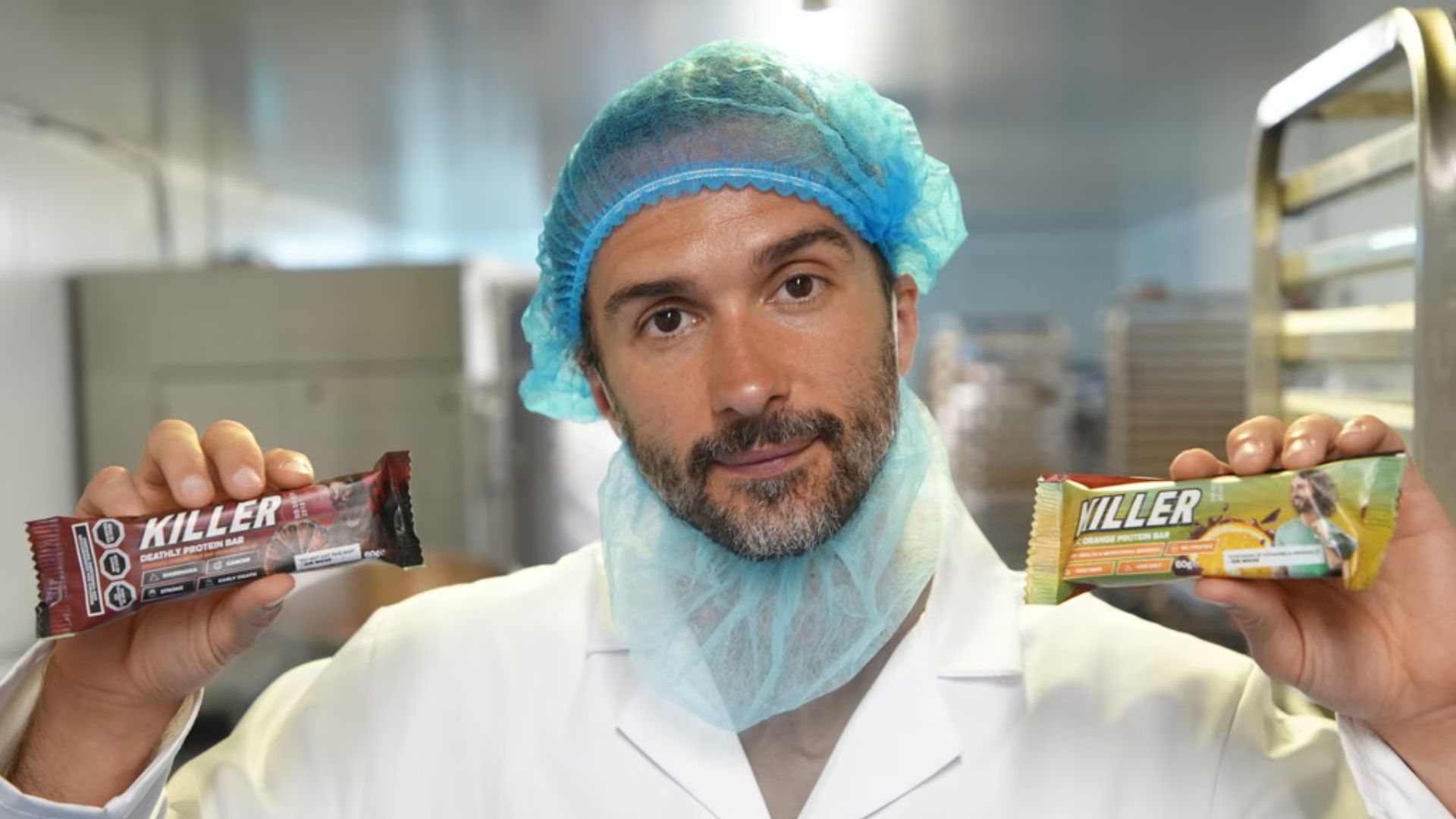
As a cognitive linguist, I can’t ignore how language shapes understanding, and unfortunately, Licensed to Kill leans rather heavily on the language of fear. Phrases like “killer bar,” “licensed to kill,” and “most dangerous health bar,” paired with ominous music and stylised visuals, create a sense of menace that sends a clear message: every bite of these UPFs is dangerous. But is the reality really so clear-cut?
The language used and its emotional impact are reminiscent of the dynamics of social media. If we examine how nutrition is discussed online, it often follows a similar formula: direct cause and effect. “Eat this and you’ll lose weight.” “Avoid that and you’ll prevent disease.” These claims are rarely contextualised. A good example is the way in which the phrase “linked to cancer” is generally thrown in social media posts, without the crucial questions: at what dosage? In what context? Sinister warnings about additives generate engagement and strong reactions, but they also often distort the science. They erase the nuance of dosage, context, and overall dietary pattern, all of which are essential for understanding risk.
This is not to criticise the documentary’s intent, which clearly aims to provoke thought. However, I feel that it risks reinforcing the same pattern of communication that we often challenge at FoodFacts.
Nuance matters not just to scientists trying to delve into the specifics of complex issues. It matters here, too, especially in the context of the UPFs conversation. This is because without nuance, risk perception gets quickly distorted. Unfortunately, at no point in the documentary are dietary patterns or dosage explained in a way that helps viewers understand the concept that the dose makes the poison, and that the relationship between food and health is complex and contextual, not binary.
What fear misses
The first question we need to ask is: what is the end goal? In certain contexts, fear can effectively trigger short-term avoidance behaviour. However, in nutrition, fear without understanding can easily lead to confusion and guilt. It can push people toward restrictive diets or make them anxious about everyday foods. For many, UPFs are affordable and practical options. Demonising them entirely can isolate those who already struggle with access to healthier choices. Meanwhile, important messages, such as the significance of dietary patterns (over-focusing on single ingredients), are left in the background.
Fear is a powerful emotion, and as a result, it can also lead to distraction. The focus on protein bars and similar products can make it seem as though single items are the problem, when the real issue lies in dietary patterns. Within a balanced diet, these kinds of products can serve as convenient snacks and need not be seen as inherently harmful. What matters most is the overall quality and balance of what people eat on a day-to-day basis, not whether one occasional snack falls into a particular category.
However, the question then arises: although the documentary claims it aims to prompt the government to take more action, its primary audience is the general public. And in that context, is fear the right tool? Is fear what we need to make people stop eating what is considered junk food? This appears to be the primary tension at the heart of Licensed to Kill, and it opens up an important space for discussion about how we discuss health, risk, and responsibility.
Yes, people need to be aware that diets high in UPFs can lead to health issues, but understanding why this is the case and distinguishing between different types of UPFs is an important part of that conversation. Unfortunately, this was not addressed here.

Understanding what “Ultra-Processed” means
To have an honest conversation about UPFs, we also need clarity on what the term actually means.
A short explainer: The NOVA classification system, developed by Brazilian researchers, groups foods according to the extent and purpose of processing: from unprocessed or minimally processed foods (Group 1) to ultra-processed products (Group 4). “Ultra-processed” describes industrial formulations made mainly from substances extracted from foods (like starches, oils, protein isolates, flavourings, and additives). NOVA helps identify patterns, but it isn’t a health scale. Some UPFs, like fortified cereals or plant-based milks, can still provide useful nutrients.
Understanding this helps us refocus on what matters: the overall pattern of our diet.
Taking the conversation forward
Licensed to Kill deserves credit for reigniting a national conversation about how our food system operates and the impact of ultra-processed foods on health. Its strength lies in drawing attention to the structures that shape eating habits and in prompting debate among professionals and the public alike. However, to achieve lasting change, the discussion must shift beyond warnings and toward accountability.
Communication is central to that shift. Social media and much of the wellness industry have shaped how we discuss food, often through simplified cause-and-effect claims, click-driven alarmism, and influencer-led narratives. These approaches create attention, but they also reduce understanding. The same pattern can appear in mainstream health coverage, when complex nutrition science is condensed into good-versus-bad headlines.
If we want healthier diets, we also need healthier communication, and it starts with transparency. That means holding both corporations and communicators accountable for the information they share, ensuring that their reach informs rather than inflames. Real progress will depend on joined-up action: policies that make nutritious food affordable, fiscal and regulatory incentives that reward reformulation, public procurement that sets the example, and food education that promotes understanding over fear.
Cultural change will take time, but it begins with consistency, transparency and collaboration. Awareness is only the first step. Turning it into action requires shared responsibility: from those who make our food, those who communicate about it, and those who set the conditions that shape what we eat.

Independent fact-checking, funded by readers like you.
Misinformation is a growing threat to our health and planet. At foodfacts.org, we're dedicated to exposing the truth behind misleading food narratives. But we can't do it without your support.



foodfacts.org is an independent non-profit fact-checking platform dedicated to exposing misinformation in the food industry. We provide transparent, science-based insights on nutrition, health, and environmental impacts, empowering consumers to make informed choices for a healthier society and planet.






.svg)


.svg)

