





Flax, chia and hemp seeds: how much do they really influence your hormones?


In two recent videos, Candi Frazier from “The Primal Bod” claims that flax, chia and hemp seeds are higher than soy in oestrogen and are causing “major disruptions in hormones”, and that flax seeds create a breast cancer environment.
The following article checks what the research says about these claims and the relationship between flax, chia and hemp seed consumption, oestrogen and health.



Frazier’s claims misrepresent how phytoestrogens are metabolised, and in the case of the breast cancer claims, contradicts what the research currently shows. For people with hormone-sensitive conditions, or who are pregnant/lactating, it is advisable to consult with a health professional, such as a registered nutritionist/dietitian, for individualised recommendations.
Millions of people, many of them women, see social media as a channel to inform themselves about health and nutrition. When a video goes viral claiming that common foods can cause cancer and hormonal issues, it can produce real harm: unnecessary dietary restriction, anxiety, and erosion of trust in evidence-based nutrition guidance.
Misinformation that frames them as dangerous not only misleads individuals; it also affects people with limited access to qualified nutrition advice, who may turn to the content appearing in their social media feeds.
Worth acknowledging
Frazier's account of her own health, mentioning anaemia, acne, bloating, and weight gain during her years as a vegan, may reflect a genuine lived experience. Noticing changes in how one feels after making dietary changes should not be dismissed. However, changes in health status can rarely be pointed to specific foods, but rather to overall improved patterns of eating.


Anecdotal evidence is different from scientific evidence, and the experience of one person, however compelling, cannot be used to generalise effects of specific foods on the body. Health influencers often use personal anecdotes to ground their claims, whereas health professionals rely on scientific evidence.
Flax, chia, and hemp seeds are nutrient-dense foods that have long been used in human diets, and are recognised as nutritionally significant. They are a source of alpha-linolenic acid (ALA), polyphenols, fibre and some plant-based protein (hemp in particular has higher amounts of protein when compared to other seeds) (source, source, source). However, the phytoestrogen content of these foods (wrongly called oestrogen in the video) differs in type and quantity.
What are phytoestrogens?
Phytoestrogens are a sub-class of polyphenols (naturally occurring plant compounds) and have a chemical structure similar to estradiol (E2), the primary female sex hormone. This structural similarity is what allows them to interact with oestrogen receptors in the body. However, phytoestrogens are not the same as human oestrogen, and their affinity with oestrogen receptors is lower than estradiol itself (source, source).
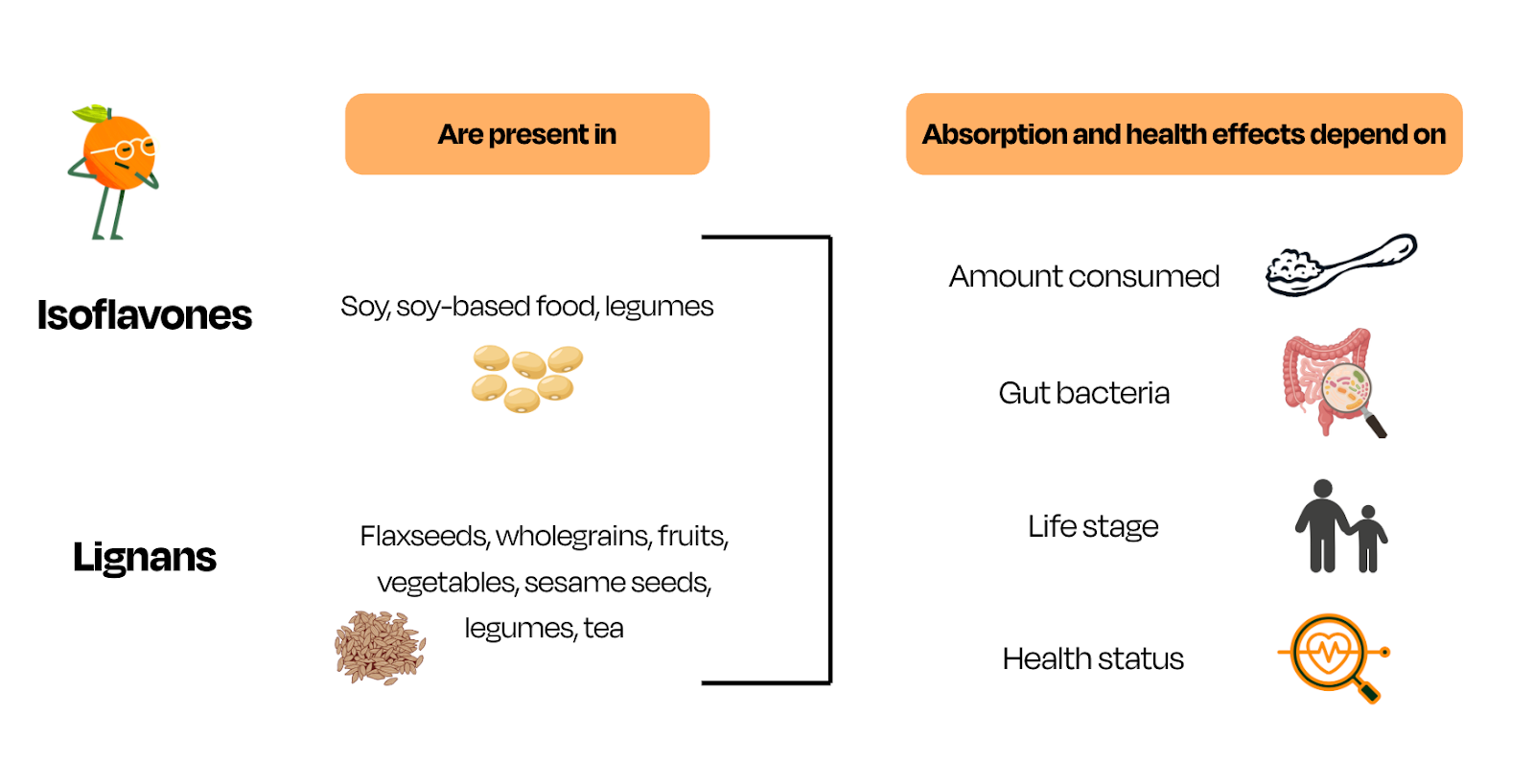
Isoflavones and lignans are the two main classes of phytoestrogens relevant to this fact-check. Soy is the primary dietary source of isoflavones; flaxseed is the primary dietary source of lignans. The overall effect of phytoestrogens in the body is the focus of considerable scientific research, but the available evidence remains inconclusive. Both agonist and antagonist effects have been shown in research, with outcomes depending on the stage of life, the concentration of phytoestrogens consumed, and their bioavailability (how much of a given compound the body actually absorbs and uses). Moreover, findings from short-term studies that measure specific biomarkers do not always translate into long-term clinical outcomes, and many trials are relatively small to draw general conclusions. This variability is key to understanding why broad claims about phytoestrogens "acting like oestrogen" oversimplify a complex picture (source; source; source).
Claim 1: Flax, chia and hemp seeds are “higher than soy in oestrogen”
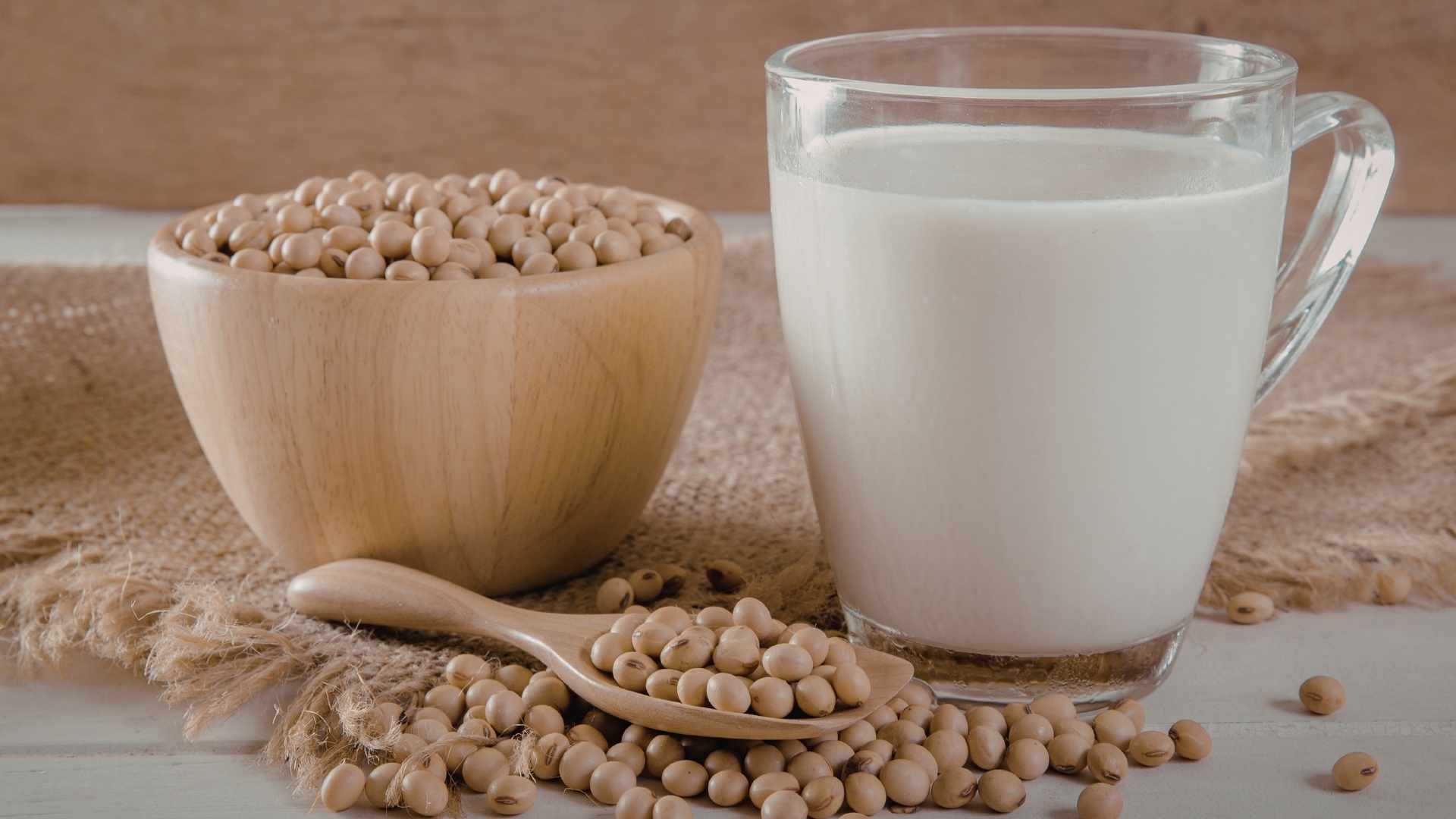
Fact-check: Flaxseed and soy contain different types of phytoestrogens: soy contains mainly isoflavones, while flaxseed contains mainly lignans. Chia and hemp seeds, on the contrary, contain considerably lower concentrations of phytoestrogens than either soy or flaxseed, and are not recognised as major sources of phytoestrogens in the diet.
More fundamentally, when comparing isoflavones and lignans, the way and rate at which they are absorbed by the human body is different among them and also varies among individuals. For instance, isoflavones can be absorbed directly in the small intestine, with additional metabolism occurring in the colon, whereas lignans must first reach the colon to be converted by gut bacteria into a more bioavailable form (enterolignans) before they are absorbed. The extent to which they are absorbed depends strongly on diet and individual metabolism; some people absorb higher amounts of certain phytoestrogens than others depending on the composition of their gut microbiome (source, source, source, source).
The claim that all three seeds are “higher than soy in oestrogen” is therefore not accurate: chia and hemp contain much less phytoestrogens than soy, and even where flaxseed’s lignan content is high on a milligram-per-gram basis, this does not translate into greater absorption or oestrogenic activity in the body.
Claim 2: Flaxseed creates a “breast cancer environment”
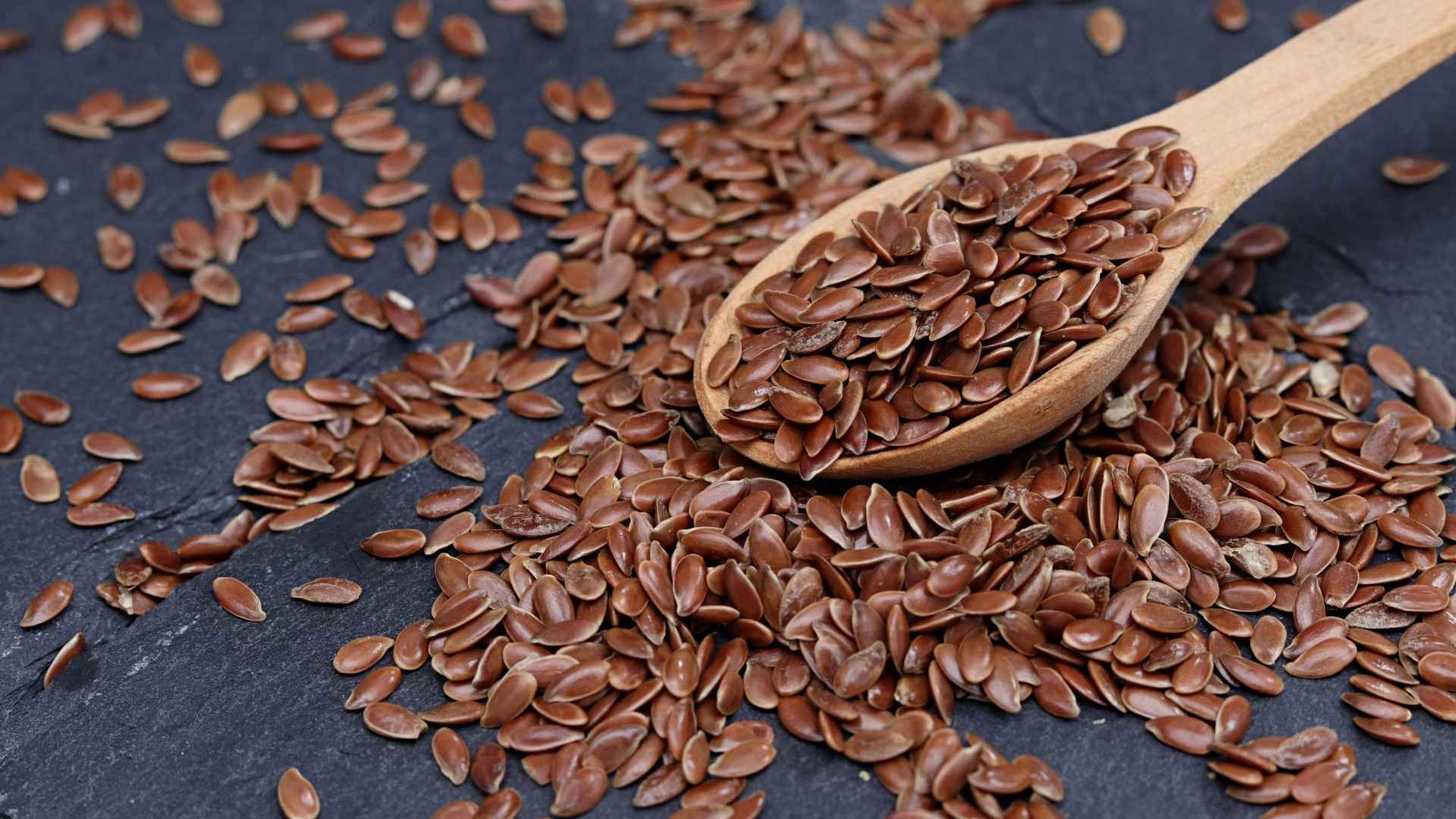
Fact-check: Scientific interest in the relationship between flaxseed and breast cancer is precisely due to its high lignans’ content. Some evidence has found that flaxseed may have protective benefits against hormone-associated cancers, including breast cancer, though the findings are not entirely uniform across all studies and more research in humans is needed. What the evidence does not currently show, however, is a link between flaxseed consumption and an increase in breast cancer risk (source, source, source, source).
Frazier attributes this claim to "Dr. Wendy Sellens", a source worth examining critically. Sellens presents herself as a Chinese medical doctor, breast thermologist, and hormone researcher, and promotes breast thermography as an alternative to mammography for breast cancer screening, a method that is not recognised as a standalone screening tool for breast cancer (source). Moreover, upon searching Sellens' contributions to hormone research, no peer-reviewed publications, institutional affiliations, or verifiable medical credentials were identified in any academic database.
The claim that flaxseed creates a “breast cancer environment” is not consistent with the current peer-reviewed literature.
Who should exercise caution?
The science on phytoestrogens is the focus of ongoing research, and the extent of their health effects for different populations is still evolving. Even though the current evidence points to potential health benefits from phytoestrogens, some populations, including pregnant/lactating women and individuals with hormone-sensitive conditions, are advised to ask for individualised recommendations from a health care professional, such as a registered nutritionist/dietitian.
Claim 3: Flax, chia and hemp seeds can cause inflammation and “screwed up cycles”
Fact-check: Current evidence does not support claims that flax, chia, or hemp seeds generally cause inflammation or ‘screwed up cycles’. Some studies even suggest anti‑inflammatory or symptom‑reducing effects, and no controlled human studies currently show these seeds disrupt menstrual cycle parameters at typical dietary amounts.
Frazier’s claims contradict the established nutritional profile of these seeds. Flax, chia and hemp seed are all recognised to be sources of fibre, ALA (a type of omega-3), antioxidants (such as polyphenols) and some plant-based protein, and can be part of a healthy eating pattern (source, source, source, source). Frazier describes women arriving at her clinic with inflammation after consuming smoothies containing these seeds, but overlooks that inflammation can be caused by different factors and is rarely attributable to specific foods alone. There is no evidence to frame these seeds as a driver of inflammatory markers at typical dietary quantities for adults (around 1 tbsp).

Bottom line
Phytoestrogens are plant compounds that interact weakly with oestrogen receptors in the body, and their effects depend on the type of phytoestrogen, the dose, individual gut microbiome composition, and life stage. The scientific research for phytoestrogens is still evolving, and the full extent of the benefits or possible risks of high quantities of phytoestrogens in the diet is still an object of study. The current evidence suggests that flax, chia and hemp seeds are not major hormonal disruptors, but rather nutritionally recognised foods that have been part of human diets for thousands of years, and can be included as part of a varied and balanced eating pattern.
For people managing hormone-sensitive conditions, or who are pregnant or breastfeeding, a conversation with a qualified healthcare provider is an appropriate next step to get individualised support.
Hormones and cancer risk are sensitive and complex topics that can touch on deep personal health concerns. When hearing claims linking specific foods or behaviours to cancer, it is natural to take that seriously, and perhaps, even if unconsciously, to favour certain types of evidence over others (even if it is not complete). The quality and completeness of the evidence behind such claims matters.
The way the claims are framed here are an example of “cherry picking” evidence: selecting only the sources that support the author’s position while overlooking the broader body of evidence that does not. A real biological mechanism is identified (in this case, the interaction between phytoestrogens and oestrogen receptors, and the known role of oestrogen in hormone-sensitive conditions) and then oversimplified into a cause/effect conclusion that the evidence does not actually support. Scientists and clinicians, on the contrary, make decisions based on the balance of available evidence and are trained to know when conclusions might be generalisable and when they aren't.
It is worth noting that cherry picking is not always deliberate. When someone has had a strong personal experience it is not uncommon to link that experience with a specific cause, and to then share that belief with real sincerity. But even unintentional cherry picking can produce a misleading picture of the evidence and potential harm/confusion to the wider public. That is why nutrition and health information are best obtained from Registered Dietitians or health professionals.
We have contacted Candi Frazier and are awaiting a response.
Disclaimer
This fact-check is intended to provide information based on available scientific evidence. It should not be considered as medical advice. For personalised health guidance, consult with a qualified healthcare professional.
Independent fact-checking, funded by readers like you.
Misinformation is a growing threat to our health and planet. At foodfacts.org, we're dedicated to exposing the truth behind misleading food narratives. But we can't do it without your support.
Sources
- Apetroaei, V., et.al. (2024) Hemp Seeds (Cannabis sativa L.) as a Valuable Source of Natural Ingredients for Functional Foods—A Review
- foodfacts.org (23 September 2025). Five easy nutritionist-approved ways to boost your fibre intake every day
- Calado, A. (2018) The Effect of Flaxseed in Breast Cancer: A Literature Review
- Parikh, M., et.al. (2019) Dietary Flaxseed as a Strategy for Improving Human Health
- Kulczyński, B., et.al. (2019) The Chemical Composition and Nutritional Value of Chia Seeds—Current State of Knowledge
- Rietjens, I., et.al. (2016) The potential health effects of dietary phytoestrogens
- Canivenc-Lavier and Bennetau-Pelissero (2023) Phytoestrogens and Health Effects
- Domíngez-López, I., et.al. (2020) Effects of Dietary Phytoestrogens on Hormones throughout a Human Lifespan: A Review
- Landete, J., et.al. (2016) Bioactivation of Phytoestrogens: Intestinal Bacteria and Health
- Linus Pauling Institute. (2016) Soy Isoflavones
- Parikh, M. (2019) Dietary Flaxseed as a Strategy for Improving Human Health
- Linus Pauling Institute (2021) Lignans
- American Institute for Cancer Research. (2021) Flaxseed: Full of Fiber and Phytochemicals
- FDA (2023) Breast Cancer Screening: Thermogram No Substitute for Mammogram
- USDA National Nutrient Database for Standard Reference.
- foodfacts.org (26 November 2025). Does yoghurt cause gut disruption?
- Luvián-Morales, J, et.al. (2021) Functional foods modulating inflammation and metabolism in chronic diseases: a systematic review



foodfacts.org is an independent non-profit fact-checking platform dedicated to exposing misinformation in the food industry. We provide transparent, science-based insights on nutrition, health, and environmental impacts, empowering consumers to make informed choices for a healthier society and planet.








.svg)


.svg)

