





Why fact‑checking is essential public‑interest infrastructure for our food system




Why nutrition misinformation needs its own kind of fact-checking
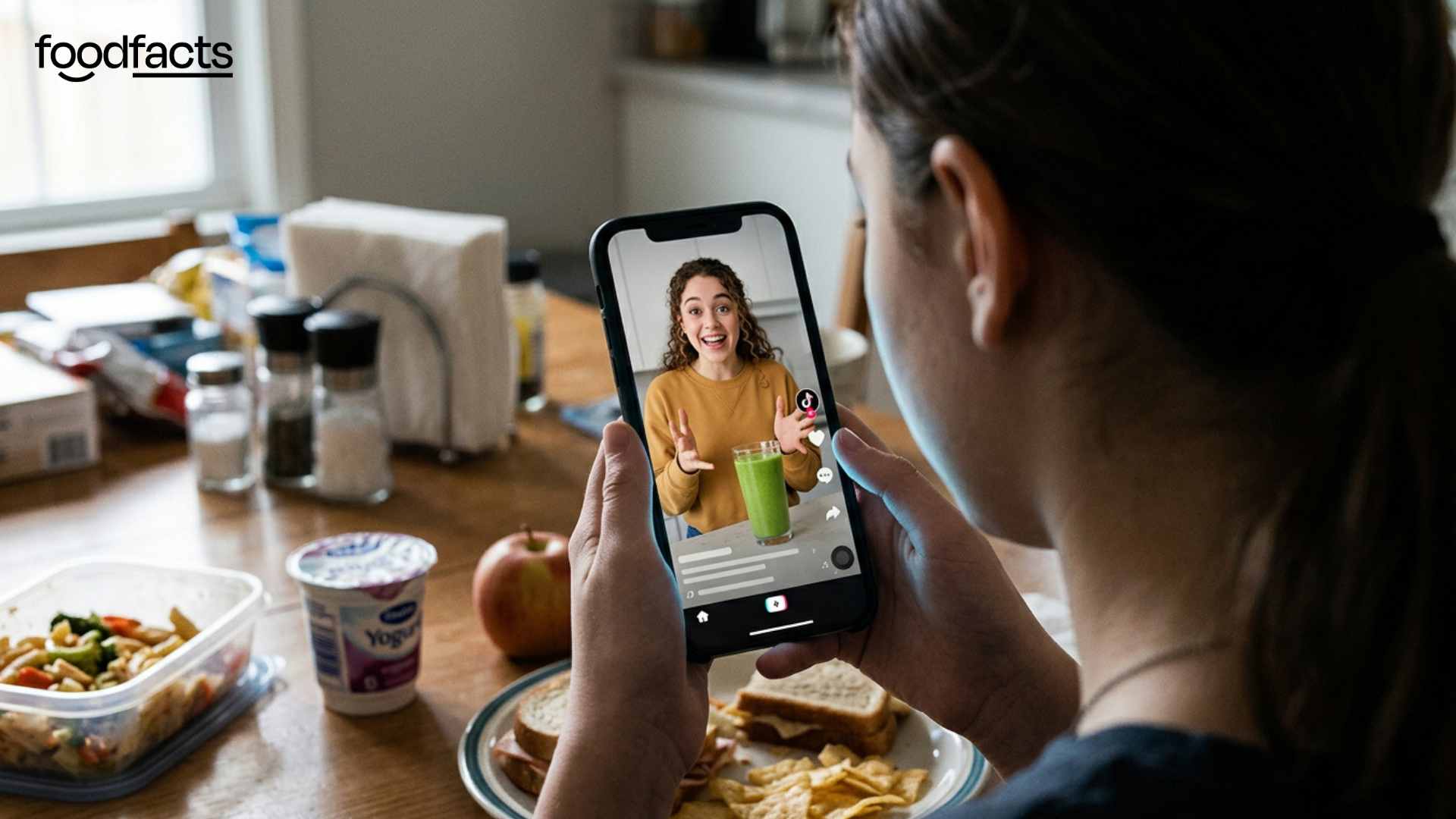
Nutrition misinformation is everywhere. It shows up in influencer reels, wellness newsletters, newspaper columns, supermarket packaging and “what I eat in a day” videos, often wrapped in the language of care and empowerment. That constant background noise makes it much harder to spot what is misleading and why it matters.
This is where the wider research on fact‑checking comes in. Reviews like Maldita.es’ “Fact‑checking works” and related studies show that independent verification can reduce belief in false claims and slow how often they are shared. For food, that evidence is a starting point, not the destination. The volume and normalisation of nutrition content mean we need approaches tailored to how people actually encounter and make sense of food advice.
As our cofounder Dr Elise Hutchinson puts it, the findings “can extend to the fight against nutrition misinformation”. But from our research there are clear specificities: nutrition misinformation is so pervasive that it often feels invisible, and “health hacks” can feel too tempting, too caring or too urgent not to share. That is exactly why, in her words, “this makes fact checking all the more important.”
How foodfacts.org fights food myths: from facts to “reason checking”
Foodfacts.org was set up as an independent, non‑profit fact‑checking platform dedicated to food, health and the environment. Our whole structure is built around a simple idea: people deserve food information that is reliable, transparent and free from hidden agendas.
Our fact‑checking system has several layers:
- We prioritise high‑impact claims that are spreading widely or causing visible confusion.
- We verify sources, reach out to claimants and cross‑check the claim against the broader scientific literature.
- We rate the claim’s factual accuracy and the overall piece it appears in, using a clear classification and star‑rating system.
- We publish our reasoning with direct links to primary research and official guidance so readers can see the evidence for themselves.
On top of this, we integrate what we call reason checking into our work. That means we do not stop at “true” or “false”. We analyse how a claim is structured, what kind of logic it uses, which emotions it taps into and what it leaves out. When we fact‑check topics like “garlic can replace blood pressure medication” or “alkaline diets cure everything”, we unpack:
- How the narrative is built (for example, cherry‑picked studies, exaggerated risk, miracle language)
- Why it feels compelling (fear of illness, distrust in institutions, desire for control)
- What happens if people act on it (missed treatment, wasted money, increased anxiety)
- What gets lost when dozens of “little” claims bombard us every day (a sense of proportion, long‑term patterns, structural drivers of health)
This narrative‑level work is central to how we understand misinformation in food. Nutrition myths rarely arrive as naked lies. They come woven into stories about naturalness, purity, self‑discipline or “taking your power back”. A fact‑check that ignores those stories will struggle to stick, no matter how good the citations are.
What the research on fact-checking changes for our work
So where does the wider evidence, including Maldita’s review, fit into this. For us, it does three main things.
First, it reassures our team that the basic model works. Experimental studies and platform data show that when people see high‑quality fact‑checks or warning labels from independent organisations, they are less likely to believe and share misinformation. That matters for morale. Our editorial and research teams spend months digging into complex topics like dietary guidelines, saturated fat or ultra‑processed foods. Knowing that this kind of work has measurable impact supports our decision to invest in deep, careful investigations rather than quick takes.
Second, it shapes how we present our work. The research suggests that independent, third‑party fact‑checkers are trusted more than generic platform labels. That is one reason we are open about our funding, our non‑profit status and our approach to independence. It is also why our articles include clear methods sections and transparent source lists. Trust is not something we can ask for; it is something we have to earn, piece by piece.
Third, it underlines how urgently this work is needed right now. Studies and policy reports have documented how some major platforms have scaled back third‑party fact‑checking partnerships and other safeguards, even as mis‑ and disinformation ecosystems become more sophisticated. Nutrition and wellness sit right in the cross‑hairs of those shifts. That context is one reason we created foodfacts.org in the first place: to help fill the gap left when public‑interest infrastructure for truth is weakened.
As our editorial operations lead Matthew Unerman puts it, “it is encouraging that people are less likely to share misinformation, but it also shows that much more work is needed in this space, especially after the rolling back of fact‑checking policies and safeguards on major social media platforms.”
Bringing research into every fact-check
Our approach is not static. We actively integrate lessons from the latest research into how we choose, frame and test our fact‑checks.
In practice, that looks like:
- Designing headlines and intros that correct clearly without repeating a myth more than necessary, informed by work on familiarity effects and myth persistence
- Using visuals and summaries that support comprehension across different levels of health literacy, not just for people used to academic language
- Stress‑testing our own explanations to ensure they do not accidentally oversimplify or create new misunderstandings
- Building explainers and guides, such as our pieces on spotting fake nutrition advice or misused research, that “pre‑bunk” common tactics before readers encounter them.
This is where our cofounder Dr Elise Hutchinson's background in cognitive linguistics is central. She leads our work in mapping common narrative templates across claims, so that when we see a new viral post we can quickly recognise whether it is a remix of an old story. That helps us respond faster and with more depth, which the broader fact‑checking literature suggests is key if we want to reach people before misinformation hardens into identity.
Where we go from here
The growing body of evidence that “fact‑checking works” strengthens a conviction that sits at the heart of foodfacts.org. Careful, transparent verification can change what people believe and share about food, even in a noisy, polarised environment. But facts on their own are not enough. To really support people, we have to explain why certain stories hook us, how they fit into bigger systems, and what is at stake if we let them shape our plates and policies unchecked.
That is why our work will keep evolving along two tracks: deep, evidence‑based fact‑checks on specific claims, and broader guides that help you recognise the techniques behind them. We will keep grounding that work in the best available research, from organisations like Maldita.es and Full Fact to academic teams studying health and online harms. And we will keep pushing for a world where platforms, regulators and institutions treat food misinformation as the serious public‑health issue it is, not as background noise.
If there is one message we hope readers take away, it is this: you are not “silly” or “gullible” for feeling drawn to health hacks and confident nutrition advice. The system is set up to make those messages hard to resist. Our job at foodfacts.org is to sit beside you in that confusion and offer tools, context and evidence that help you choose more wisely, one claim at a time.
If you find our work valuable please consider supporting our work.

Independent fact-checking, funded by readers like you.
Misinformation is a growing threat to our health and planet. At foodfacts.org, we're dedicated to exposing the truth behind misleading food narratives. But we can't do it without your support.



foodfacts.org is an independent non-profit fact-checking platform dedicated to exposing misinformation in the food industry. We provide transparent, science-based insights on nutrition, health, and environmental impacts, empowering consumers to make informed choices for a healthier society and planet.






.svg)


.svg)

