





The hidden story after Ozempic: why weight often comes back when GLP-1 drugs end — and what to do about it




Setting the scene: GLP-1s and the question of long-term weight loss
GLP-1 (weight loss medications) have been dominating headlines lately and for good reason.
Originally developed to treat type 2 diabetes, these medications have been life-changing for many people with overweight or obesity, particularly when other interventions have fallen short.
But new research is prompting an important question: what happens when the medication stops?
Emerging evidence suggests that weight regain can occur rapidly after discontinuing GLP-1 therapies, raising concerns about long-term sustainability.
As interest in weight loss medications continues to grow, one message is becoming increasingly clear – medication alone is rarely the full solution.
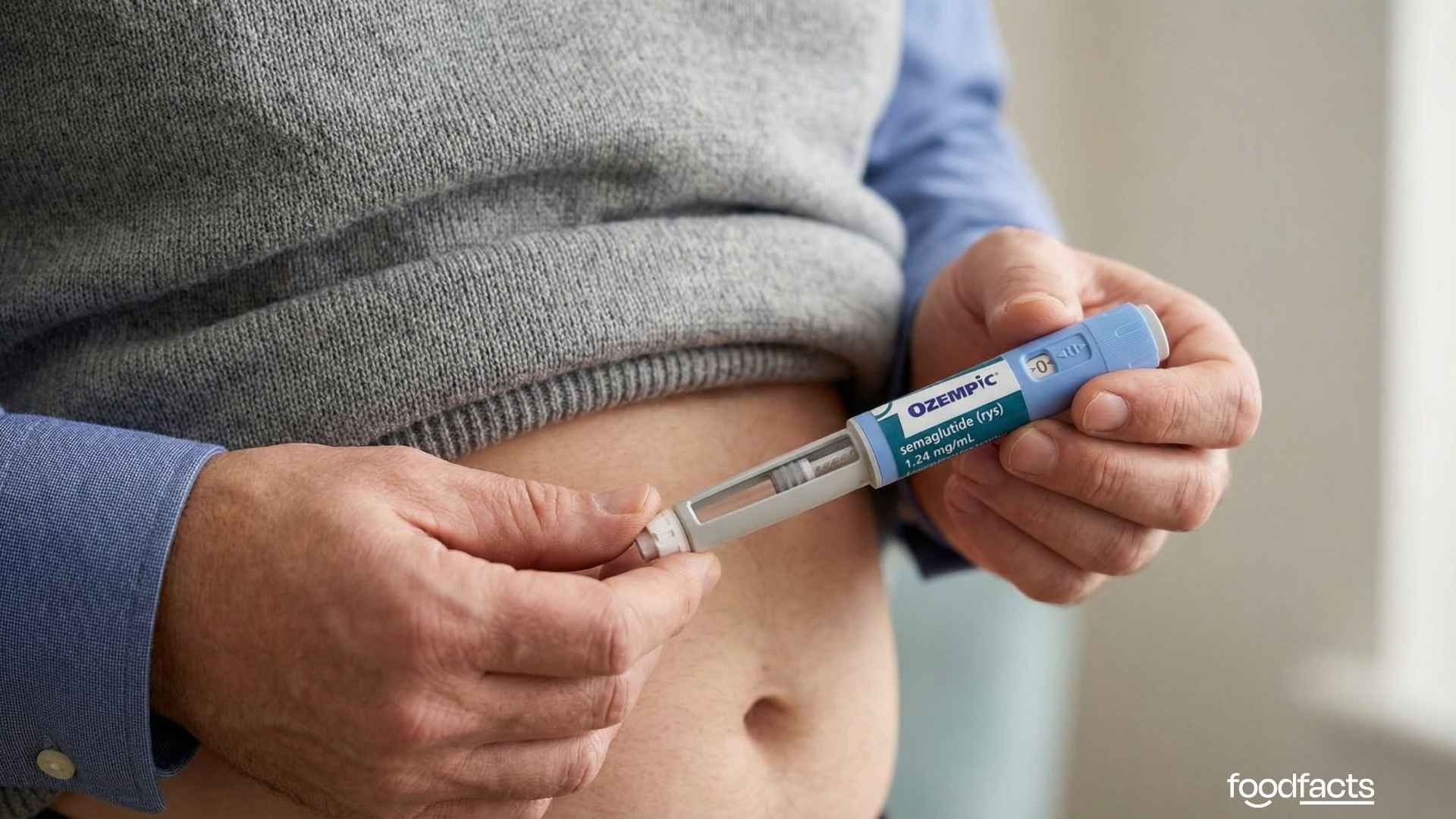
What the latest research reveals about weight regain after GLP-1s
A systematic review of 37 studies examined what happens to weight after individuals stop taking weight loss medications. The findings show that weight regain is common. On average, people regained about 0.4kg per month, which suggests that weight will return to pre-treatment levels within about 1.7years after cessation. In the 28 randomized controlled trials included, there was no meaningful difference in weight between those who had taken the medication and those who had not about 1.4 years after stopping.
Other health markers also followed similar patterns. Measures such as blood sugar, cholesterol and blood pressure gradually moved back towards where they started. Based on the data, these measures were expected to return to baselines within 1.4 years after stopping weight loss medication.
When compared to behavioural weight management programmes (think the NHS Digital Weight Management Programme), people who stopped weight loss medications tended to regain weight more quickly, regardless of how much weight they had lost during treatment.
However, there are some important gaps in the research.
Long-term data (over 1 year after stopping weight loss medications) is limited, especially for newer more effective medications, with most studies following participants for less than a year. Longer-term outcomes beyond this point (weight regain and health measures) had to be estimated.
The analysis also assumed that weight regain occurred at a steady rate, which may not reflect everyone’s experience, although additional checks found no clear evidence that this assumption was incorrect. Comparisons with behavioural weight management programmes were indirect, and some differences between study populations may have influenced the results. Many of the included studies were also at moderate or high risk of bias.
Despite these limitations, the review drew on a large number of studies, mostly randomized trials, and the findings were consistent across different analyses. A head-to-head trial also supports the conclusion that weight regain tends to happen faster after stopping medication than after behavioural programmes.
Why weight regain commonly occurs after discontinuing GLP-1s
From a biological standpoint, weight regain after stopping weight loss medications is not necessarily unexpected. These medications help with weight loss by reducing appetite, slowing digestion and improving insulin sensitivity. They do not however, permanently change the body's underlying system that regulates hunger, metabolism and weight.
There is anecdotal evidence to suggest that when these medications are discontinued, appetite signals often return and maintaining new habits becomes harder without ongoing support. As a result, this may lead to weight re-gain over time. This is why many experts emphasise that GLP-1 medications are a tool and are most effective when used as part of a long-term comprehensive weight management approach, rather than as a standalone solution.

What these findings mean for individuals considering weight loss medications
For those currently using weight loss medications, or considering starting, the takeaway isn’t that these medications don’t work. They clearly do. Weight loss medications can be very effective for weight loss and improving metabolic health conditions while they are being used (source).
One of the key insights from this research is that long-term success depends on having a plan beyond the medication. For example, using the time while on weight loss medications to build healthier habits, such as improving diet quality, establishing regular meal patterns and including physical activity, can make it easier to maintain progress if and when the medication is stopped.
Obesity is a chronic, relapsing condition and for some people, stopping treatment without additional long-term support can increase the risk of weight gain.
Additionally, this research highlights the importance of wrap-around care and the involvement of a team of relevant healthcare professionals when using weight loss medications. Support from allied health professionals can help address nutrition, behaviour change, physical activity, mental health and medical monitoring alongside medication use.
.jpeg)
It is also important to remember that these findings reflect an average outcome. As with behavioural weight management programmes, a smaller proportion of people are able to maintain significant weight loss over the long term (source). More research is still needed to better identify early indicators that predict long-term success.
Overall, weight loss medications are a powerful tool but they are most effective when used as part of a broader long-term approach to weight management, rather than short term.
Conclusion
Weight loss medications have changed the landscape of weight loss treatment and offer life changing and measurable benefits for many individuals. The research is clear that these medications can be highly effective while in use.
At the same time, the evidence is also beginning to paint a picture that weight regain is common once treatment stops, largely because of the underlying biological influences that remain unchanged.
This does not mean that weight loss medications are ineffective. Rather, it underscores the need to think beyond the medication itself. Long-term success may be more likely when medication is paired with sustainable lifestyle changes and a clear plan for what comes next. Using the time on weight loss medications to build healthier eating patterns and strengthening routines can make maintaining progress easier over time.
Ultimately, obesity is a chronic condition, and there is no one-size-fits-all solution.
As research continues to evolve, decisions about ongoing treatments should become more individualised and made in partnership with healthcare professionals, with a focus on both effectiveness and long-term health.

Independent fact-checking, funded by readers like you.
Misinformation is a growing threat to our health and planet. At foodfacts.org, we're dedicated to exposing the truth behind misleading food narratives. But we can't do it without your support.
References:
- foodfacts.org (22 January 2026). How GLP-1 drugs are reshaping what we eat and why it matters for the planet
- West, S. et al. 2026. Weight regain after cessation of medication for weight management: systematic review and meta-analysis.
- Moolla, A. et al. 2025. Randomised trial comparing weight loss through lifestyle and GLP-1 receptor agonist therapy in people with MASLD.
- England, NHS, 2026. The NHS Digital Weight Management Programme. NHS England. Available at: https://www.england.nhs.uk/digital-weight-management/ [Accessed 10 Feb. 2026].
- Reiss, A.B., 2025. Weight reduction with GLP-1 agonists and paths for sustainable outcomes.
- Zainab,M. 2025. Rebound obesity after GLP-1 Agonist Discontinuation.
- Popoviciu, M.S., 2023. Emerging role of GLP-1 agonists in obesity.



foodfacts.org is an independent non-profit fact-checking platform dedicated to exposing misinformation in the food industry. We provide transparent, science-based insights on nutrition, health, and environmental impacts, empowering consumers to make informed choices for a healthier society and planet.






.svg)


.svg)

