
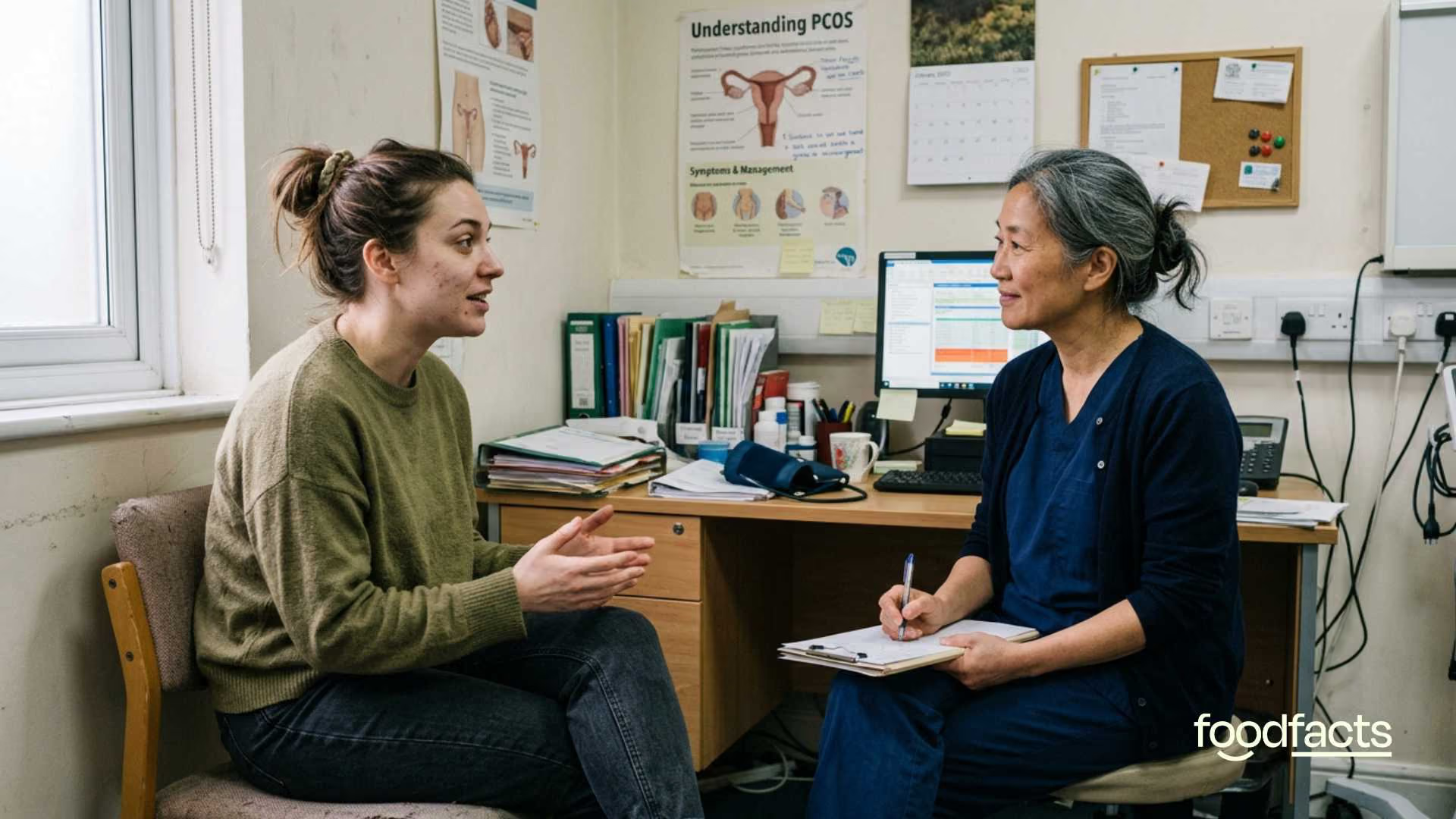




PCOS renamed PMOS: what you need to know about the new name




Polycystic ovary syndrome (POCS) has been officially renamed Polyendocrine Metabolic Ovarian Syndrome (PMOS) to correct common misunderstandings about the condition.
The term PCOS has been criticised for years because it focuses on "polycystic ovaries" even though many people with the condition don't actually have ovarian cysts.
The new name reflects what PMOS really is:
- A hormonal condition
- A metabolic condition
- A reproductive health condition
In other words, it's much more than an ovarian problem.
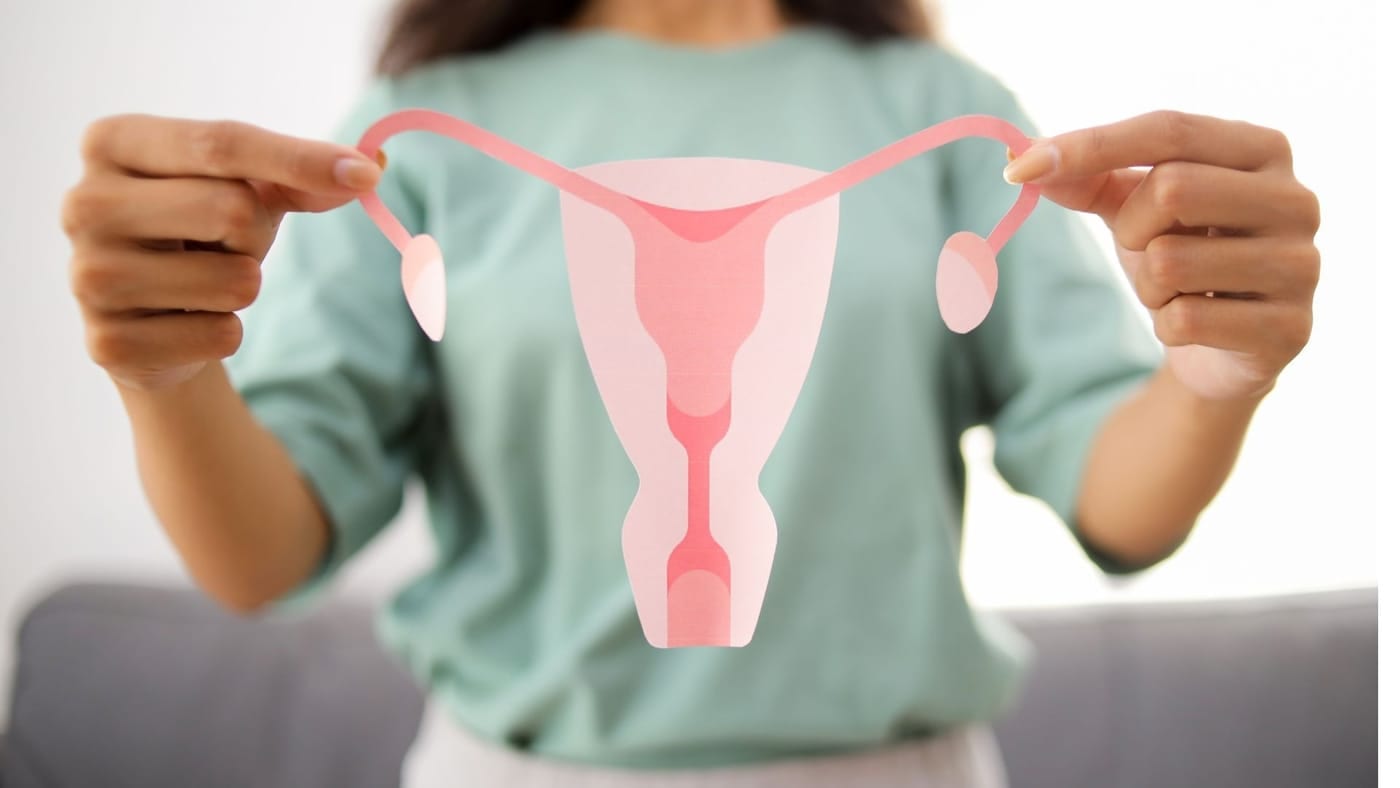
What is PMOS?
PMOS is a lifelong hormonal disorder that often begins during the teenage years or early adulthood.
In PMOS hormonal signalling doesn’t work as it should, leading to higher-than-normal levels of androgens (sometimes called “male” hormones) and other hormone imbalances.
These hormonal changes can affect periods, fertility, skin and long-term health. PMOS can affect ovulation, which means it may make it harder to get pregnant for some people, but it does not mean pregnancy is impossible. Many people with PMOS conceive naturally, while others may need medical support or fertility treatment depending on their individual situation.
To be diagnosed for PMOS you need to meet 2 out of 3 of the following criteria: irregular periods, blood test showing you’ve high levels of androgens or symptoms of high androgens, and/or a scan showing you have polycystic ovaries.
The exact cause of PMOS is still unknown. It is thought to involve a mix of genetic, hormonal and metabolic factors. People are more likely to develop PMOS if they have a family history or type 2 diabetes.
There is currently no cure for PMOS but effective treatments can help manage symptoms and reduce long-term health risks.
What are the common symptoms of PMOS?
Not everyone experiences PMOS in the same way. Some people with PMOS will only experience menstrual problems, others struggle with fertility, and some face both. There’s no “one-size-fits-all” pattern.
Common symptoms include but are not limited to:
Irregular periods or absent periods
- Difficulty getting pregnant
- Excess facial or body hair (hirsutism)
- Acne or oily skin
- Weight gain or difficulty losing weight
- Thinning hair or hair loss
If any of these symptoms sound familiar, it’s worth speaking to your GP.

What are the long-term health risks of PMOS?
Having PMOS can increase your chances of developing other conditions later in life.
People with PMOS have a higher risk of:
Type 2 diabetes - PMOS often involves a degree of insulin resistance meaning your body’s cells don’t respond properly to insulin (a hormone that controls blood sugar levels). Your body compensates for this by making more insulin leading to high insulin levels (hyperinsulinemia). Over time, this can push you toward pre-diabetes and eventually type 2 diabetes.
Depression - This can be common among those diagnosed with PMOS. It is likely due to a combination of hormonal, metabolic and menstrual problems all which can knock self-esteem and confidence.
Cardiovascular disease - Research suggests that high levels of male hormones (androgens) and problems with blood pressure function may contribute to heart and blood vessel damage in those with PMOS.
However, these risks aren’t inevitable. Regular check-ups, exercise, balanced nutrition, quality sleep, and appropriate treatment can make a big difference.
Can diet help with PMOS?
While no single diet fits everyone there are some general diet principles which may help with some of the symptoms of PMOS and support long-term health.
Focus on balanced meals
Build your meals around:
- Lean protein (chicken, fish, eggs, tofu, beans, lentils, pulses)
- Healthy fats (olive oil, avocado, nuts, seeds, oily fish)
- Fruits and vegetables (fresh, frozen, or cooked)
- Low-GI, high fibre carbohydrates (wholegrains, wholemeal pasta, brown rice, oats, pulses)
You can use guides like the EatWell Guide or the Healthy Eating Plate to help you visualise and build balanced meals.
Eat regularly
Aim for three balanced meals with snacks if needed, each day. Eating at regular times can help to keep blood glucose levels steadier and may support insulin sensitivity over time. It can also prevent you from getting too hungry, which reduces the risk of overeating or choosing whatever is quickest and potentially less nourishing later in the day.
Choose low GI carbohydrates and wholegrains
Aim to swap refined carbohydrates (such as white bread, white pasta and sugary cereals) for lower GI, higher-fibre options (such as oats, granary, wholemeal bread and quinoa). Low GI foods are digested more slowly so they give you more stable energy and may help your body to manage blood sugar better over time.
There’s no current evidence that you must cut out whole food groups like all carbohydrates or all dairy to manage PMOS; what matters most is overall diet quality, balance and what you can stick with long term.
Does weight make a difference to PMOS?
PMOS can affect people of all different sizes. While weight isn't the cause of the condition, it can influence how symptoms show up and how severe they feel.
For people living with overweight or obesity, losing around 5-10% of body weight may help improve:
- Menstrual regularity
- Insulin resistance
- Fertility
- Long-term metabolic health
Losing weight with PMOS is uniquely challenging due to hormonal imbalances and insulin resistance which can slow metabolism and make weight loss harder than it is for people without the condition. If you have PMOS and have struggled with your weight, it is not a personal failure or lack of willpower, your biology is playing a role too.
Focusing on making sustainable changes and implementing long-term habits like balanced meals, staying active, getting enough sleep and managing stress are practical habits which can support health and symptom control, regardless of weight loss.
For some people, improvements in cycle regularity, energy and blood markers happen even with very modest or no weight change, so it’s worth focusing on behaviours, not just the number on the scale.

Will the PMOS name change affect treatment?
Short answer: No.
The renaming of PCOS to PMOS is about improving understanding of the condition, not changing how it's diagnosed or treated.
What stays the same:
- Your diagnosis remains the same
- Current treatment options
- Lifestyle changes are still the foundation of management
- Medications, hormonal contraception and fertility treatments remain important options when needed
You may see both PCOS and PMOS used in clinics, online and in healthcare letters during the transition period. They are referring to the same condition.
Experts hope the new name will lead to better care by:
- Earlier diagnosis
- Greater recognition of the metabolic aspects of the condition
- More holistic treatment approach
- Increased research and better treatment options in the future
What red flags should you look out for regarding PMOS content online?
Social media can be a great source of support and shared experiences but it can also be full of misinformation. Here are some common red flags to watch out for:
PMOS can be “cured” or “reversed” with supplements
There is currently no supplement proven to cure PMOS.
Some supplements may help certain symptoms in some people, but no vitamin, powder or herbal product has been shown to reverse the condition.
PMOS can be cured with a diet such as the low carbohydrate keto diet
No single diet has been proven to cure PMOS.
While some people feel better making certain dietary changes, there is no evidence that everyone with PMOS needs to follow keto, go dairy-free or eliminate carbohydrates.
Birth control pills cause PMOS or worsen symptoms
Hormonal contraception does not cause PMOS.
What can happen is that the contraceptive pill masks symptoms, and those symptoms become noticeable when contraception is stopped. The condition was already there, it just wasn't obvious.
For many people, hormonal contraception remains a safe and effective way to manage symptoms.
Mainstream medication may suppress PMOS but doesn’t address its root cause
This claim is often used to sell expensive programmes, supplements or testing packages.
Evidence-based treatments such as hormonal contraception and metformin can target important aspects of PMOS, including irregular periods and insulin resistance. They are legitimate medical treatments, not "band-aids."
Be sceptical of anyone claiming they alone know the “real root cause” and can fix it for a fee, especially if they promise to restore fertility quickly or suggest that PMOS means pregnancy is impossible. Fertility in PMOS is complex and highly individual, so anyone trying to conceive should seek proper medical advice rather than rely on one-size-fits-all online advice.
Remember:
If PMOS content sounds too good to be true, it probably is.
The most trustworthy sources acknowledge that:
- PMOS is complex
- There is no quick cure
- Treatment looks different for different people
- Long-term management is usually more effective than extreme short-term fixes
Use social media for support and community but get your medical information from qualified healthcare professionals and reputable health organisations.
What PMOS means for you: Key points to know
- PMOS is the new name for PCOS - the condition hasn’t changed, but the wording now better reflects the science.
- Diagnosis and treatments remain the same for now, and lifestyle, medication and (if needed) fertility treatments all have a role.
- Be cautious of any online content promising quick cures, strict “must follow” diets or pill-only fixes; look for sources that acknowledge nuance and long-term management instead.

Independent fact-checking, funded by readers like you.
Misinformation is a growing threat to our health and planet. At foodfacts.org, we're dedicated to exposing the truth behind misleading food narratives. But we can't do it without your support.
References
The Lancet Diabetes & Endocrinology Commission (2026). “Global burden and management of polycystic ovary syndrome.”
World Health Organization (2023). “Polycystic ovary syndrome.”
NHS England (no date). “Polycystic ovary syndrome (PCOS).”
Moran, L.J. et al. (2023). “Polycystic ovary syndrome.”
Teede, H.J. et al. (2021). “International evidence-based guideline for the assessment and management of polycystic ovary syndrome 2018: guideline update.”
Teede, H.J. et al. (2025). “Dietary interventions for polycystic ovary syndrome: a review.”
British Dietetic Association (2024). “Polycystic ovary syndrome (PCOS) — diet.”
NHS England (2026). “The Eatwell Guide.”
Harvard T.H. Chan School of Public Health (2023). “The Healthy Eating Plate.”
British Dietetic Association (2024). “Polycystic ovary syndrome (PCOS) — diet.”
Smith, J. et al. (2024). “Dietary patterns and reproductive health.”
Jones, A. (1992). “Insulin resistance and polycystic ovary syndrome.”
Brown, R. et al. (2023). “Long-term outcomes in women with polycystic ovary syndrome.”
Martin, K. et al. (2025). “Metabolic and reproductive impacts of diet in PCOS.”
Patel, S. et al. (2022). “Gut microbiota and polycystic ovary syndrome.”



foodfacts.org is an independent non-profit fact-checking platform dedicated to exposing misinformation in the food industry. We provide transparent, science-based insights on nutrition, health, and environmental impacts, empowering consumers to make informed choices for a healthier society and planet.






.svg)


.svg)

