




The hidden trade behind Europe’s endangered eel




The European eel used to be everyday food. It was cheap, abundant and woven into food cultures from London’s jellied eels to Spain’s angulas. Today, its population has collapsed by around 90–95% compared with the 1980s, and it is classified as Critically Endangered. In parts of the North Sea, the number of young eels returning is now less than 1% of historic levels. Yet demand has not disappeared. It has gone underground.
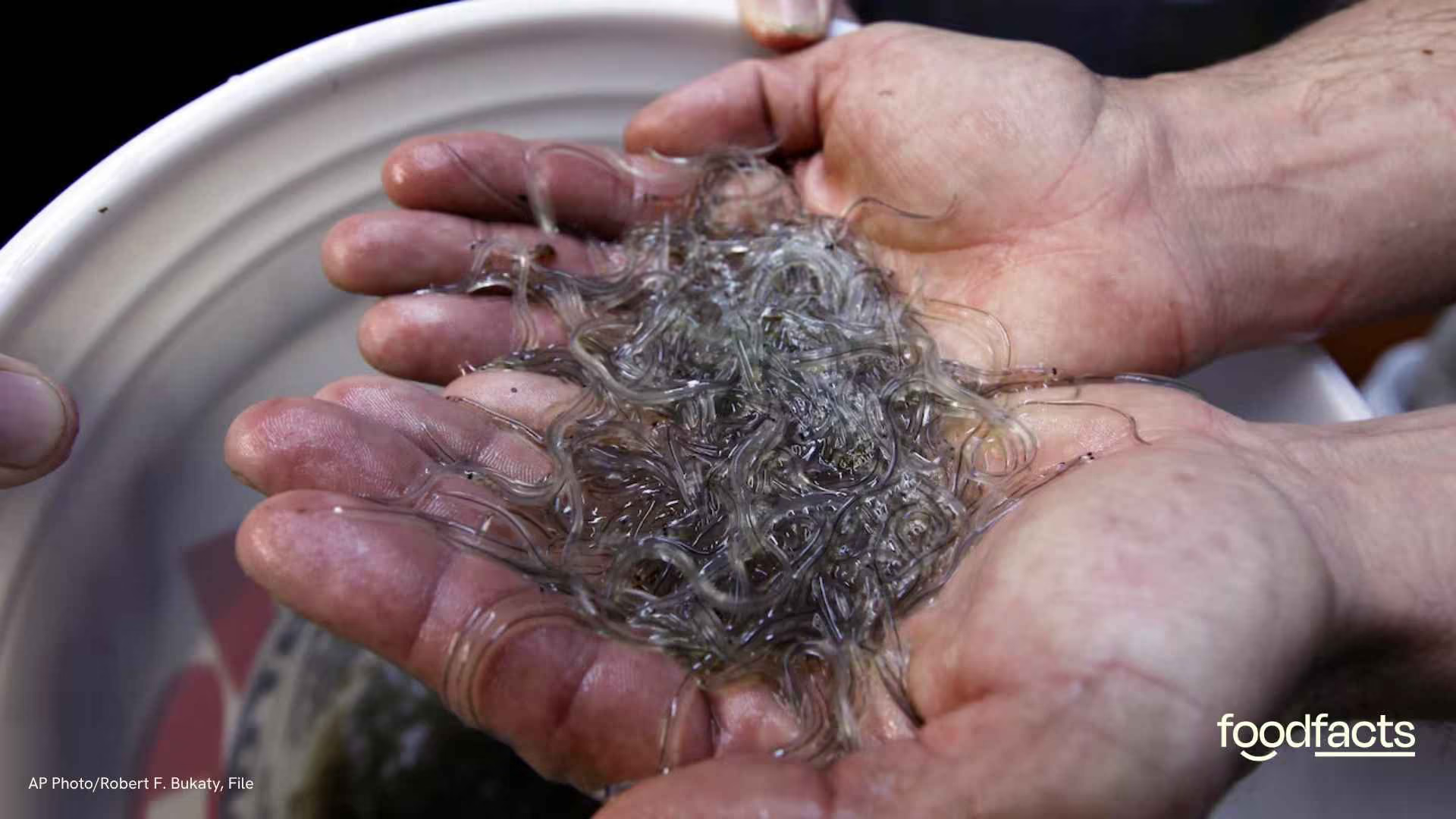
A new documentary, Billion Dollar Babies, produced by the BBC, ARTE and ZDF, follows the illegal trade in glass eels — the tiny, transparent juvenile stage of Anguilla anguilla. The film shows how these matchstick‑sized fish are trafficked from European rivers to East Asian farms on a scale that Europol estimates amounts to up to €2.5–3 billion a year in downstream market value at peak. Some enforcement officials have referred to glass eels as 'the cocaine of the sea' because of the profitability and scale of the trafficking.
Why glass eels are so valuable
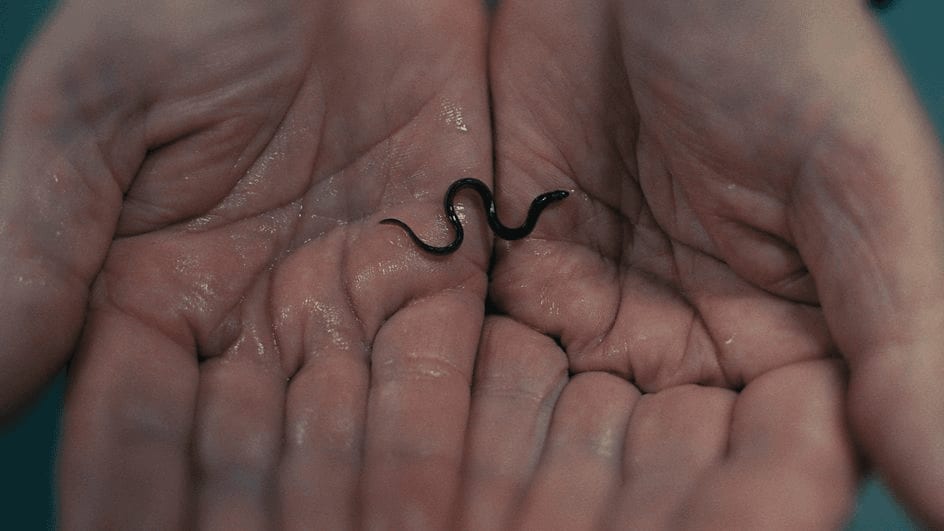
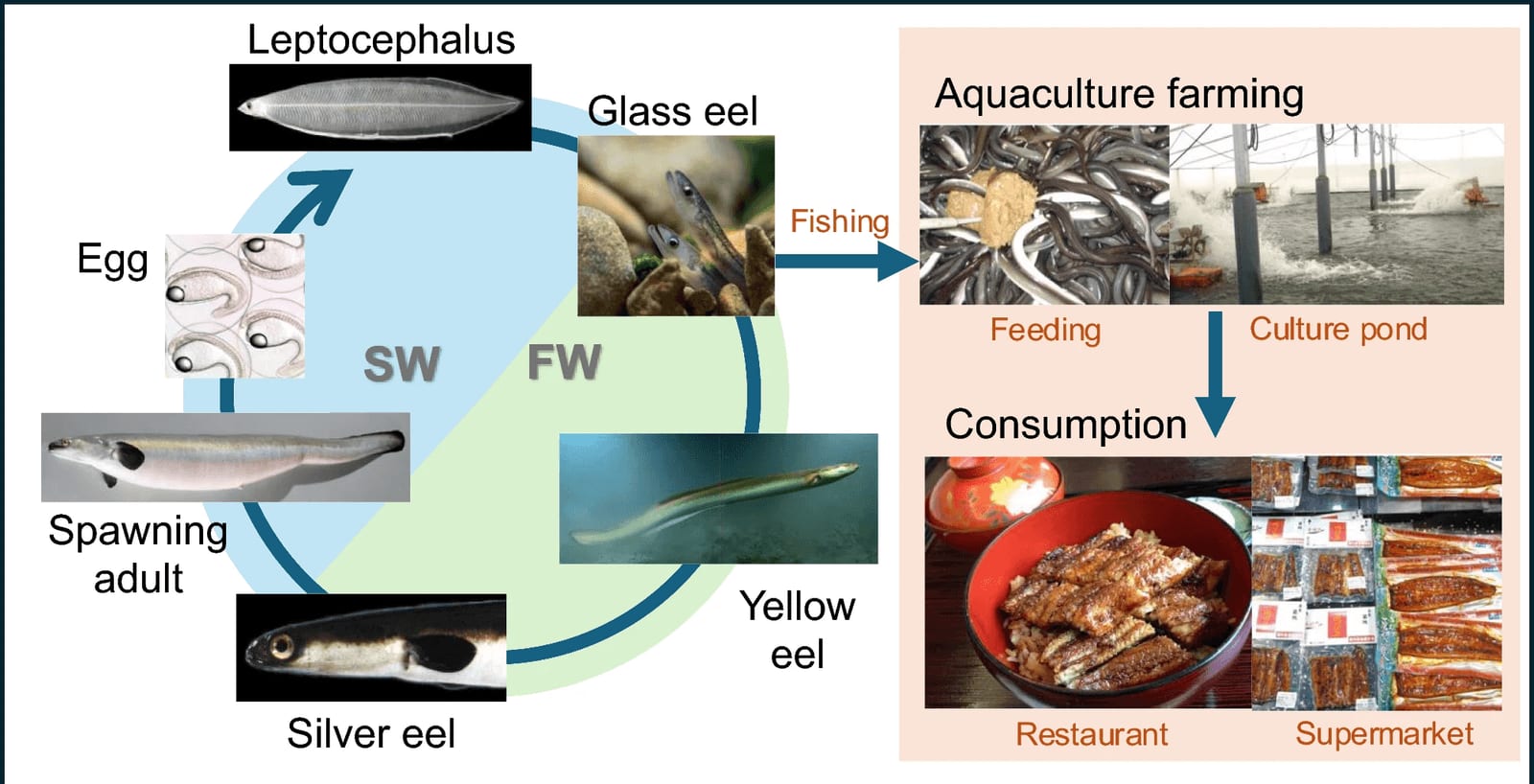
The basic biological problem is simple: European eels cannot be commercially bred in captivity. Virtually all commercially sold eel currently depends on wild‑caught juveniles. Adults migrate thousands of kilometres from European rivers to the Sargasso Sea to spawn, and their larvae drift back to European coasts, arriving as glass eels just a few centimetres long. Despite decades of research, including hormone‑based experiments in Denmark, no one has yet closed this life cycle at a commercially viable scale.
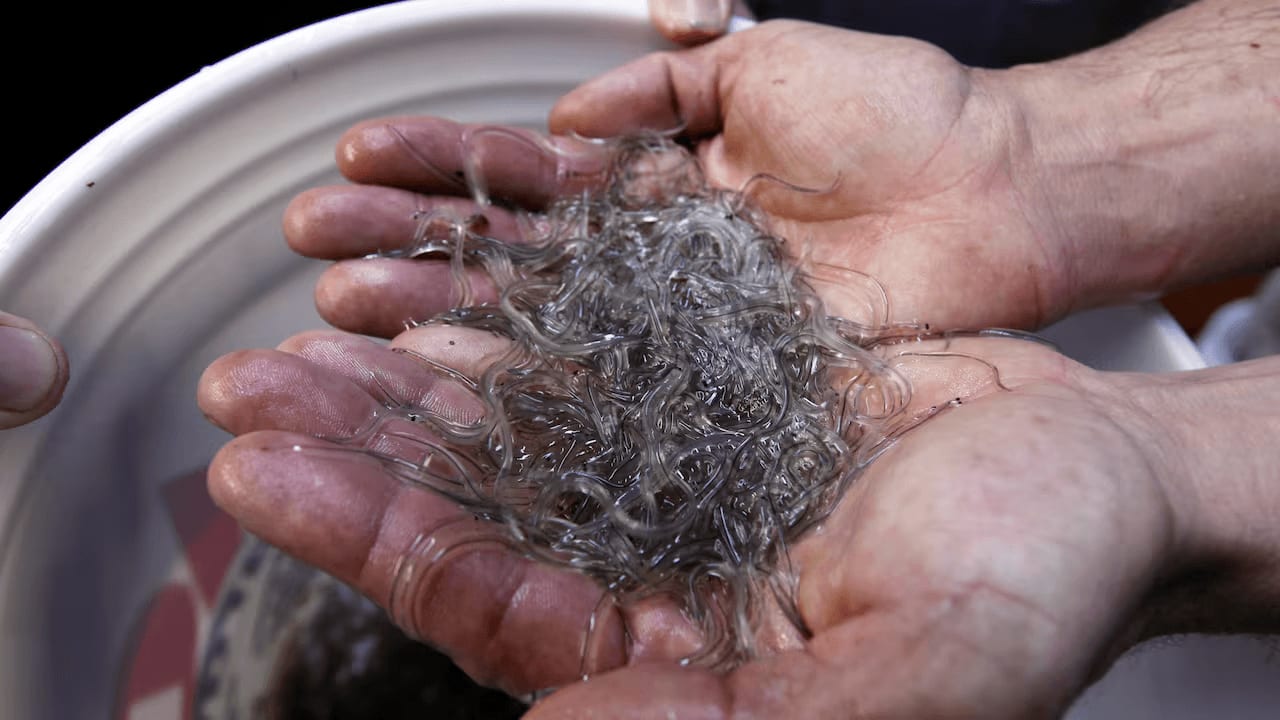
That bottleneck turns each glass eel into a high‑value input. East Asian farms, especially in China, raise imported glass eels into market‑size fish, supplying demand for dishes like grilled eel. Because legal exports from the EU to non‑European countries have been banned since 2010, a parallel market has flourished. Prices in Asia can reach around €6,000 per kilogram of live glass eels. When a single shipment can weigh hundreds of kilograms, the sums involved are huge.
How the trafficking works
According to Billion Dollar Babies and recent Europol operations, the supply chain begins with licensed fishers and poachers along estuaries in France, Spain, the UK and other countries. During winter and early spring, they catch glass eels as they move upriver, then sell them on to middlemen. These intermediaries concentrate the catch in hidden tanks, keeping the animals alive in cooled, oxygenated water until they are ready to move.
From there, the trade looks like a blend of normal seafood logistics and organised crime. Glass eels are packed into plastic bags, slipped into suitcases or freight, and shipped through transit countries such as Morocco, Cyprus or Senegal before heading to Asia. A single consignment can contain hundreds of thousands of animals. Traffickers interviewed in the documentary say the risk‑to‑reward ratio is far better than for drugs: high margins, much softer penalties if caught.
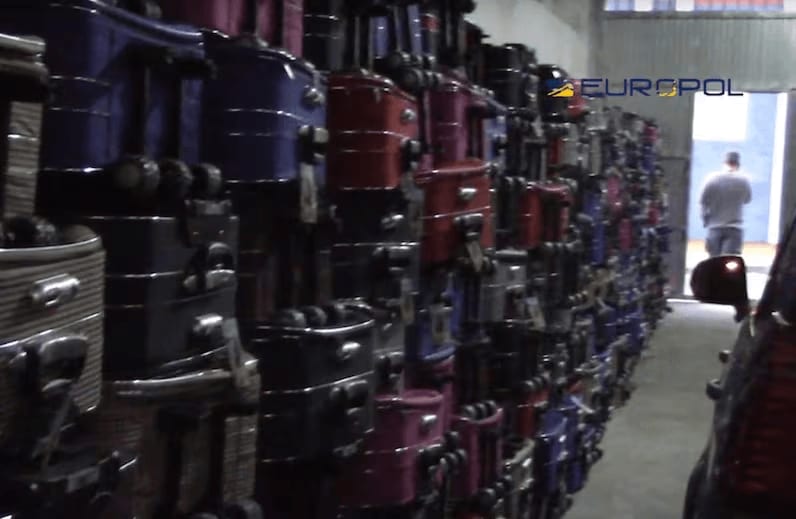
Europol’s multi‑year Operation LAKE involved more than 16,000 inspections and seized 22 tonnes of glass eels in the 2024–2025 season, with dozens of arrests across 21 countries. Even so, authorities estimate that about 100 tonnes of glass eels still leave Europe illegally each year. That is on top of tens of tonnes of legally reported catches for domestic use.
When a food commodity finances crime
The documentary goes beyond the mechanics of smuggling to show how glass eel money feeds into wider criminal economies. One of the most striking threads leads to Haiti. Investigative reporting, including journalism cited in the film, has alleged that the eel export industry there became entangled with illicit financial flows and that powerful figures with political connections were involved. No direct link between the eel trade and the assassination of President Jovenel Moïse has been established, and these allegations remain unproven in court. What reporting does indicate is that, in the months before his assassination in 2021, Moïse had reportedly begun investigating Haiti's eel exports and, according to The New York Times, was compiling a dossier of suspected traffickers he planned to share with US authorities. Whether or to what degree the eel trade motivated the plot against him has not been determined.
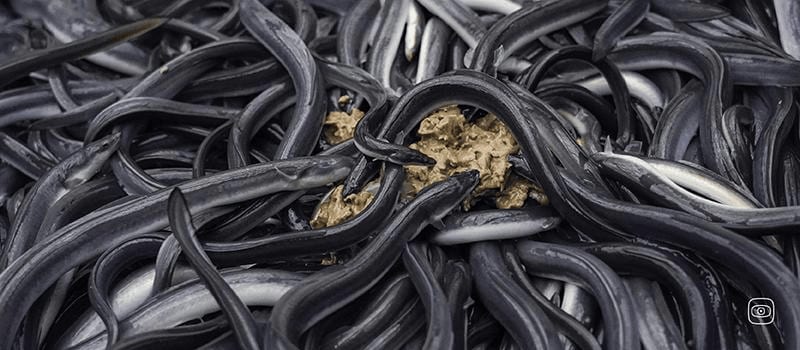
Glass eels are not the only wildlife product used this way. The Financial Action Task Force has identified illegal wildlife trade as a significant source of illicit financial flows and urged countries to treat it as a serious money‑laundering risk. Yet most bank and regulator systems still focus more on drugs and fraud than on environmental crime. Eel trafficking shows what falls through that gap: a food product that can quietly move millions across borders with minimal scrutiny.
A blurred line between legal and illegal
The film also highlights a controversial, nominally legal trade route: British glass eels exported to Kaliningrad, a Russian exclave on the Baltic Sea. After Brexit, a UK trader gained a licence to ship millions of glass eels to a Russian firm called Goodfish for a claimed conservation restocking project. Exports surged from roughly 500,000 eels in 2022 to over three million in 2024. Conservationists and journalists pointed out that Kaliningrad’s eel farms were producing over 100 tonnes of eel meat, raising doubts that the imports were truly about conservation.
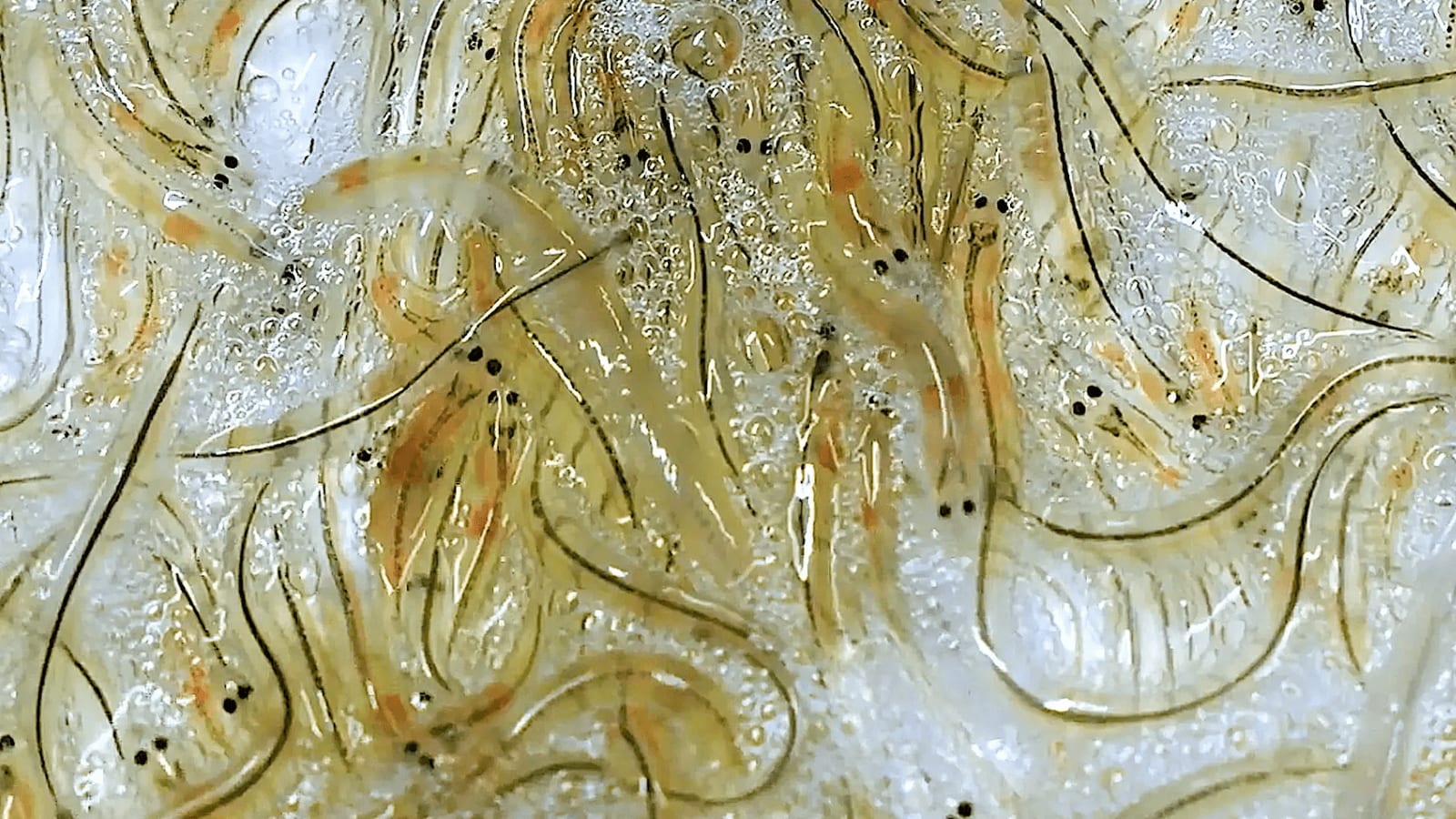
In 2025, the UK environment department revoked the licence, citing illegal‑trade risks and the broader geopolitical situation with Russia. The trader denied wrongdoing. But the episode illustrates how easily “legal” programmes can be used to mask commercial or illicit activity, especially when there is poor monitoring of what happens to animals after export.
Regulation that hasn’t kept up
On paper, the European eel is well protected. It is listed on Appendix II of CITES, classed as Critically Endangered by the IUCN, and subject to an EU export ban. ICES has advised that anthropogenic mortality should be reduced as close to zero as possible across all life stages since 2021, and effectively zero human‑caused mortality since 2003. Yet eel fishing still continues in many countries, and reported catches remain far above what scientists consider sustainable.
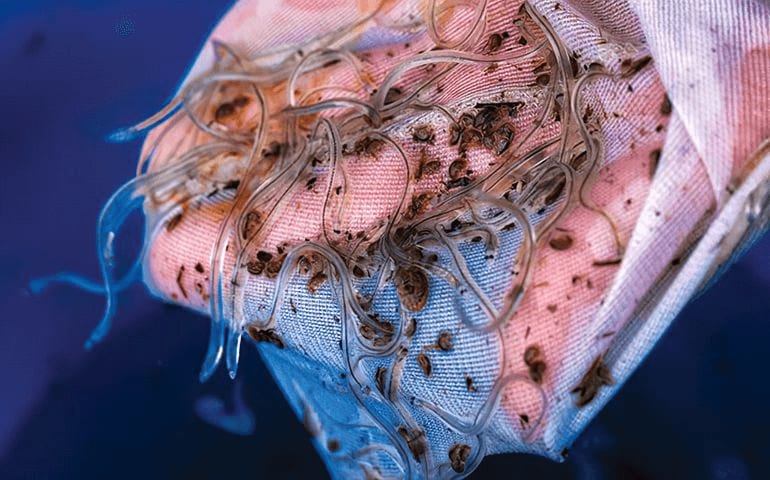
At the 2025 CITES summit in Samarkand, the EU proposed listing all 16 anguillid eel species under Appendix II to close loopholes between regions. Parties rejected the proposal by 100 votes to 35. Conservation organisations described this as a missed opportunity that leaves major gaps for traffickers to exploit, especially as Asian eel stocks have declined and demand shifts towards other species.
What this means for people who eat eel
For consumers, this all raises uncomfortable questions. A 2025 DNA‑based study of global eel consumption found that the vast majority of eel products on the market come from threatened species, including European eels. At the same time, a recent UN‑backed report estimated that around one in five aquatic products worldwide are mislabelled or otherwise fraudulent. Once an eel is filleted and sauced on a plate, it is almost impossible to tell which species it was or where it came from without lab testing.
Given this mix of conservation concern, illegal trade and seafood fraud, many conservation organisations and seafood advisory groups recommend avoiding eel unless strong traceability and species verification are available. That is a high bar for most restaurants and retailers. For readers interested in the wider pattern, foodfacts.org has covered how seafood fraud and mislabelling affect both ecosystems and public trust in food labelling.

Independent fact-checking, funded by readers like you.
Misinformation is a growing threat to our health and planet. At foodfacts.org, we're dedicated to exposing the truth behind misleading food narratives. But we can't do it without your support.
References:
- Wikipedia (n.d.). European eel
- European Parliament Briefing (May 2024). Addressing the critical state of European eel stocks
- European Commission (n.d.). Eel
- BBC Documentary (1 April 2026). Billion dollar babies
- BBC Podcast (24 March 2026). Billion dollar babies
- Euronews (25 February 2026). Global crackdown on the ‘Eel Mafias’ behind a billion-euro wildlife crime
- Miami Herald (1 February 2025). Icky to some, ‘diamonds’ to others: How eels figure into money laundering in Haiti
- BBC (24 March 2026). BBC Eye investigation uncovers the secret networks smuggling endangered European glass eels from rivers in Europe to Asia, coordinated by Hong Kong gangs
- Undercurrent (27 November 2025). CITES committee rejects EU bid to list all eel in Appendix II
- Kaifu, K., et al. (15 August 2025). Global consumption of threatened freshwater eels revealed by integrating DNA barcoding, production data, and trade statistics.
- United Nations (10 February 2026). Fresh report warns fish fraud extends to one fifth of global catch
- foodfacts.org (n.d.). Aquaculture



foodfacts.org is an independent non-profit fact-checking platform dedicated to exposing misinformation in the food industry. We provide transparent, science-based insights on nutrition, health, and environmental impacts, empowering consumers to make informed choices for a healthier society and planet.






.svg)


.svg)

