





Britain's junk food trap: how corporate power and ultra-processed diets are rigging our food system — and how to fix it




The foods flooding supermarket shelves aren't there by accident. From mass-produced burgers to instant noodles, the dominance of ultra-processed foods and intensively produced animal products reflects how modern food systems actually work, and who profits from them.
Our recent discussion paper challenges the assumption that these foods are commonplace simply because consumers choose them. Instead, it reveals something deeper: the financialisation of food systems as one of the key structural forces shaping what gets produced, how products are marketed, and what ends up on your plate. This perspective opens the door to systemic and potentially transformative solutions.
The hidden architecture of food systems
When we talk about what's wrong with modern diets, the conversation usually focuses on individual choices. Eat less ultra-processed food. Read the label. Exercise more. But this framing misses the bigger picture: the food industry itself is structured to prioritize profit over nutrition.
Financialisation describes how financial actors, pension funds, hedge funds, investment firms, now exert enormous influence over food production, processing and distribution, reshaping how food systems are structured and governed. Broadly speaking, these investors, and the financial markets they operate within, prioritize one goal above all: shareholder value maximisation. That means rapid growth, cost-cutting, and expansion of products that deliver the highest profit margins.
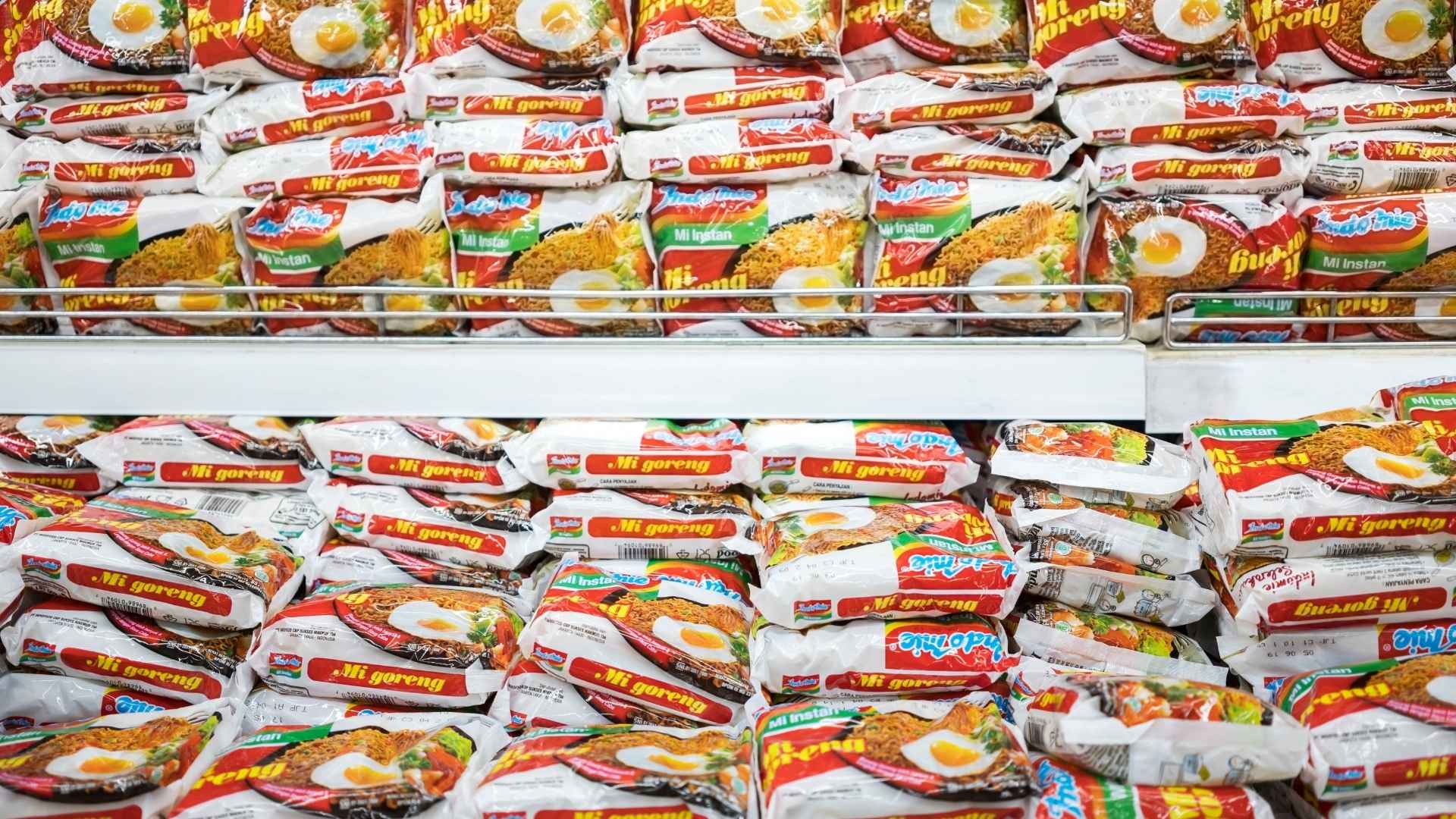
In recent decades, financialisation has become one of the defining features of food systems, fuelling corporate consolidation, and creating new avenues for value to be extracted from farmers, citizens, animals and nature, into the financial sector. Ultra-processed foods and factory-farmed animal products fit perfectly into this model.
Analysis of the financial performance of US food and agricultural corporations shows that ultra-processed food manufacturing is extremely effective at maximising profits and generating shareholder returns. Between 1962 and 2021, of the $2.9 trillion in shareholder payouts by corporations operating across food production, processing, manufacturing, fast food, and retail sectors, more than half ($1.5 trillion in 2021 US dollars) was distributed by UPF manufacturers alone. This profitability creates a feedback loop, perpetuating the business model, generating surplus resources for continued corporate expansion, driving consolidation across supply chains.
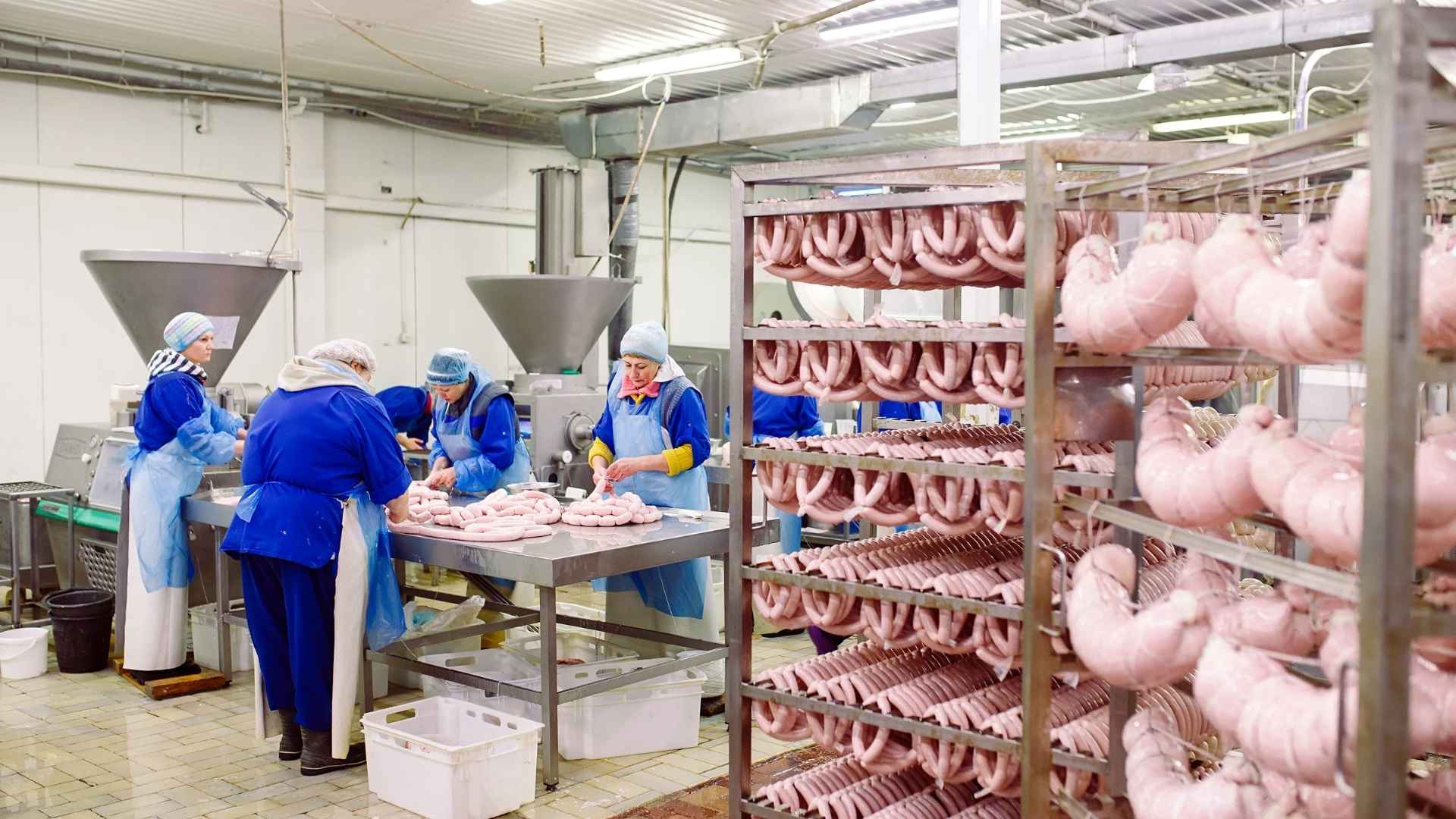
The results are stark. In the US beef industry, just four corporations, JBS, Tyson Foods, Cargill, and National Beef—control roughly 85% of processing, up from 36% in 1980. In pork processing, three firms control 63%. For grain, which forms the backbone of both ultra-processed foods and animal feed—just four companies dominate global markets. This concentration gives these firms extraordinary power: they decide what gets grown, what gets processed, and crucially, what gets subsidized.
Government subsidies are feeding the problem
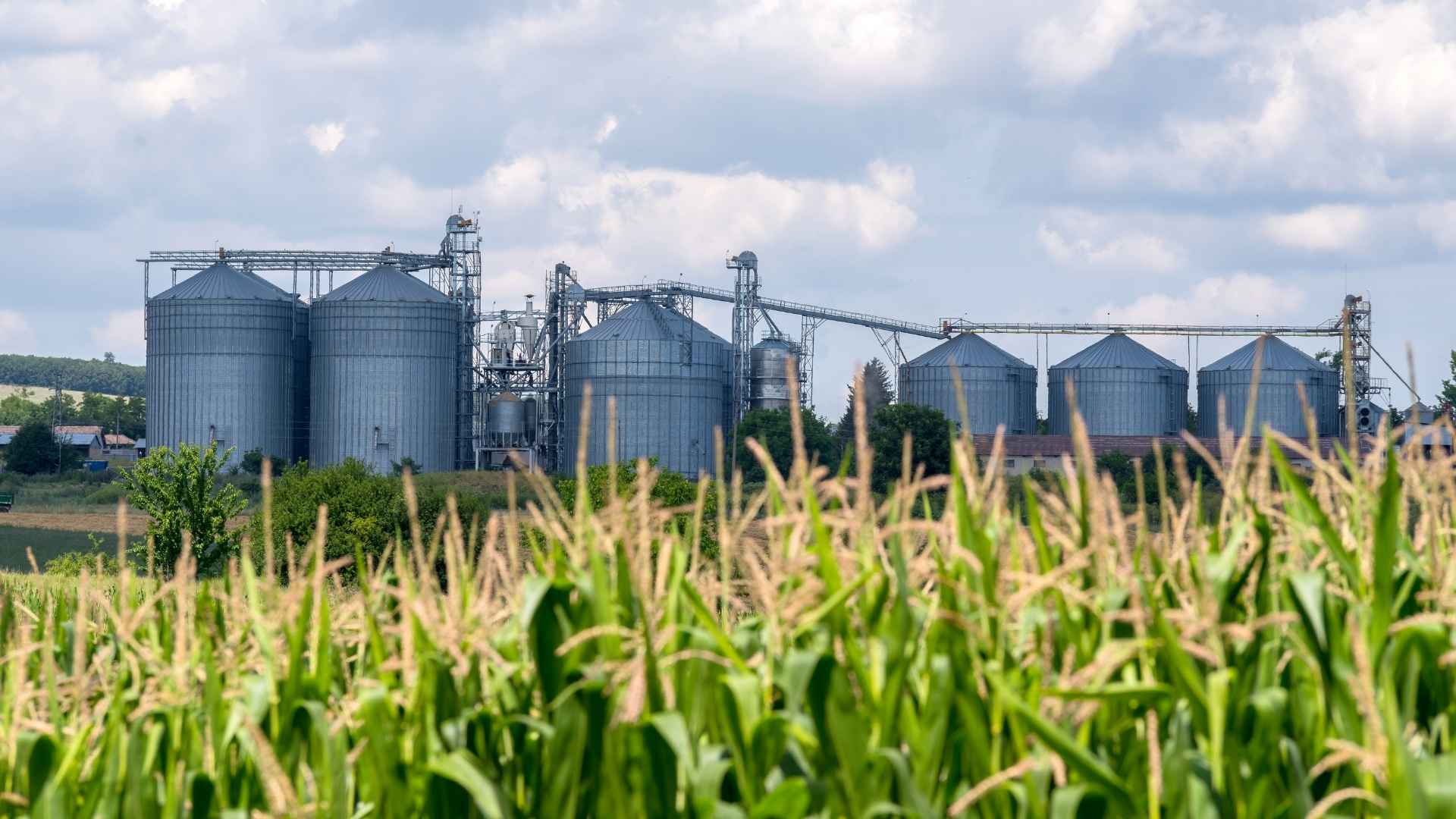
The US government annually distributes billions in agricultural subsidies to farmers. In 2024, that totaled $9.3 billion, with the vast majority going to just a handful of crops: corn, soybeans, wheat, and cotton. Corn alone received $3.2 billion, accounting for 30.5% of all subsidies.
On the surface, this seems designed to support farmers. In reality, these subsidies lock farmers and the food industry into a harmful dynamic. That heavily subsidized corn doesn't primarily go to dinner tables—it becomes livestock feed for intensive animal operations and a key ingredient in countless ultra-processed products, from sweeteners to cooking oils. Subsidized soy follows the same path.
This creates a rigged system. Large food corporations benefit from artificially cheap inputs, allowing them to produce ultra-processed foods at prices small competitors can't match, thereby generating sizable shareholder returns. Meanwhile, farmers—the supposed beneficiaries—have little autonomy. Many operate under contract farming arrangements that bind them to corporate suppliers and processors, trapping them in cycles of debt and dependency.
More than just nutrition: the wider toll
High consumption of ultra-processed foods has been linked to increased risks of diet-related chronic diseases, mental health disorders including anxiety and depression, and cardiovascular disease. Factory farming drives zoonotic disease risk and accelerates the spread of antimicrobial resistance through routine antibiotic use in high-density farming, a growing public health threat.

The environmental footprint is equally concerning. Ultra-processed food production relies on large-scale monoculture cropping that depletes soil, requires heavy pesticide use, and generates plastic waste. Intensive animal agriculture produces the largest share of greenhouse gas emissions from farming and drives deforestation and land conversion.
Beyond environment and health lie justice issues. Mass production of these foods relies on exploitative labour practices, land-grabbing particularly in the Global South, and confinement systems that cause significant animal suffering.
Why blame the consumer when the system is the problem
Current policy responses to these issues often place responsibility on individuals. Public awareness campaigns tell people to read labels. Nutrition education emphasizes personal choice. Media coverage focuses on (often expensive) product swaps. .
But here's the problem: when the system itself is designed to make unhealthy food the cheapest and most convenient option, telling people to choose differently is asking them to fight against massive structural forces. A single parent working multiple jobs facing limited time, tight budgets, and food deserts—where affordable fresh food is virtually unavailable—isn't making a "bad choice" by buying ultra-processed meals. They're rationally responding to the environment created by financialised, corporate dominated food systems.
Individuals are often faced with limited choices, aggressive marketing, and misleading food labels, which further complicate matters. Terms like "natural," "uncured," and "made with real fruit" are often unregulated or misleading. A product labelled "no cholesterol" might still be loaded with saturated fat and sugar. The industry has perfected the art of making junk food look healthy.

This isn't accidental. The logic of the system dictates that corporations should prioritize shareholder value, prompting them to invest heavily in marketing and lobbying—not in nutrition and transparency. Through this lobbying, the food industry has successfully entrenched a policy paradigm wherein consumer-focused policies (like labelling) are treated as sufficient solutions, leaving the structural drivers untouched.
The real issue: concentrated corporate power
What unites ultra-processed foods and intensive animal agriculture isn't just what they produce—it's how and why. Both industries are characterized by corporate consolidation, granting them significant economic and political power.
Large agri-food corporations use their dominance to:
- Influence regulatory environments through lobbying and "revolving door" arrangements where industry figures move into government positions and back again. This helps shape food safety rules, policy and regulations, and trade agreements in their favour.
- Capture subsidies and tax benefits. Government support flows disproportionately to large operations that can navigate bureaucratic requirements and have political connections.
- Control supply chains from seed to supermarket shelf. Vertical integration means a handful of firms decide which farms thrive and which fail, which products get shelf space, and what prices consumers pay.
Financialisation is one of the forces fuelling this process.. The development of new avenues for capital accumulation and the increasing penetration of financial logics into the food system has incentivized rapid consolidation, cost-cutting, and short-term profit maximization over long-term sustainability or public health.
Solutions exist, they just require tackling power
The good news: there are ‘common leverage points’ that can simultaneously address both ultra-processed food systems and the harms of intensive animal farming. As a starter, governments could:
Revive competition policy. The US and EU could use existing antitrust laws to challenge the dominance of mega-corporations. Breaking up concentrated market power would reduce incentives for the rapid expansion and shareholder-driven growth that fuel consolidation.
Reorient subsidies. Instead of subsidizing commodity crops that feed industrial animal agriculture and ultra-processing, governments could redirect support toward agroecological farming and diversified operations.
Strengthen regulations with teeth. Higher and enforced environmental, animal welfare, health, and labour standards make it more expensive to externalize costs. Currently, corporations pass the burden of pollution, disease risk, and worker exploitation onto society. Robust regulation internalizes these costs, making the calculus of financialised models less attractive.
Support alternative food economies. Cooperatives, social enterprises, community-supported agriculture, and small-scale diversified farms already feed much of the global population. Directing public investment toward these alternatives—through tax exemptions for urban farming, subsidized land access, or preferential procurement policies that support agroecology—creates space for genuinely sustainable systems to grow.

Governance structures matter
Transforming food systems requires more than policy tweaks. It requires reclaiming governance from corporate influence. Currently, food system decisions are made in spaces where corporations have disproportionate access and voice. Industry representatives sit on regulatory bodies, fund research, shape trade negotiations, and participate in so-called "multi-stakeholder" forums—decision-making structures that give them equal status to governments and civil society.
Building genuinely democratic food governance means:
- Creating clear mechanisms to identify and manage conflicts of interest at every level of food system policy-making.
- Limiting corporate involvement in policy and science, particularly research that informs regulation.
- Ensuring a rights-based approach to policy-making and democratic decision-making.
- Building new governance spaces driven by civil society rather than trying to fix already-compromised existing forums.
This requires coordination among diverse groups: public health advocates, farmers, food workers, environmental organizations, animal welfare groups, and communities most affected by current food system failures. Too often, these groups operate in siloes. By looking upstream - at interventions that address the financialised dynamic underpinning excessive corporate power in food systems - new forms of advocacy and alliance building can be conceived.
The path forward
Food is not just fuel. It reflects and shapes our health, environment, and relationships to one another. Current food systems do none of this well—they optimize for corporate benefit and shareholder returns.
Realising the necessary change requires that we look beyond individual responsibility and consumer choice. It requires upstream action to re-wire the economic logic of the system and to free governance and policymaking from undue commercial influence. .
These aren't radical demands. They're a return to the basic principle that food systems should serve people and the planet, not extract from them. The technical and policy solutions already exist. What's needed is the political will to implement them and the coordination among civil society to demand it.
Your food choices matter. But they matter far less than the choices we make collectively about how to structure food systems. That's where real change begins.

Independent fact-checking, funded by readers like you.
Misinformation is a growing threat to our health and planet. At foodfacts.org, we're dedicated to exposing the truth behind misleading food narratives. But we can't do it without your support.
Sources:
- American Action Forum (8 October 2020). Agriculture subsidies and their influence on the composition of U.S. food supply and consumption.
- Climate Sustainability Directory (n.d.). What are alternatives to climate-smart agriculture?.
- Compassion in World Farming (n.d.). Intensive farming and the welfare of farm animals.
- Consumer Reports (15 November 2023). Misleading food labels.
- eCampusOntario (2019). Financialization of food.
- Farm Action (22 July 2020). Trump’s DOJ meatpacker investigation explained and what must happen next.
- Foodfacts (23 January 2025). A closer look at factory farming: why it matters and what can change.
- Foodfacts (4 December 2024). Illegal beef laundering and the climate and nature crisis.
- Foodfacts (17 October 2024). Reducing food waste vs. dietary change: which matters more for the planet.
- Food Revolution Network (18 March 2022). Monocropping and monoculture.
- Food & Power (n.d.). Mergers & acquisitions.
- Nature Communications Earth & Environment (4 August 2023). Intensified livestock farming increases antibiotic resistance genotypes and phenotypes in animal feces.
- Nutrition.org.uk (24 April 2023). The concept of ultra-processed food: Background information.
- ScienceDirect – Food Policy (September 2023). Financialization and its impacts on food systems.
- THEIS, R. Z., & WHITE, M. (2021). Is Obesity Policy in England Fit for Purpose? Analysis of Government Strategies and Policies, 1992–2020. The Milbank Quarterly, 99(1), 126-170. https://doi.org/10.1111/1468-0009.12498
- The Humane League (27 October 2025). What is factory farming.
- UN Food Systems Coordination Hub (n.d.). Transforming food systems, turning wrongs into rights.
- USAFacts (17 May 2022). Federal farm subsidies: What the data says.
- WHO / NCBI (31 January 2019). Ultra-processed foods and health outcomes: A review of evidence.
- World Nutrition Regulatory Portal (n.d.). Ultra-processed foods and the NOVA classification.



foodfacts.org is an independent non-profit fact-checking platform dedicated to exposing misinformation in the food industry. We provide transparent, science-based insights on nutrition, health, and environmental impacts, empowering consumers to make informed choices for a healthier society and planet.






.svg)


.svg)

