
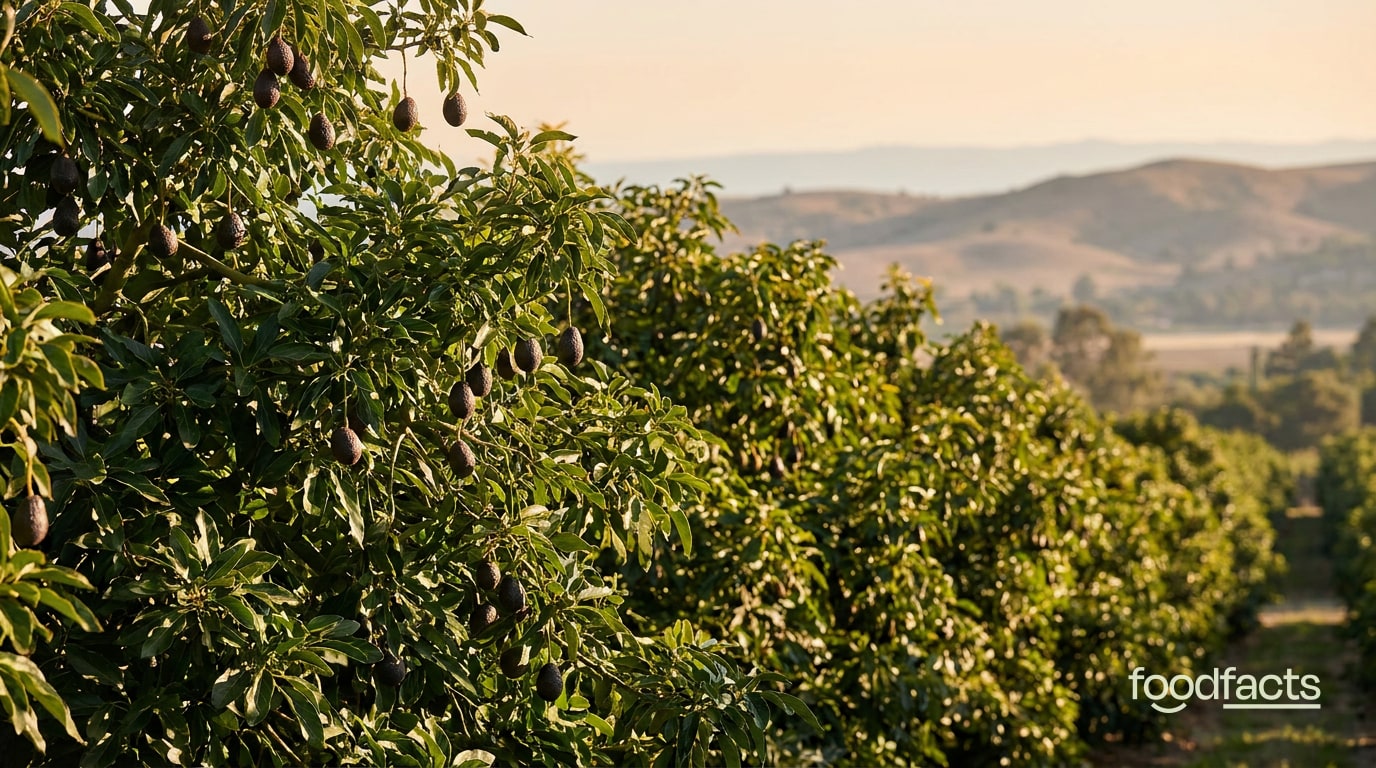




Are vegans really destroying the planet with avocados? We look at the evidence




Few food debates get recycled as often as the claim: “Vegans are destroying the planet with their avocados!” It’s a neat rhetorical trick—call out a trendy plant-based food with documented environmental issues, and suddenly all of veganism looks hypocritical.
But here’s the thing: it’s a red herring. This argument doesn’t hold up under scrutiny, and worse, it distracts from the real work of fixing our broken food system.
1. Meat eaters eat avocados too (and more of them).
Let’s start with the obvious: avocado consumption is not a vegan phenomenon. In the U.S., per capita avocado consumption has quadrupled since the early 2000s, driven largely by mainstream omnivorous diets. Think:
- Avocado on turkey sandwiches
- Chicken-and-avocado wraps
- Bacon-topped avocado toast
- Mountains of guacamole at sports bars
A quick reality check: only about 1–2% of people identify as vegan, so even if every vegan lived off avocados, they wouldn’t come close to driving global demand. This is not a “vegan” problem—it’s a food system problem.
Blaming vegans for avocados is like blaming cyclists for traffic jams because they also use the road.
2. Avocados are not a “meat replacement”—it’s a false equivalence.
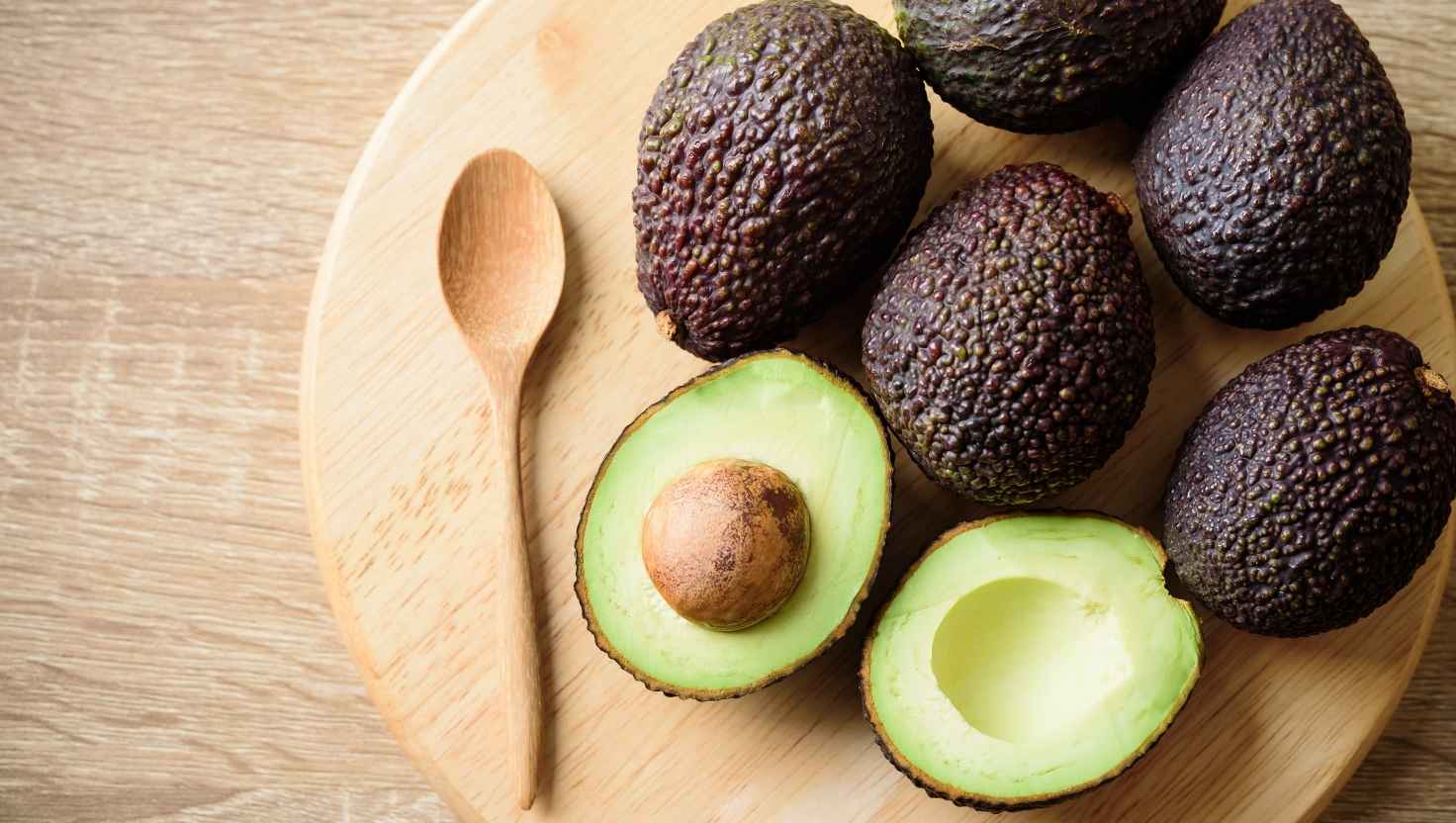
The avocado-as-meat-substitute narrative misunderstands both nutrition and plant-based eating. Avocados are prized for their fats and flavor, not protein. They aren’t eaten “instead of” meat; they’re eaten alongside other plant proteins like legumes, tofu, or nuts.
A typical avocado has around 3g of protein. Compare that to:
- 100g of chicken breast: ~31g protein
- 1 cup of cooked lentils: ~18g protein
- 100g of tempeh: ~20g protein
So, no one is swapping steak for avocado. Framing it this way suggests that vegans are single-handedly fueling avocado demand because they’re using it to replace meat, which is simply untrue.
3. Even with their issues, avocados beat meat and dairy on every metric.
Avocado farming has legitimate concerns: high water demands (especially in arid regions), monoculture practices that degrade soil, and in some cases, links to cartel-controlled supply chains in Mexico. These issues deserve serious attention.
But here’s the context rarely mentioned:
- Producing 1kg of beef emits ~60kg of CO₂e on average.
- 1kg of avocados emits ~2.5kg of CO₂e (even when imported by air, which is rare—most avocados are shipped by sea).
- Beef uses 20x more land and roughly 10x more water per calorie than most plant foods, avocados included.
Even dairy—often considered a “lesser evil”—has a higher footprint than avocados. So if we care about environmental impact, avocado toast is still light years ahead of a cheeseburger.

4. The avocado argument distracts from systemic issues.
What’s really going on here? The avocado critique functions as a conversational derailment. Instead of examining meat and dairy—industries that dominate agricultural emissions and land use—we pick on a trendy plant-based food and blame a small minority.
This framing does two things:
- It shifts responsibility away from industrial animal agriculture, the elephant in the room.
- It positions plant-based diets as hypocritical, discouraging shifts that are objectively better for the planet.
It’s a distraction, not a solution.
So what should we be talking about?
If we care about food sustainability, there are real conversations worth having:
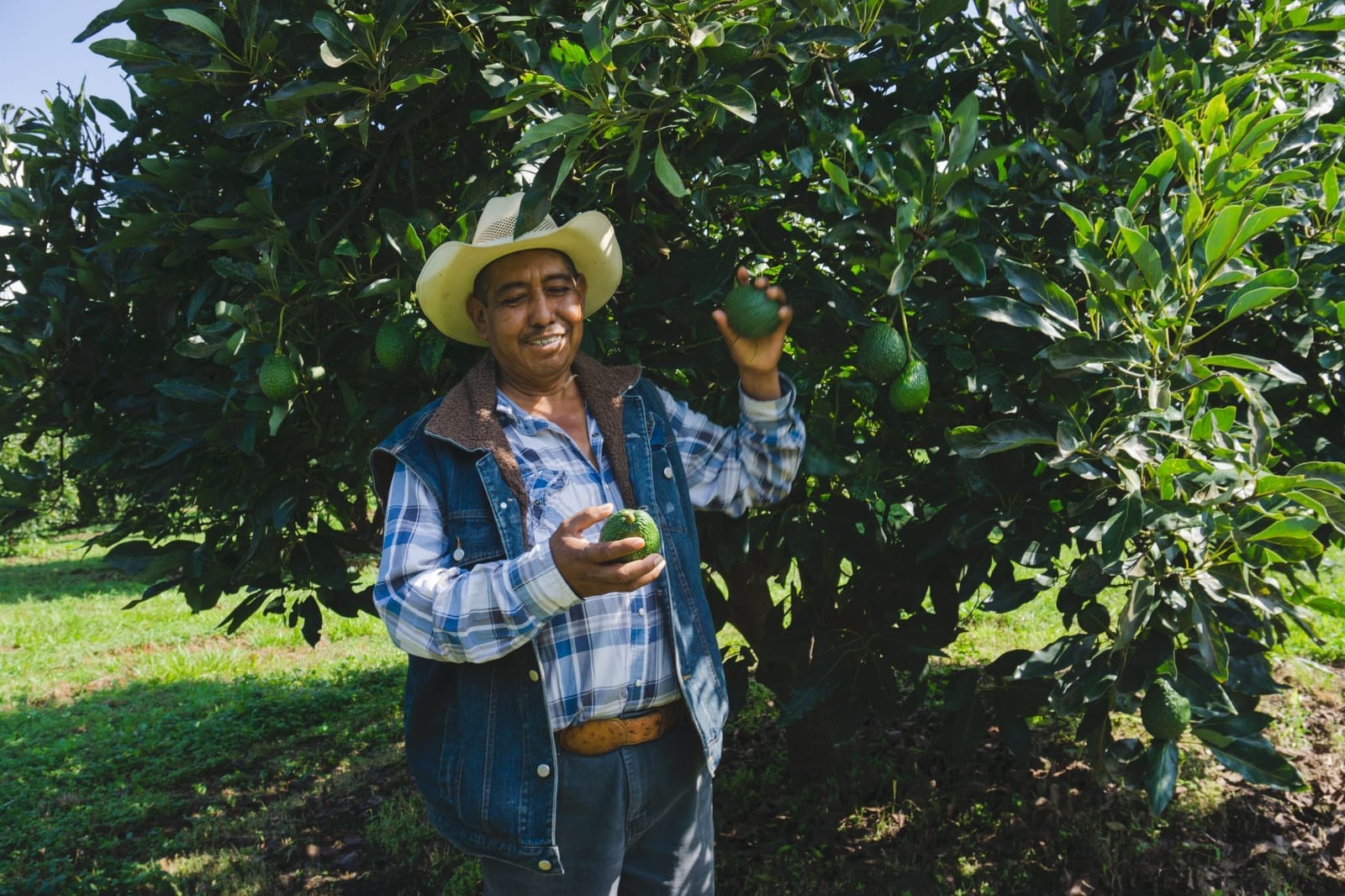
- Diversifying crops: Monocultures (avocados, soy, corn) strain ecosystems regardless of diet. How do we promote regenerative practices and more varied planting?
- Reducing overconsumption: Overeating resource-intensive foods—animal or plant—creates unnecessary pressure on the system.
- Improving supply chains: Ethical sourcing, better water governance, and worker protections are critical for both plants and animals.
These are complex, systemic issues. And they’re solvable—but not if we waste time blaming a fruit.
Bottom line
Avocados aren’t perfect. Neither is any crop. But holding them up as proof that plant-based eating is hypocritical is intellectually lazy. It misplaces blame, ignores data, and sidelines the urgent need to reform how we grow and consume food across the board.
If we’re serious about sustainability, let’s have real conversations about systemic reform—because arguing over avocados is, frankly, small potatoes.

Independent fact-checking, funded by readers like you.
Misinformation is a growing threat to our health and planet. At foodfacts.org, we're dedicated to exposing the truth behind misleading food narratives. But we can't do it without your support.
Resources:
- Food Empowerment Project. The Problem with Avocados
- Plant Based News (4 October 2023). Are Avocados Really Not Vegan? The Truth Behind The Claim
- The Vegan Society. Worldwide growth of veganism
- University of Florida (15 August 2024). An Overview of the Avocado Market in the United States



foodfacts.org is an independent non-profit fact-checking platform dedicated to exposing misinformation in the food industry. We provide transparent, science-based insights on nutrition, health, and environmental impacts, empowering consumers to make informed choices for a healthier society and planet.






.svg)


.svg)

