
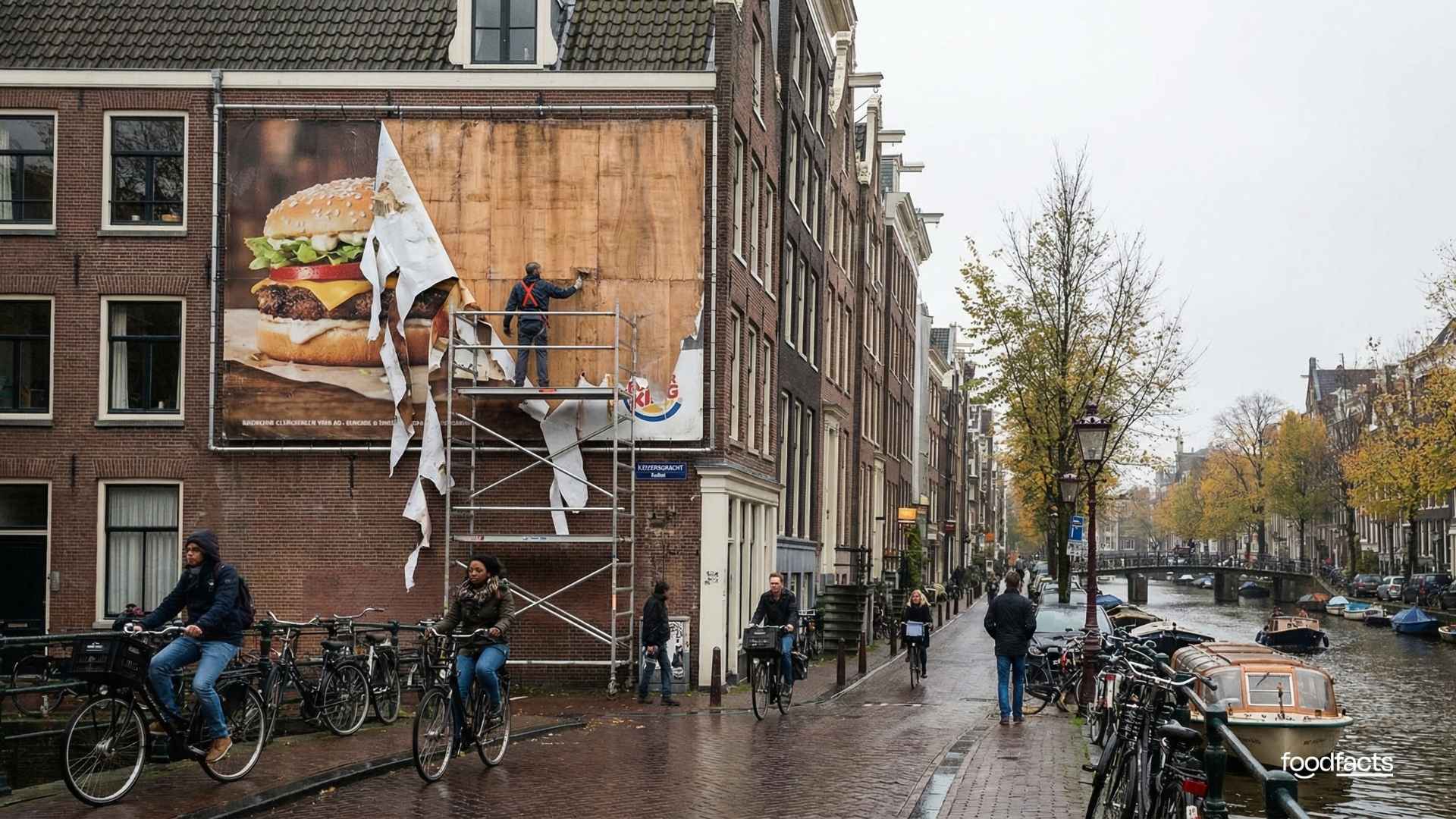




Amsterdam bans meat advertising: the first capital city to restrict meat ads in public spaces




Amsterdam has made history as the first capital city to ban meat advertising in public spaces, with the policy coming into force on 1 May 2026. The decision, approved by 27 of 45 seats on Amsterdam's municipal council, was jointly tabled by the Party for the Animals and the Green/Left party. It's a bold move that recognises the outsized environmental impact of meat production and signals a growing political willingness to reshape food systems for the better.
Key takeaways
- Amsterdam implements the first capital city meat advertising ban starting May 1, 2026
- The policy targets billboards, bus stops, and metro stations to support plant-based diet goals
- Livestock production accounts for 12-17% of global greenhouse gas emissions
- Seven other Dutch cities are developing similar sustainable food policies
- The ban aims to help achieve 50% plant-based diets by 2050
What Amsterdam's meat advertising ban covers
The ban prohibits meat advertising across public spaces controlled by the city, including billboards, bus stops, and metro stations. It's designed to support Amsterdam's existing goal of ensuring citizens' diets are 50% plant-based by 2050. Amsterdam isn't alone in this approach—Haarlem became the first non-capital city to implement a similar ban in 2022, and seven other Dutch cities have since begun work on comparable policies targeting sustainable food systems.
Climate and health reasons behind the ban
The rationale is straightforward: livestock production is a major contributor to greenhouse gas emissions, with meat and dairy specifically responsible for around 14.5%.
Animal-based foods emit twice as much greenhouse gas as plant-based foods. By restricting meat advertising, Amsterdam aims to nudge its citizens toward diets that are better for the planet, healthier for people, and kinder to animals.
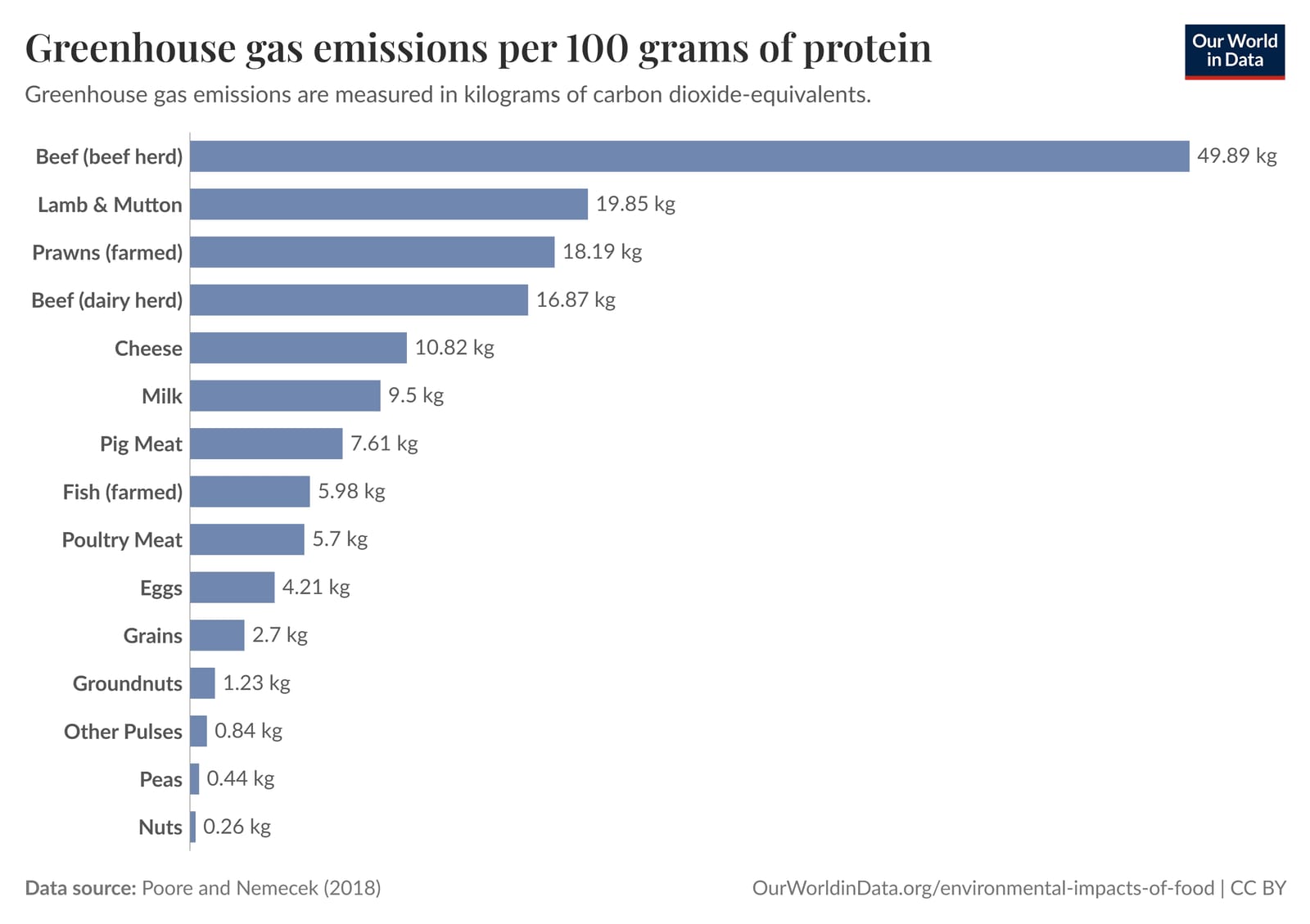
Research shows that a majority of Dutch consumers already support a shift toward more plant-based eating. Yet Netherlands meat consumption remains high, with protein intake sitting at around 60% animal protein—far from the Dutch Health Council's recommended balance of 40% animal vs 60% plant-based protein.
Environmental impact: how meat advertising affects climate change
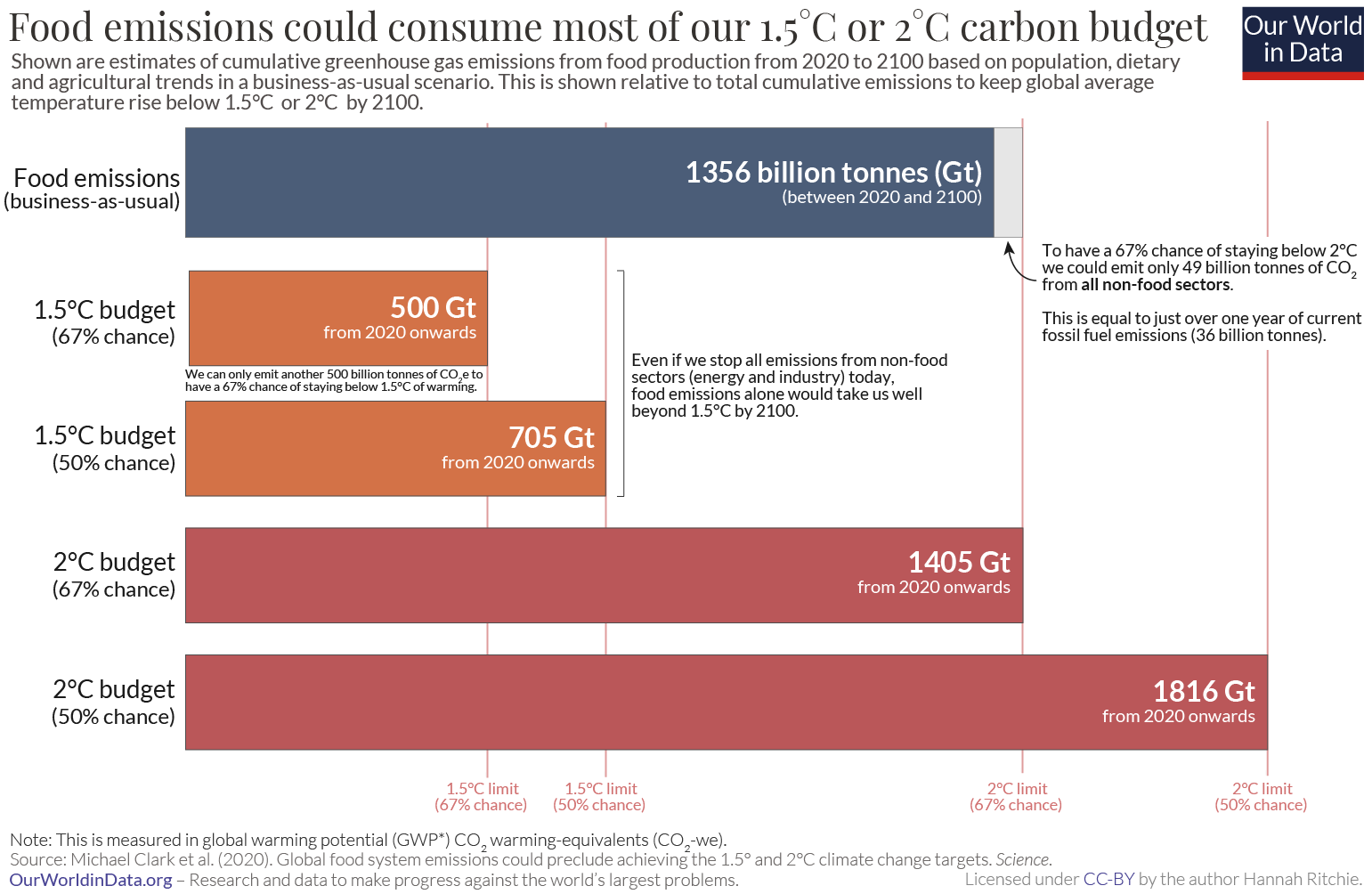
The climate case for restricting meat advertising is undeniable. Meat production, particularly beef and lamb, generates more emissions per kilogram than plant-based alternatives. If current food demand trends continue, livestock emissions from the food system alone could push global warming beyond 1.5°C, even if all other emissions stopped immediately.

There's a strong health argument too. Plant-based dietary patterns are linked to lower risks of cardiovascular disease, type 2 diabetes, and certain cancers. Diets heavy in red and processed meats are associated with increased risks of colorectal cancer and heart disease, making the shift to plant-based advertising a public health priority.
Then there's animal welfare. Billions of farmed animals endure intensive animal agriculture practices characterized by confinement, painful procedures without anaesthesia, and high stocking densities. Shifting toward plant-based diets directly reduces demand for factory farming systems, sparing animals from suffering on an industrial scale.
Amsterdam's policy won't solve these problems overnight, but it's a meaningful step. By making meat less visible in public spaces, the city is creating an environment where sustainable, compassionate food choices become the norm—not the exception.
Frequently asked questions
When does Amsterdam's meat advertising ban start?
The ban takes effect on May 1, 2026, covering all city-controlled public advertising spaces.
Will other cities follow Amsterdam's meat ad ban?
Yes, seven other Dutch cities are currently developing similar climate-conscious food policies, following Haarlem's 2022 implementation.
What is the goal of banning meat advertisements?The policy aims to reduce greenhouse gas emissions, improve public health outcomes, and support Amsterdam's target of 50% plant-based diets by 2050.

Independent fact-checking, funded by readers like you.
Misinformation is a growing threat to our health and planet. At foodfacts.org, we're dedicated to exposing the truth behind misleading food narratives. But we can't do it without your support.
Sources
- Carbon Brief (26 November 2019). Interactive: What is the climate impact of eating meat and dairy?
- Foodfacts.org (22 January 2025). A closer look at factory farming: why it matters and what you can do.
- Foodfacts.org (5 December 2024). Elon Musk claims animal agriculture makes no difference to global warming.
- Foodfacts.org (19 November 2025). Ultra-processed foods, plant-based meat and your health
- New Food Magazine (26 January 2026). Amsterdam set to become first capital city to ban meat advertising in public spaces
- Our World in Data (1 December 2022). Environmental Impacts of Food Production.
- Our World in Data (10 June 2021). Emissions from food alone could use up all of our budget for 1.5°C or 2°C – but we have a range of opportunities to avoid this
- ProVeg International (23 January 2026). Amsterdam to become first capital city to ban meat advertising.
- ProVeg International (9 April 2024). Meerderheid Nederlanders wil dat voedselbedrijven zich inzetten voor de eiwittransitie
- Stanford Woods Institute for the Environment (20 November 2025). Meat's Environmental Impact.



foodfacts.org is an independent non-profit fact-checking platform dedicated to exposing misinformation in the food industry. We provide transparent, science-based insights on nutrition, health, and environmental impacts, empowering consumers to make informed choices for a healthier society and planet.






.svg)


.svg)

