




How AI is changing the farm — and why it could be a double-edged sword for animals




AI: The future of farming?
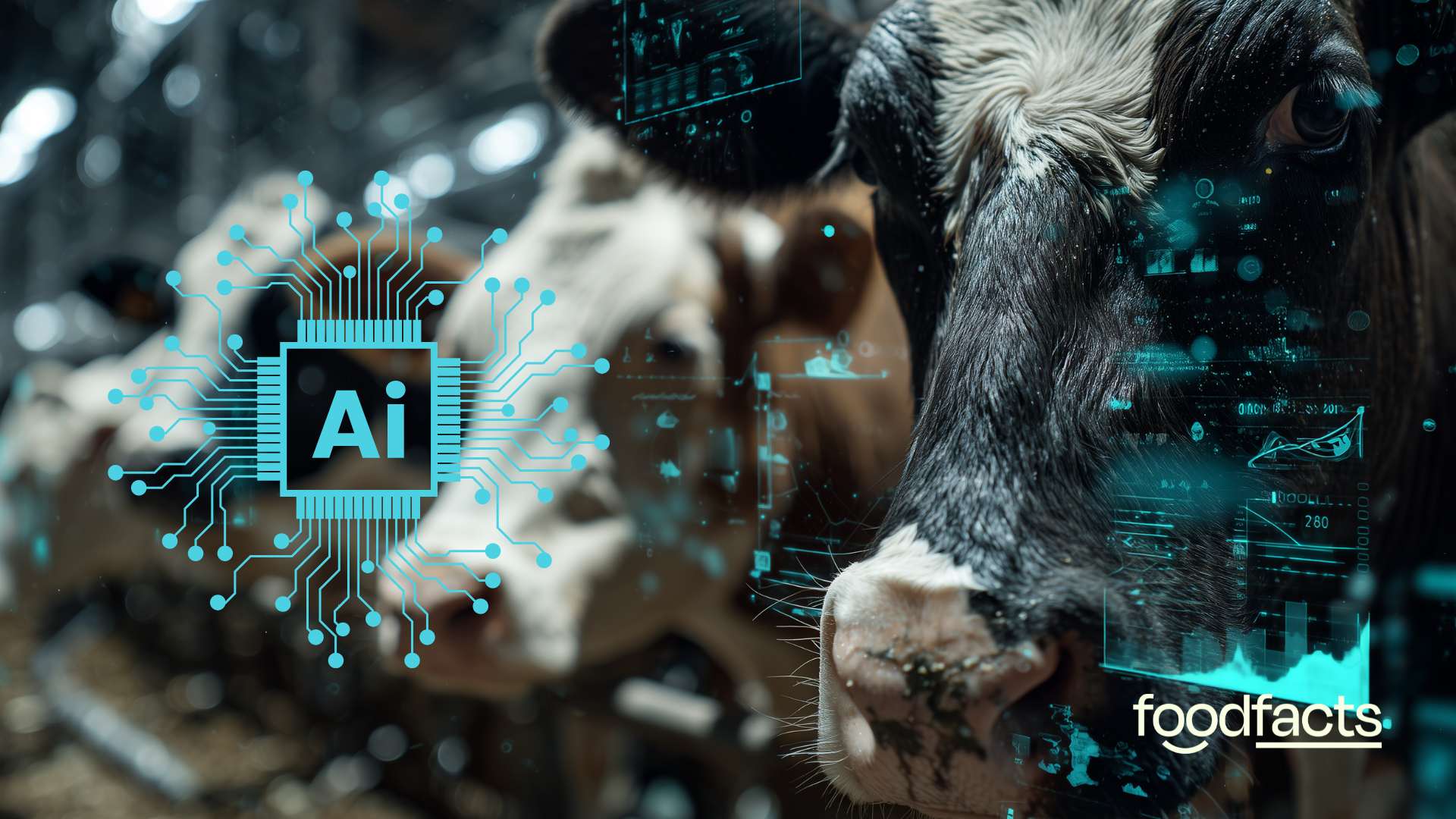
Imagine a future where animals on farms are continuously monitored by invisible, tireless guardians. Precision Livestock Farming (PLF) brings this vision into reality, using AI-powered sensors and algorithms to track animals' health and behavior, optimize feeding, and even predict disease outbreaks. From dairy cows to pigs and poultry, technology promises a revolution.
At farms like Connecterra's "Ida", sensors monitor cows' activity patterns, quickly identifying illness signs long before a human might notice. This AI-enabled detection means quicker intervention, potentially reducing suffering and improving animals' lives.
However, while this tech-driven utopia seems promising, there's another side to the story that deserves our attention.
Current reality: The hidden cruelty of industrial farming
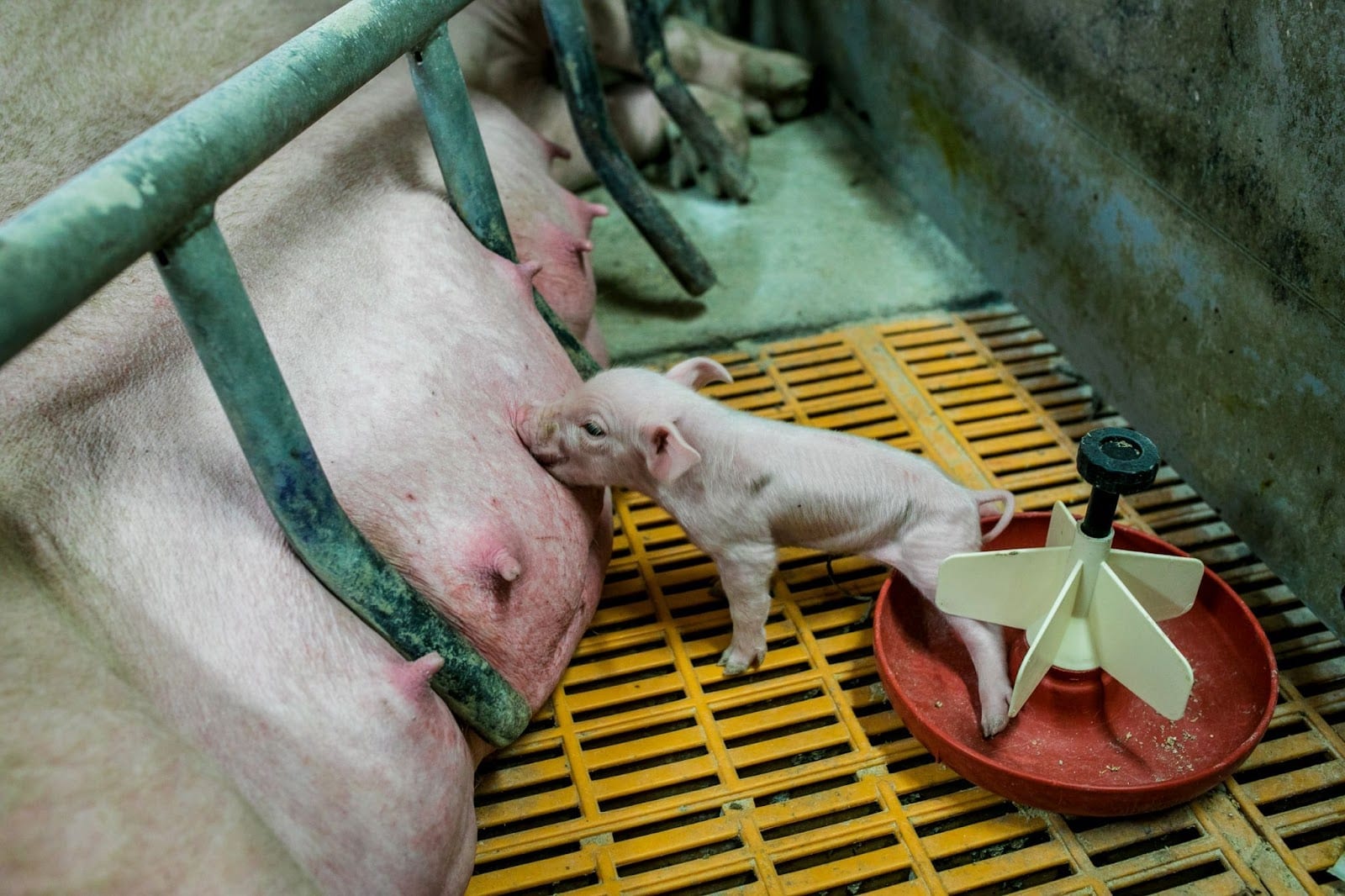
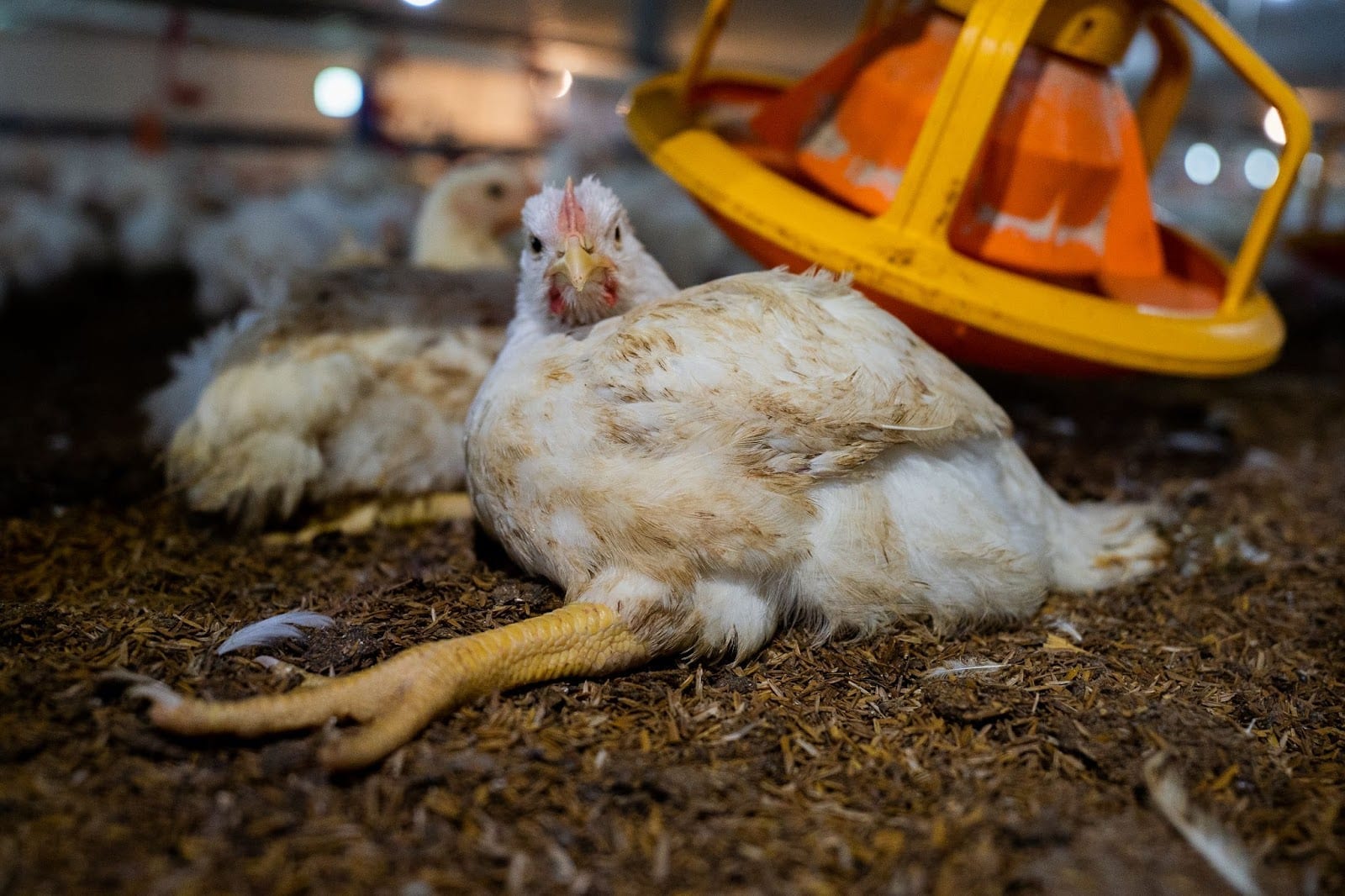
The reality facing farmed animals today is grim. Chickens are routinely crowded into barns by the thousands, living in their waste and unable to perform natural behaviors like perching or foraging. Pigs are commonly confined in tiny gestation crates, unable even to turn around for most of their lives. Dairy cows, repeatedly impregnated and separated from their calves shortly after birth, are pushed beyond their physical limits, causing chronic pain and distress. These standard practices reveal an alarming disregard for animal welfare, driven largely by efficiency and profit.
Machines watching over lives: predictive analytics and health
AI-based predictive analytics are turning farms into hyper-efficient systems. Companies like Dilepix provide farmers with real-time data, ensuring precise feeding and managing breeding more effectively. By preemptively addressing health issues, fewer animals fall sick, which reduces unnecessary suffering.
Yet, these advancements may also inadvertently legitimize and entrench high-density, intensive animal farming—systems which inherently compromise animal welfare.
Resource optimization: Environmental gains, but at what cost?
AI promises greater efficiency and reduced environmental impacts by precisely managing resources. For instance, Smartbow’s monitoring systems reduce feed waste significantly, conserving vital resources and cutting emissions. It’s undeniably impressive and seems like a win-win scenario.
However, what looks like efficiency might simply enable the expansion of factory farming—potentially escalating the number of animals farmed, thus magnifying rather than minimizing their suffering and environmental harm.
Ethical concerns: The darker side of automation
Automation powered by AI could push animal farming toward a future with minimal human oversight. Animals could increasingly become mere data points, managed through screens and automated processes rather than direct human care. This dystopian scenario isn't just theory; it's already unfolding.
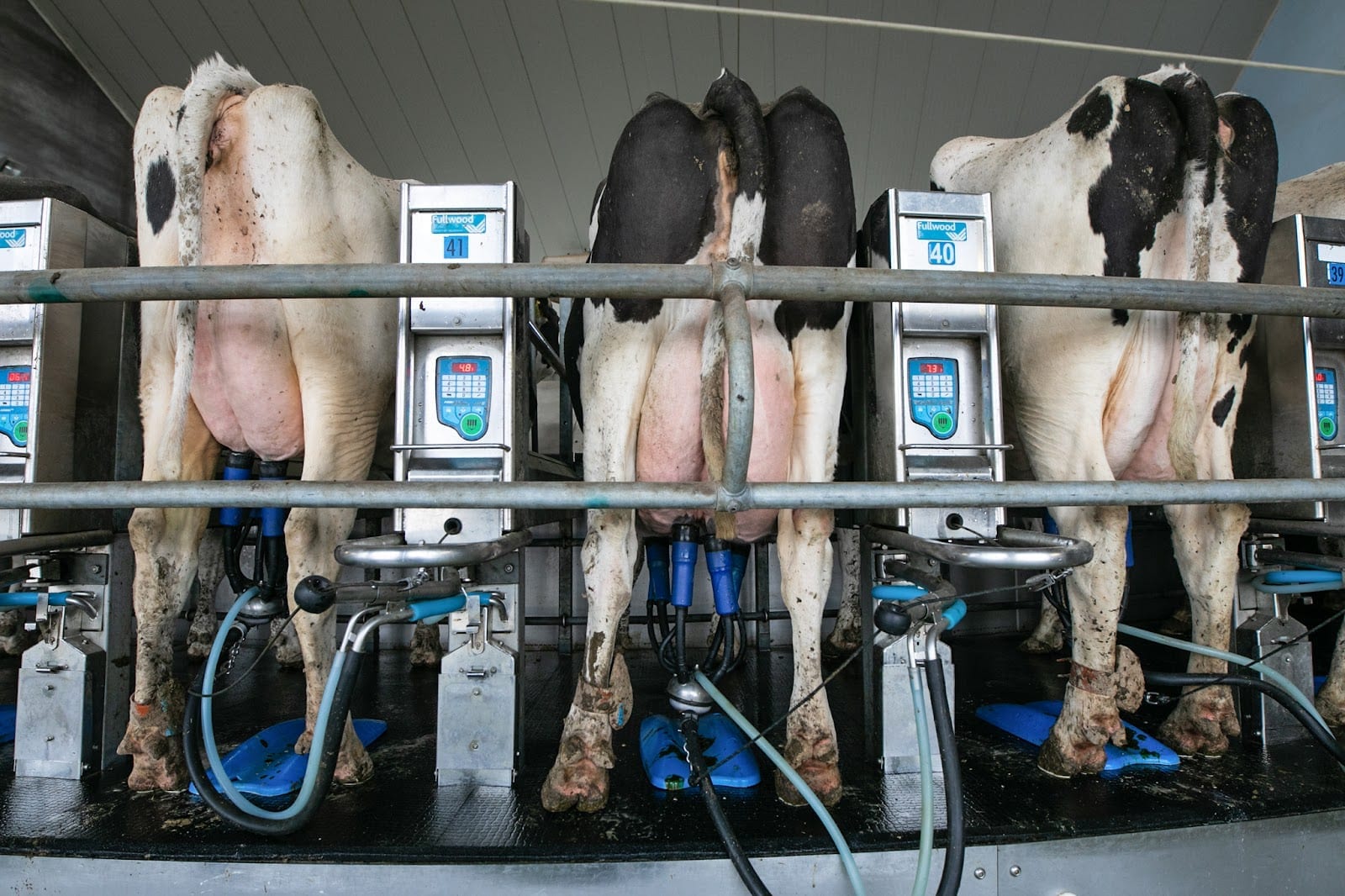
Consider automated milking systems by companies like Lely. While efficient, such technologies reduce direct human-animal interactions, neglecting animals' emotional and social needs, turning farms into clinical production lines.
The reinforcement of intensive practices
A troubling possibility is that AI will entrench intensive farming practices further. Technologies such as facial recognition for pigs and AI-powered egg-laying monitoring for hens enhance productivity but can inadvertently endorse cramped, stressful environments by making them economically viable. The technology itself isn't malevolent, yet it may inadvertently facilitate cruelty by optimizing systems inherently harmful to animal welfare.
Economic pressures and animal welfare
Farms often operate under significant economic pressure, and efficiency usually means profitability. Unfortunately, animals are frequently caught in this efficiency equation. AI systems designed primarily to enhance productivity might prioritize rapid growth and output at the cost of humane treatment. Profit-driven imperatives could dominate ethical considerations, sidelining welfare improvements in favor of economic gains.
Regulatory gaps and animal protection
Alarmingly, the rapid development of AI in farming has vastly outpaced regulatory frameworks, especially in regions where animal welfare laws are lax. Without stringent oversight, AI could amplify existing welfare issues, making farms more opaque and harder to regulate.
An alternative is possible
As an advocate for animal liberation, my greatest concern is that AI, despite its potential benefits, could inadvertently solidify our reliance on industrialized animal agriculture. Yes, precision farming may reduce certain types of suffering. Yet, the fundamental cruelty inherent in intensive animal farming—the confinement, the lack of natural behaviors, and the massive scale—is untouched, even potentially exacerbated by this technology.
Additionally, I firmly believe there is no ethical justification for farming animals at all, with or without technological improvements. There is simply no humane way to commodify living beings who experience pain, fear, and joy. The use of AI might make industrial-scale animal farming economically sustainable, embedding a fundamentally unethical practice deeper into society. Rather than perpetuating this cycle, we should invest in cruelty-free, sustainable alternatives.
We can thrive on nutritious, delicious plant-based diets at every life stage. With increasing innovations in alternative proteins, from plant-based meat substitutes to cultured meats, we must redirect technological advancements toward genuinely compassionate, environmentally-friendly solutions.
Towards a compassionate future
The rise of AI in farming highlights a critical juncture: technology can either perpetuate animal suffering or help us transition towards more humane and sustainable practices. By choosing more plant-forward diets and exploring sustainable alternatives, we can ensure innovation serves compassion, not cruelty.
Reducing meat consumption isn't just achievable, it’s enjoyable and rewarding.

Independent fact-checking, funded by readers like you.
Misinformation is a growing threat to our health and planet. At foodfacts.org, we're dedicated to exposing the truth behind misleading food narratives. But we can't do it without your support.
Sources + Further Reading
- Connecterra (Ida): https://www.noemamag.com/what-ai-means-for-animals/
- Dilepix (Precision Livestock Monitoring): https://www.dilepix.com/en/animal-welfare
- Smartbow (Monitoring Systems): https://doi.org/10.3390/ani13132096
- Lely (Automated Milking Systems): https://bigthink.com/series/great-question/ai-animals-ethics/
- Ethical concerns around automation and animal welfare: https://link.springer.com/article/10.1007/s43681-022-00187-z
- General ethical impacts and risks of AI in agriculture: https://aeon.co/essays/how-to-reduce-the-ethical-dangers-of-ai-assisted-farming
- Overview of AI and animal welfare considerations: https://forum.effectivealtruism.org/posts/ZNcdt7eYWW7YXALvx/what-ai-could-mean-for-animals
- Photos: https://stock.weanimals.org/


foodfacts.org is an independent non-profit fact-checking platform dedicated to exposing misinformation in the food industry. We provide transparent, science-based insights on nutrition, health, and environmental impacts, empowering consumers to make informed choices for a healthier society and planet.






.svg)


.svg)

