
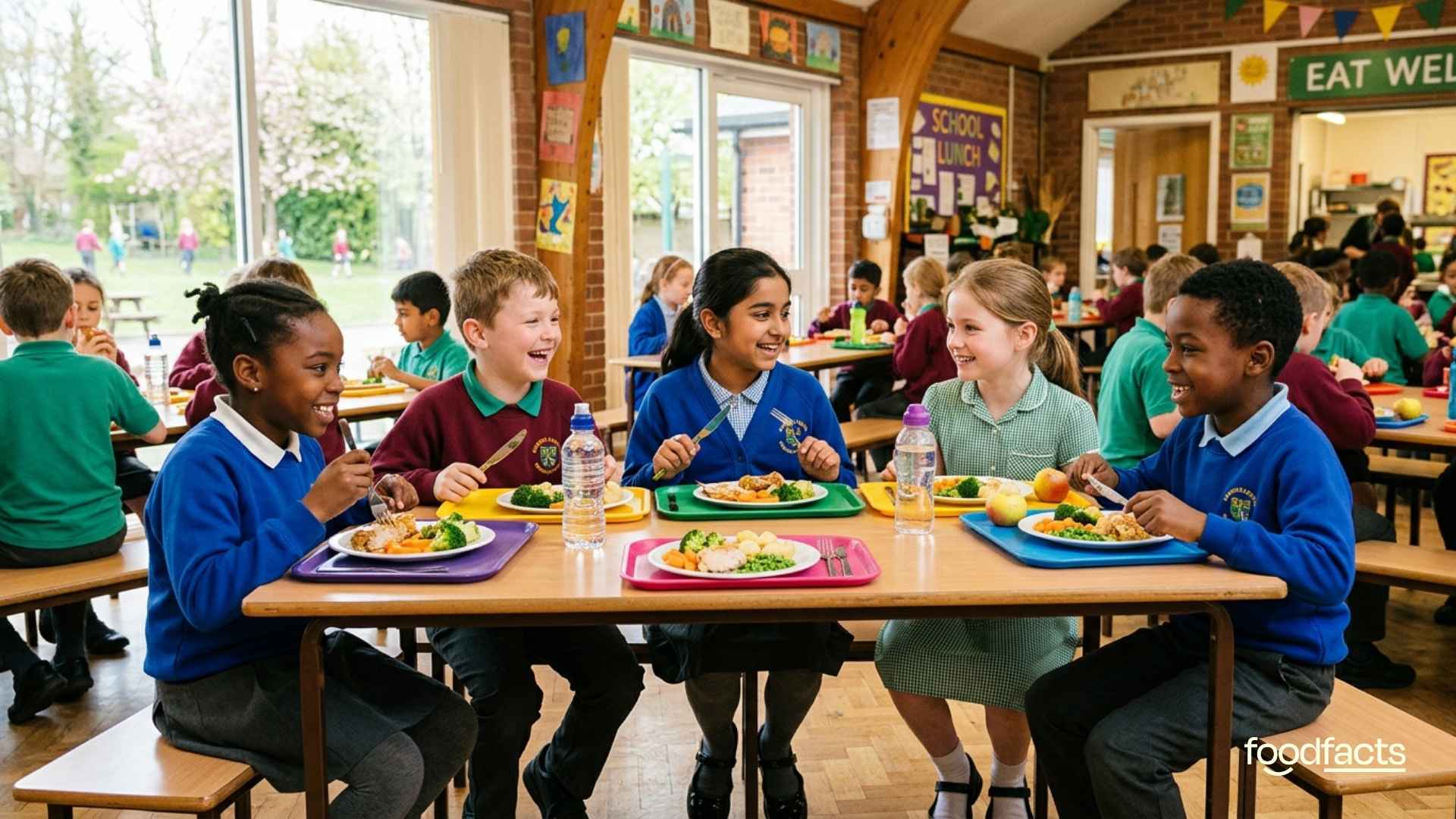




England's new school food standards 2026: what's changing




The UK government has unveiled plans to update England's school food standards for the first time in over a decade. The proposals are now open for a 9-week consultation, with final details expected in September 2026 and rollout starting in September 2027. Schools affected include all academies, maintained and free schools.
What are England's new school food standards?
England's new school food standards are proposed rules for school meals, snacks, drinks and breakfast clubs. The 2026 consultation would restrict deep-fried foods, high-sugar items and some processed options, while increasing fruit, vegetables, wholegrains, fibre and pulses across the school day.
Quick facts
- The consultation opened in April 2026.
- The consultation closes on 12 June 2026.
- Final details are expected in September 2026.
- Rollout is expected from September 2027.
- The rules apply to school food across the school day, including meals, snacks, drinks and breakfast clubs.
- Key proposed changes include restrictions on deep-fried foods, high-sugar foods and some processed foods, plus more fruit, vegetables, wholegrains, fibre and pulses.
What's changing under the proposed rules?
Some of the most significant proposed changes include a ban on deep-fried foods and on high-sugar foods such as ice cream, waffles and sugary drinks. Other popular foods, including cake, chips, pizza and sausage rolls, would be limited in availability.
The new guidance places renewed emphasis on whole foods and fibre consumption, with the provision of fruit, vegetables, pulses and wholegrains taking centre stage. Schools would be expected to offer more of these items, with salad or vegetables required in every main meal and pulses offered as a main protein source. All bread should contain a minimum of 3g of fibre per 100g, and at least 50% of pasta and rice should be brown or wholewheat.
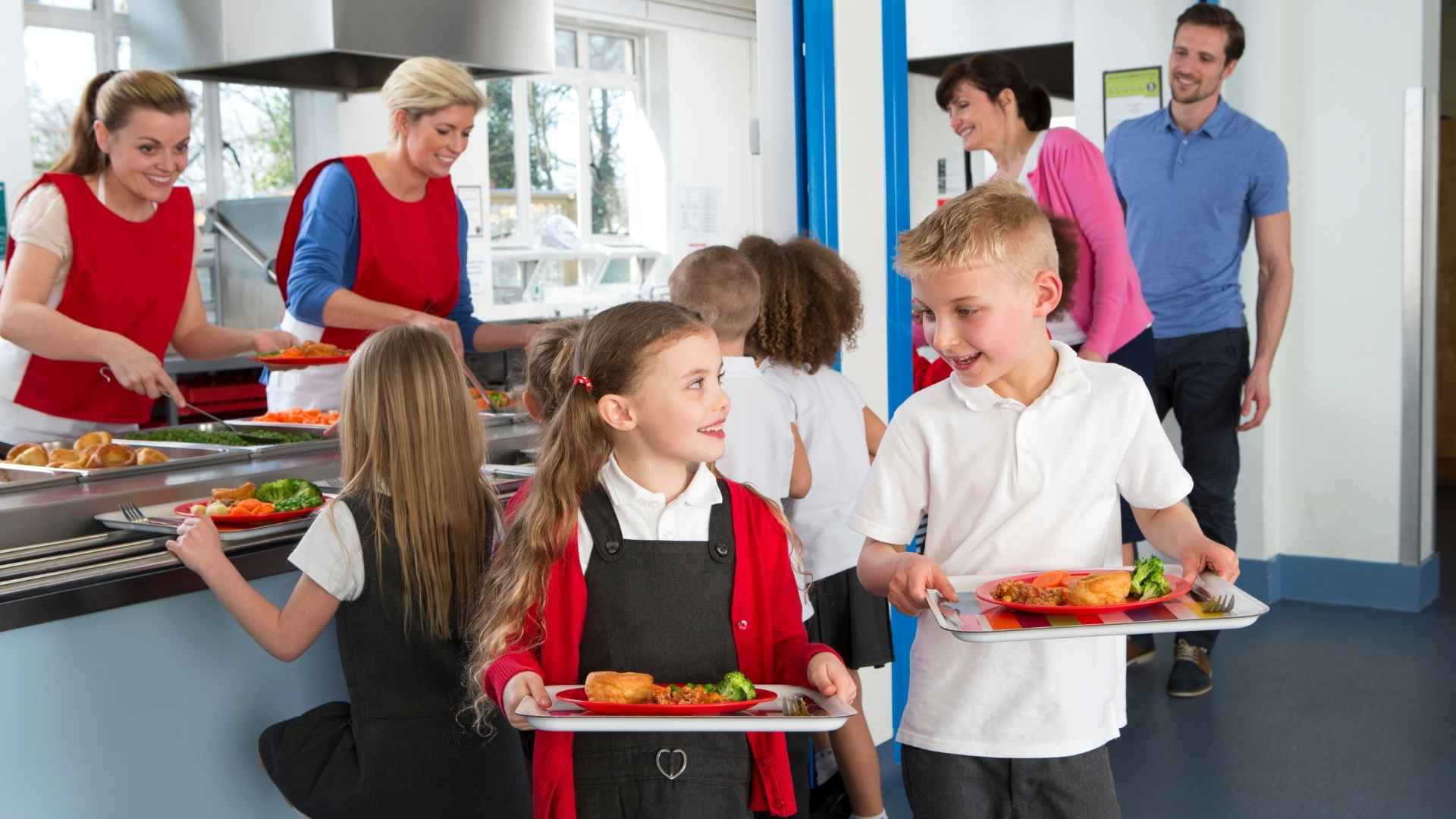
Sample menus already published include burritos, cottage pie with root-veg mash, and jerk chicken with rice, peas and roasted chickpeas.
To reduce sugar consumption, desserts would face stricter requirements such as being made with at least 50% fruit or vegetables. The proposals would also tighten school drink standards by removing fruit juice and "combination drinks" (juice-based or squash-style), limiting what's available to water, low-fat milk, and certain unsweetened or no-added-sugar options in primary schools. Secondary schools would allow a broader range until 2028, then tighten to mostly water and no-added-sugar drinks. Notably, the proposals also seek to restrict non-sugar sweeteners, signalling a shift away from simply replacing sugar with artificial alternatives.
"Simple changes, like prioritising water and milk over fruit juice, may seem small, but they can have a meaningful impact when applied at scale across the school system." — Rhiannon Lambert, Registered Nutritionist and author
Other proposals include reducing starchy fried foods such as chips and wedges.
England school food standards: current v proposed
Food categoryCurrent standardProposed standardDeep-fried foodsLimited frequencyBannedDesserts and sweet baked goodsAllowed weeklyRestricted; must contain at least 50% fruit or vegetablesDrinksIncludes fruit juice and combination drinksMostly water, low-fat milk and unsweetened optionsBreakfast clubsNo specific standardsDedicated standalone breakfast standardsFibre and wholegrainsMinimal requirementBread to contain 3g fibre per 100g; at least 50% wholegrain pasta and ricePulsesOptionalMust be offered as a main protein sourceVegetables and saladRecommendedRequired in every main mealProcessed meat, pizza and sausage rollsAllowedLimited availabilityAccountability and enforcementNo national monitoring; academies often unboundNational monitoring proposed; academies and free schools coveredSecondary school phase-insNot applicableBroader range until 2028, then tighter rules thereafter
When will the new school food standards start?
The proposals are open for a 9-week consultation that closes on 12 June 2026. Final details are expected in September 2026, with rollout from September 2027. The rules will apply across academies, maintained schools and free schools, closing a long-standing gap where many schools were not legally bound by the 2014 standards.
What foods will be banned or restricted?
Under the proposals:
- Deep-fried foods would be banned
- High-sugar foods such as ice cream, waffles and sugary drinks would be restricted
- Cake, chips, pizza and sausage rolls would have limited availability
- Fruit juice and "combination drinks" would be removed from primary schools
- Non-sugar sweeteners would also be restricted, reflecting a wider shift away from sweet flavours
- Desserts would need to contain at least 50% fruit or vegetables
How will breakfast clubs change?
For the first time, the proposals include a dedicated standalone set of breakfast standards. Breakfast and cognition research shows that regular breakfast consumption is linked to improved memory, attention and cognitive performance in children, making the inclusion of formal breakfast standards a meaningful step.
The breakfast standards would also help close gaps in the previous framework, where breakfast provision was inconsistent and often unmonitored. Combined with the proposed accountability and enforcement requirements, this represents one of the most significant structural changes in the consultation.
What could go wrong?
While the proposals signal a clear shift in direction, policy is only as strong as its implementation. The Guardian's report on the Brighton pilot revealed a 15% drop in pupils taking up school meals due to rejection of the new healthier food. This unintended consequence resulted in students bringing in packed lunches that were often less nutritious than the meals they replaced.
This raises important questions around acceptability and behaviour change. It will be vital to involve and engage both students and parents before and during rollout, with a strong emphasis on education. Without this — and without adequate awareness-building, funding and oversight — even the most ambitious standards risk falling short.
"This is a really positive and long-overdue step forward for children's nutrition in the UK. For years, we've been calling for stronger, clearer guidance on what good school food should look like, and this begins to address that." — Rhiannon Lambert, Registered Nutritionist and author
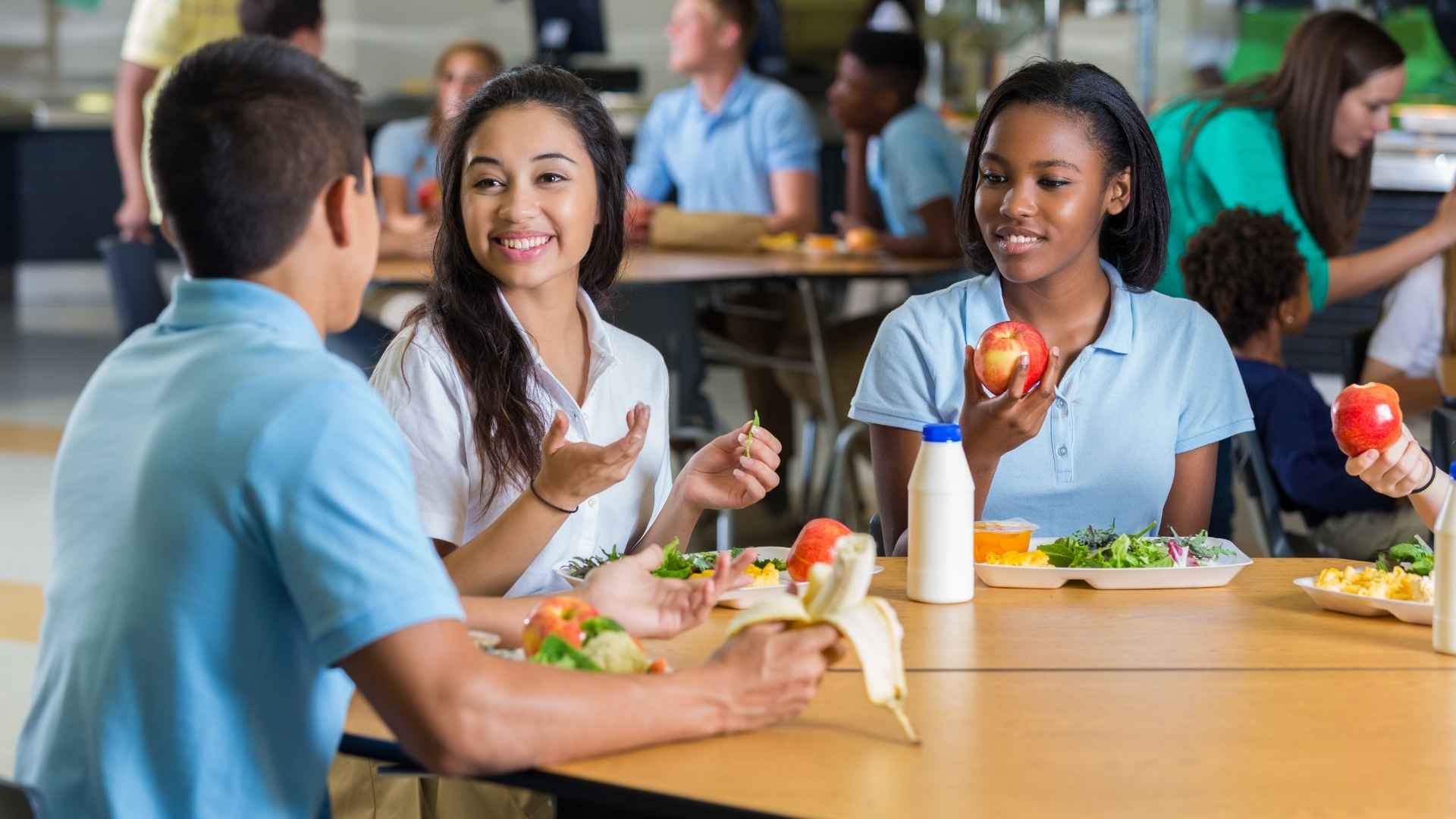
Pressure on the government has further increased due to growing health crises such as obesity and Type 2 diabetes. With roughly 8 million pupils in England's state schools, the potential impact of these proposed changes is significant (Department for Education pupil statistics). One in three children leaves primary school overweight or obese, and for children aged 5 to 9 the leading cause of hospital admissions is tooth decay related to high-sugar diets (government communication on school sugar).
Against this backdrop, and amid growing scrutiny of ultra-processed foods in the wider food and child health debate, decisive action is needed. These proposed standards are an important step in the right direction.
Organisations such as School Food Matters, Chefs in Schools, The Food Foundation and Bite Back, alongside figures like Jamie Oliver and Henry Dimbleby, have long called for improved standards. A reported 74% of parents have at least one concern about their child's nutrition (government communication on school sugar). Without food and nutrition education to accompany the rules, however, the changes risk being superficial. Teaching children how to understand, prepare and value food can shape habits far beyond the classroom.
What parents need to know
- School meals would change noticeably: more fruit, vegetables, pulses and wholegrains, with far less deep-fried and high-sugar food.
- Breakfast clubs would have formal standards for the first time.
- Drinks options would tighten: juice and sugary "combination drinks" would be phased out, with water and milk taking their place.
- Packed lunches deserve a fresh look: as the Brighton pilot showed, packed lunches can sometimes be less nutritious than school meals. Compare your child's options.
- School accountability would increase: previously many academies and free schools were not legally bound by the standards. The new rules would close that gap.
- Parents have a voice: the consultation is open until 12 June 2026 and welcomes responses from parents.
How to respond to the consultation
The Department for Education welcomes responses from parents, teachers, school leaders, food professionals, public health advocates and the wider public. The consultation closes on 12 June 2026, and feedback at this stage is the most direct way to influence the final standards.
Respond to the school food standards consultation
For more on how we evaluate evidence and policy claims, see our fact-checking policies.

Independent fact-checking, funded by readers like you.
Misinformation is a growing threat to our health and planet. At foodfacts.org, we're dedicated to exposing the truth behind misleading food narratives. But we can't do it without your support.
Resources:
- Department for Education (2026). School Food Standards: updating the legislative framework
- Adolphus, K. et al., (2016). The Effects of Breakfast and Breakfast Composition on Cognition in Children and Adolescents: A Systematic Review. Adv Nutr.
- Department for Education (2026). Government scraps high-sugar food from school menus
- Department for Education, (2024.) Schools, pupils and their characteristics
- Weale, Sally (2026), Pupils in England may reject new healthier school lunches, pilot suggests. The Guardian



foodfacts.org is an independent non-profit fact-checking platform dedicated to exposing misinformation in the food industry. We provide transparent, science-based insights on nutrition, health, and environmental impacts, empowering consumers to make informed choices for a healthier society and planet.






.svg)


.svg)

